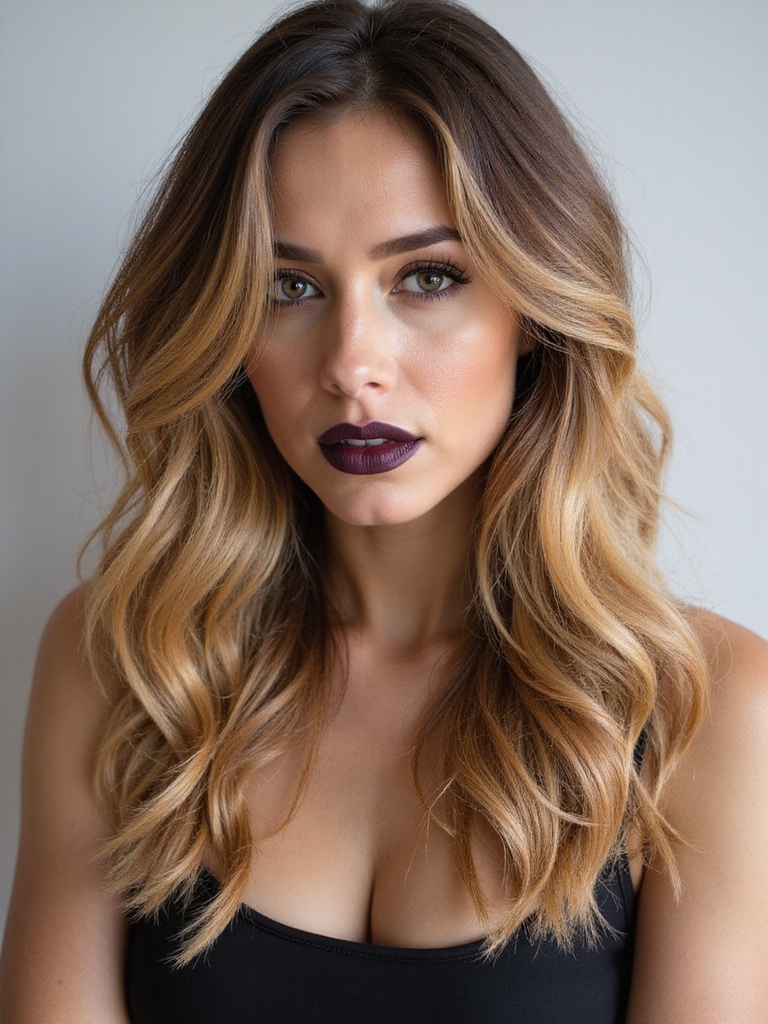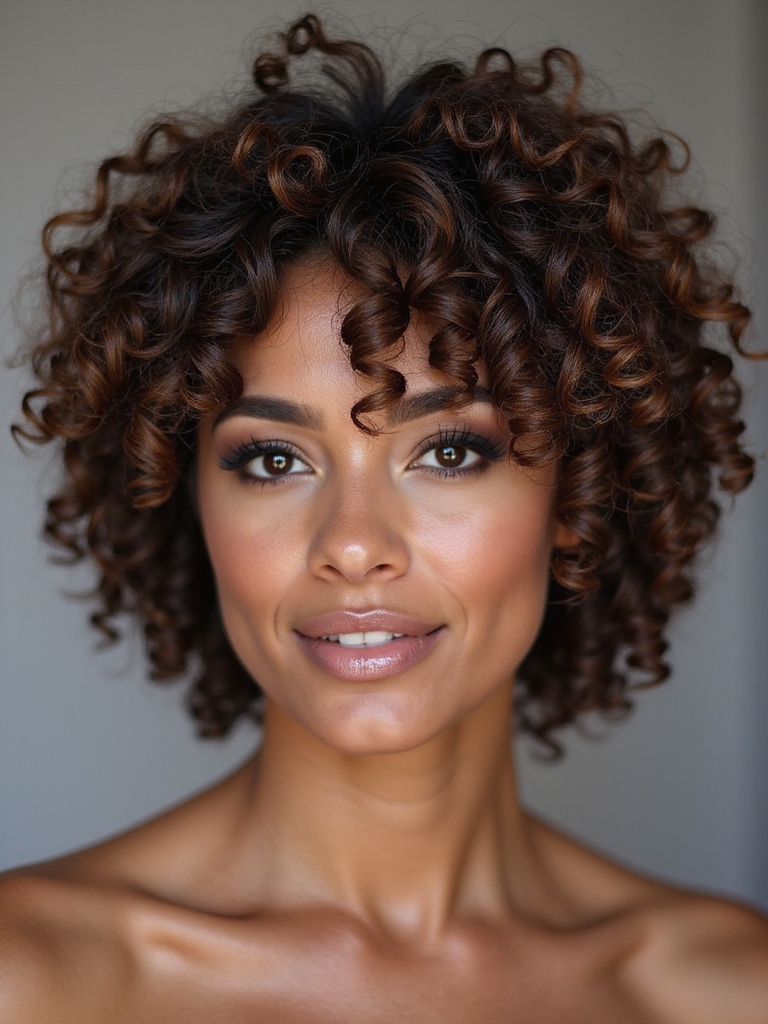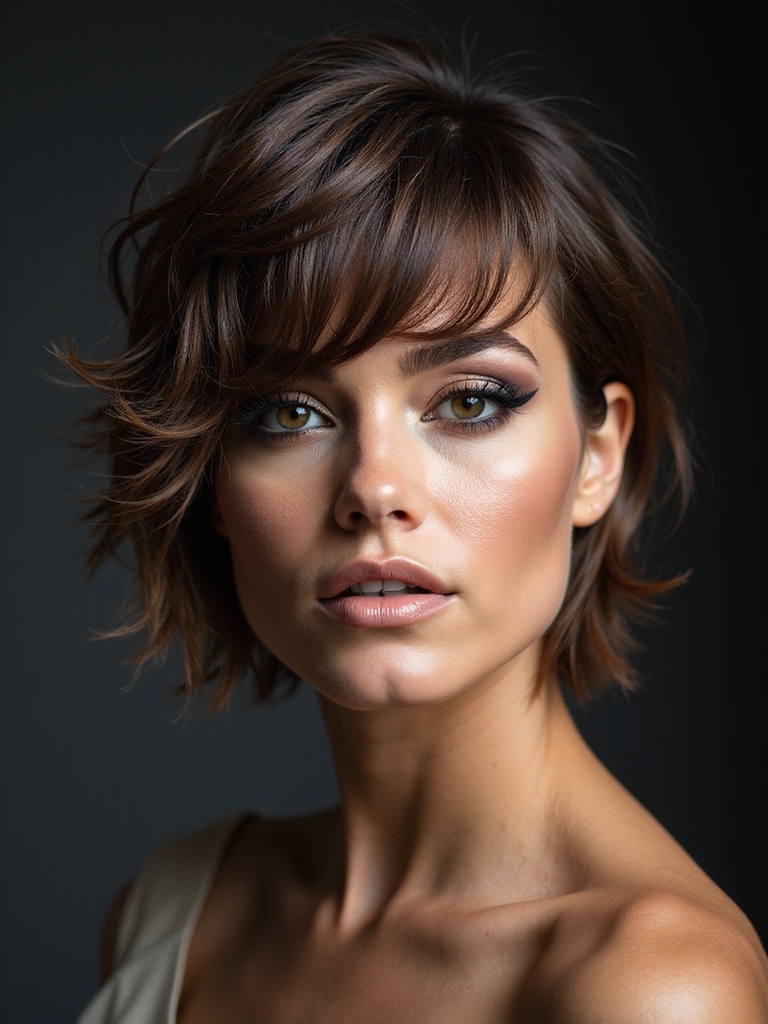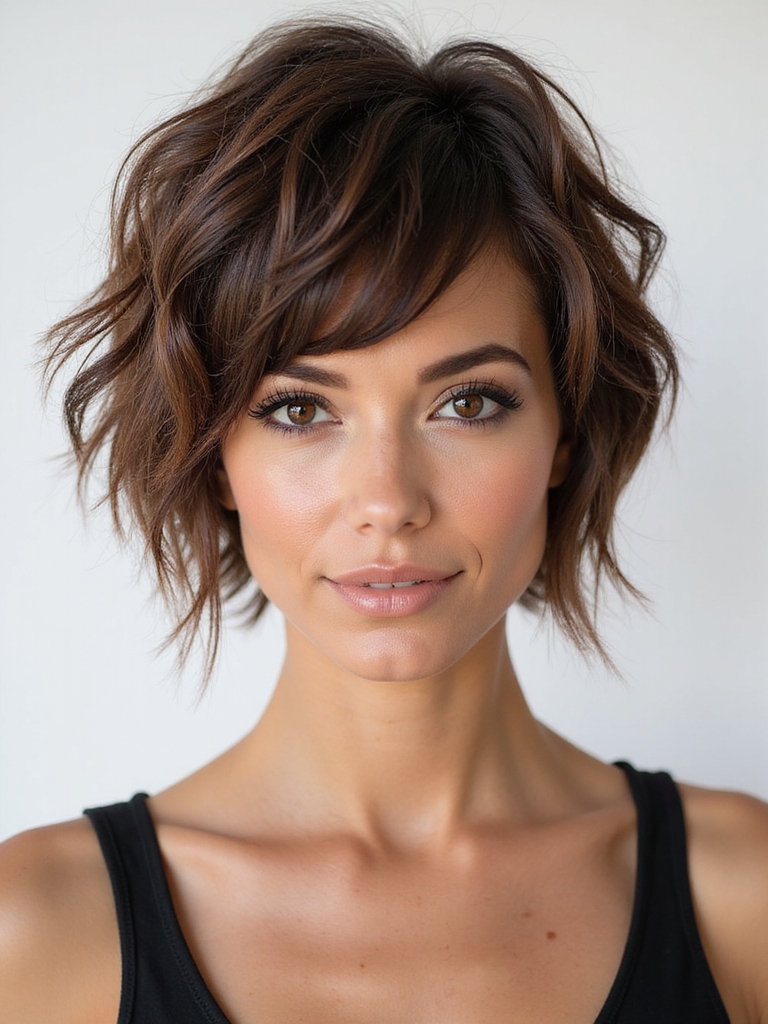
I’ve noticed something remarkable: the shag haircut works for everyone. If you’re managing fine, straight strands or thick, curly textures, there’s a version that’ll suit you perfectly.
The beauty? You don’t need to spend hours styling it. So what’s the secret behind this versatile cut, and how can you find your ideal shag?
What Makes a Shag Haircut Different From Other Layered Styles
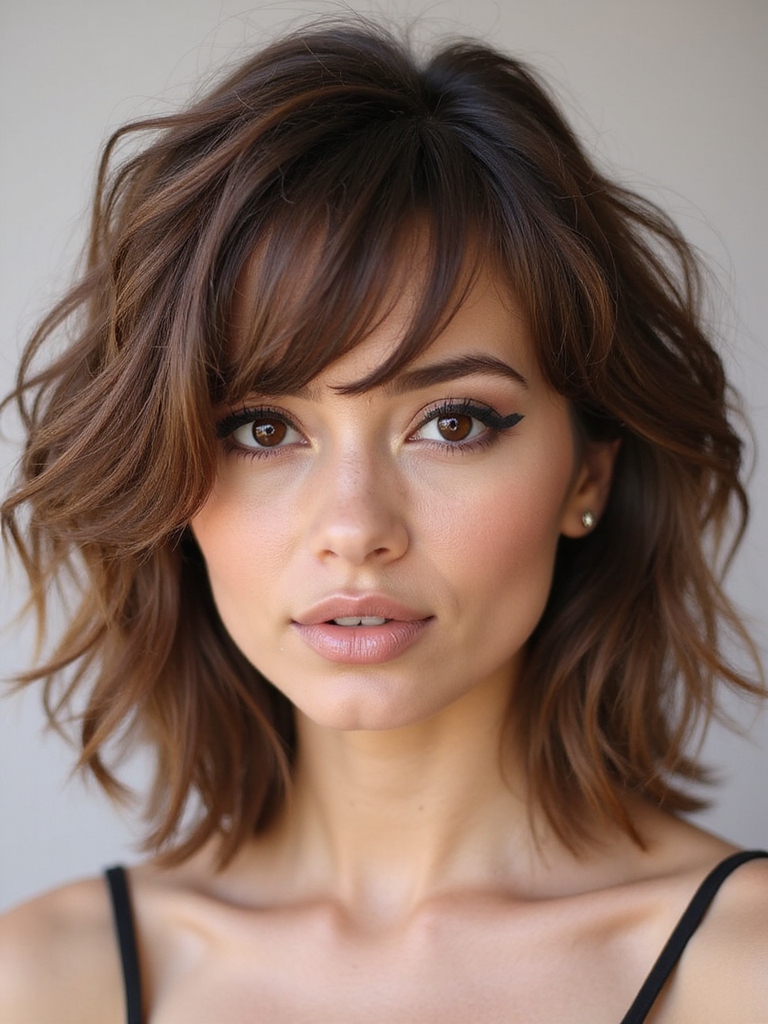
When you’re browsing through hairstyle galleries, you’ll notice that shags break the mold compared to traditional layered cuts.
I’ve discovered that shags feature choppy, textured layers with movement at the ends, while standard layers blend smoothly.
The key difference? Shags adopt intentional texture and volume, creating that effortless, tousled look that’s uniquely yours.
Modern shags often emphasize textured layers to enhance natural movement and low-maintenance styling.
The Classic Shag: Understanding the Timeless Cut
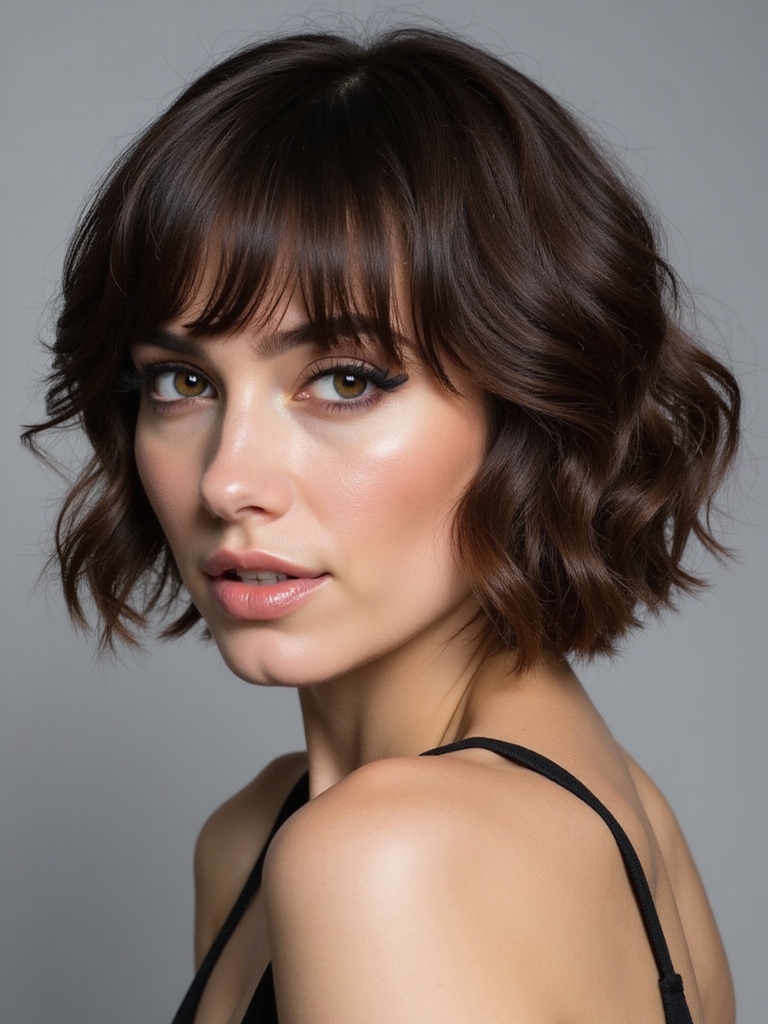
I’m excited to walk you through the classic shag‘s remarkable journey—from its 1970s rock-and-roll roots to today’s refined interpretations—so you’ll understand why this cut remains endlessly versatile.
You’ll discover the structural elements that define a true shag: those signature choppy layers, texture, and movement that work across different hair types and face shapes.
This revival draws on the original 70s Shag aesthetics while adapting to modern styling techniques and products.
History and Evolution Timeline
As you flip through fashion magazines from the 1970s, you’ll notice something that might surprise you: the shag wasn’t just a hairstyle—it was a cultural revolution.
Born from rock and roll rebellion, it evolved through the ’80s glam era, then resurfaced in the 2000s with modern twists.
Today’s shag blends that fearless spirit with contemporary technique, proving timeless styles never truly fade.
Modern stylists emphasize texture and movement to keep the cut feeling fresh and adaptable.
Key Characteristics and Structure
Since the shag’s defining feature is its seemingly effortless layering, understanding how these layers work together is essential to rocking the style yourself.
I’ve found that the magic lies in strategic texture—shorter layers on top create volume and movement, while longer underneath pieces maintain length. This structure lets you welcome your natural texture while looking intentionally undone.
You’re not just getting a haircut; you’re gaining confidence. Modern medium-length shags often emphasize face-framing layers to enhance shape and movement, making them versatile for different hair types and lifestyles medium-length shag.
Face Shapes and Styling Options
The beauty of the classic shag is that it’s incredibly adaptable to your unique face shape, which means you don’t have to choose between the style you love and what actually flatters you.
I’ve found that longer layers work wonderfully for round faces, while shorter, textured layers suit angular features. You’re truly empowered to customize this cut to enhance your best features. The shag cut is known for its textured layers that create movement and effortless volume.
Shaggy Styles for Thick and Curly Hair
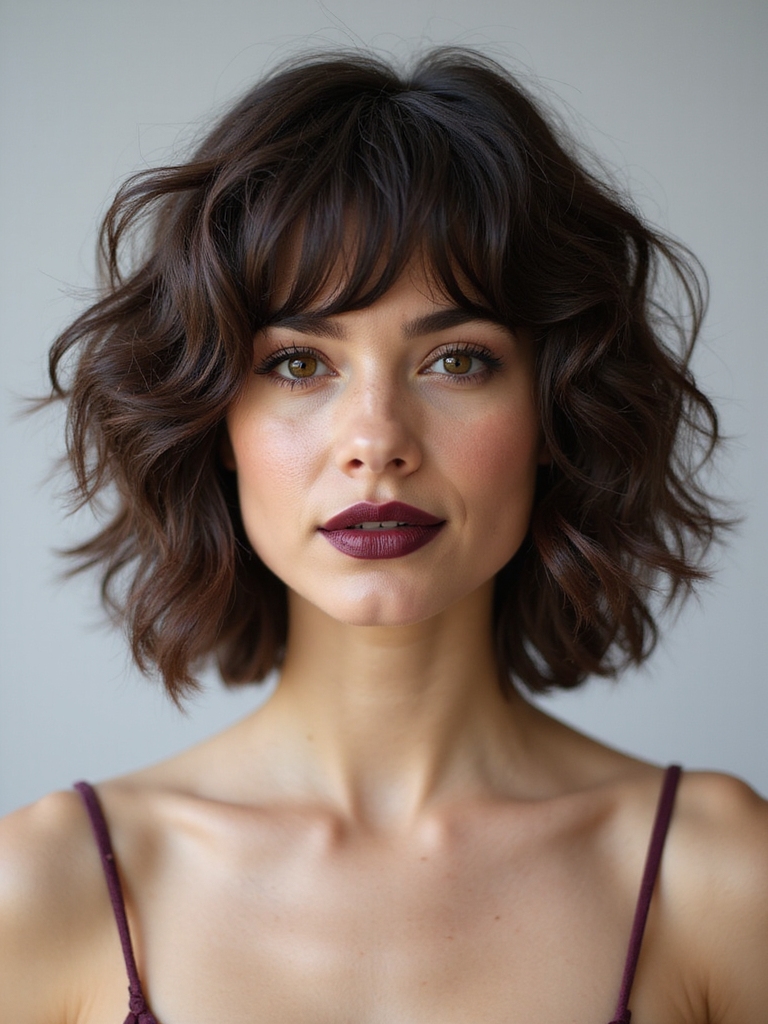
I’ve found that shaggy cuts work beautifully with thick and curly hair when you understand how to control texture and movement so your layers don’t turn into frizz.
You’ll want strategic layering that defines volume rather than fights against it, which means working with your hair’s natural patterns instead of against them.
The right styling products and a solid maintenance routine—think regular trims and proper hydration—are what’ll keep your shag looking intentional and polished rather than unkempt.
For curly shags, consider a cut that emphasizes texture and movement to enhance natural patterning and reduce bulk.
Texture and Movement Control
When you’ve got thick or curly hair, a shaggy cut becomes your secret weapon for managing texture while welcoming your natural movement.
I’ve found that layers work with your curls rather than against them, reducing bulk where you need it most.
You’ll notice how strategic cutting enhances your hair’s inherent bounce, making styling effortless and letting your authentic texture shine through beautifully.
A well-executed shag especially celebrates curl pattern to boost natural definition and ease of styling.
Layering for Volume Definition
By strategically placing layers throughout your hair, you’ll create dimension that actually works *with* your natural volume rather than fighting it.
I’ve found that shorter layers on top give you that effortless texture you’re after, while longer pieces underneath prevent bulk.
Ask your stylist for choppy, disconnected layers—they’ll enhance your curls’ natural movement and keep everything looking intentionally undone.
Long shaggy layers also help create a tousled, chic look with effortless movement and added texture.
Styling Products and Maintenance
Once you’ve got those choppy layers locked in, the real magic happens in how you care for them day to day. Here’s what I’ve found works:
- Lightweight mousses enhance texture without weighing curls down
- Sea salt sprays boost natural wave definition
- Leave-in conditioners tame frizz and define curls
- Diffuser attachments dry hair while preserving shape
You’ll notice your shag transforms into effortless waves with consistency. Embracing a cut designed for curly shaggy hair helps maintain both texture and shape.
Shags for Fine and Straight Hair Types
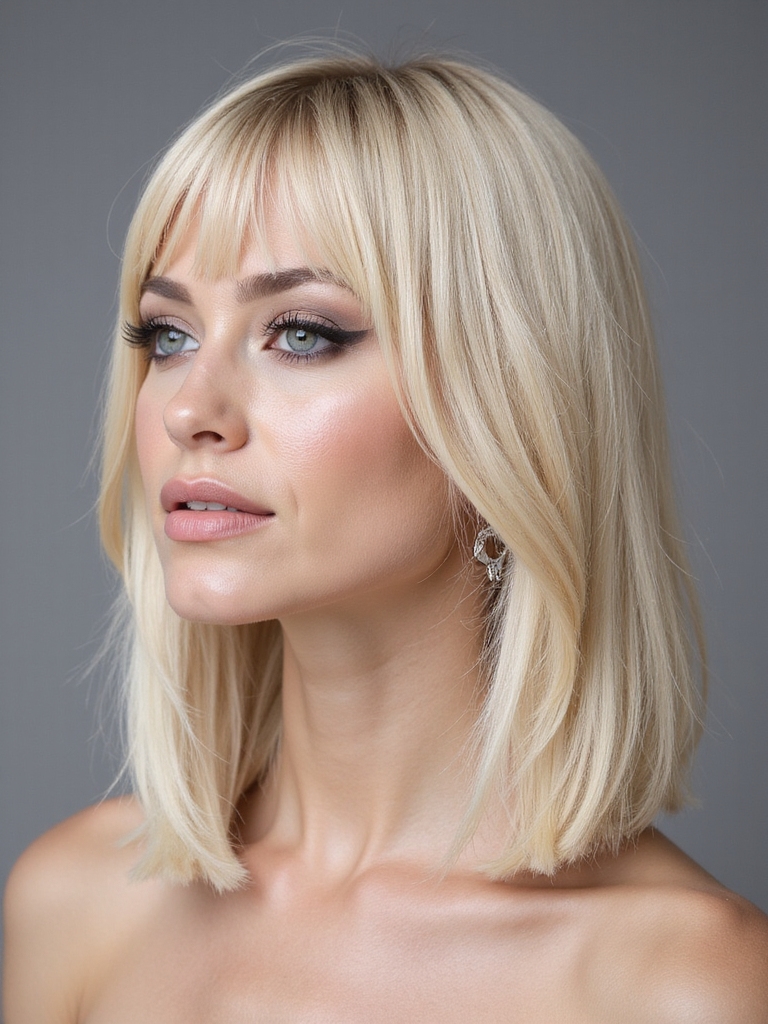
Fine, straight hair can be tricky to style—I know because I’ve struggled with it myself.
You’ll want layers that create movement without weighing you down.
I’d recommend asking your stylist for choppy, shorter layers throughout.
Use lightweight products and texturizing sprays to add dimension.
Blow-dry with your head tilted sideways for natural volume that’ll make your shag truly shine.
The effortless shag bob brings a chic, tousled look with shaggy bob layers that enhance texture and movement.
Modern Variations of the Traditional Shag
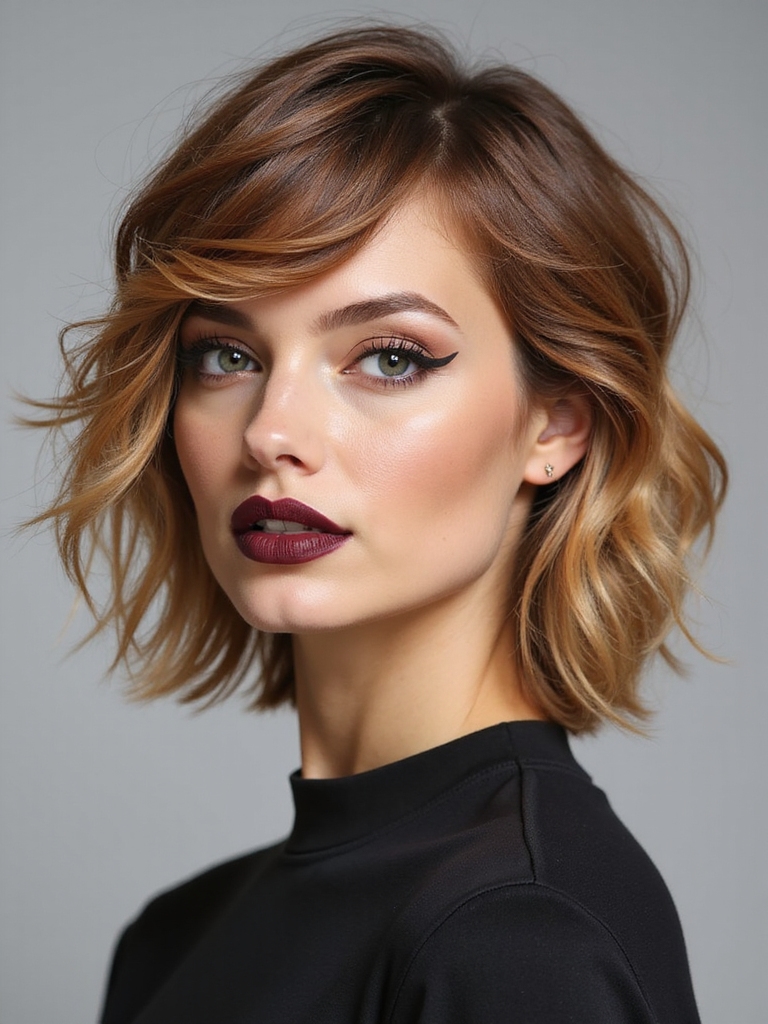
I’ve watched the shag evolve from its ’70s roots into something that feels fresh and relevant today, and I’m excited to show you how modern techniques are transforming this classic cut.
If you’re drawn to layered styles that create movement and texture or contemporary approaches that refine the shag’s signature choppy aesthetic, you’ll find options that work for your hair type.
Let’s explore the cuts and methods that are bringing the shag back—better than ever.
Contemporary Shag Cut Techniques
While the classic shag remains timeless, today’s stylists are reimagining this iconic cut with fresh approaches that better suit modern lifestyles and hair textures.
I’m seeing exciting innovations:
- Textured layering with precision point-cutting
- Face-framing techniques personalized to your features
- Blunt ends mixed with choppy layers
- Customized length variations for volume control
These methods give you versatility and movement that actually works with your natural hair.
Layered Modern Shag Styles
The modern shag‘s real magic happens when we layer strategically to create movement that doesn’t just look effortless—it actually feels that way.
I’m talking about texturized lengths that work with your natural hair, not against it. You’ll find shorter layers around your face that frame beautifully, while longer pieces underneath give you volume without bulk.
This approach transforms the classic shag into something you can actually maintain.
The Wolf Cut: Where Shag Meets Mullet
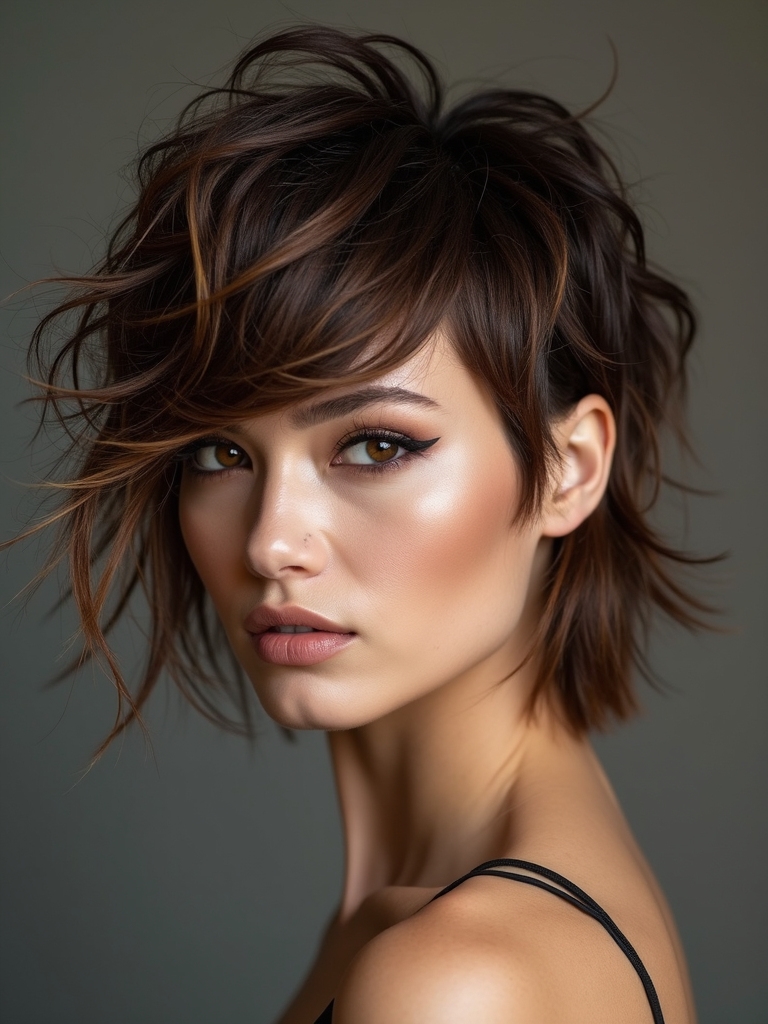
Ever wonder what’d happen if a shag and mullet had a stylish love child? You’d get the wolf cut—I’m obsessed with this bold hybrid. Here’s why it works:
- Voluminous layers on top create dimension
- Shorter sides frame your face beautifully
- Longer back adds edgy attitude
- Flatters most face shapes and textures
This cut lets you express yourself fearlessly.
Choppy Layers and Movement: Creating Dimension
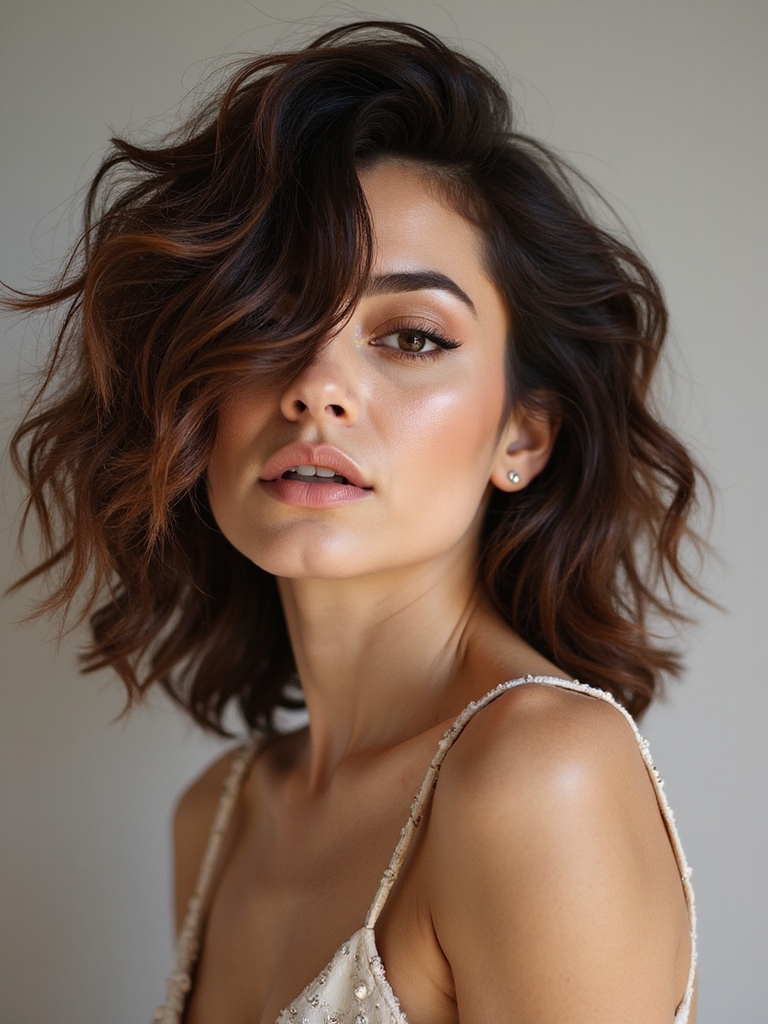
If you’re looking to transform flat, lifeless hair into something with serious movement and personality, choppy layers are your secret weapon.
I’ve found they work magic on every texture—they break up weight, encourage natural movement, and give you that effortless, lived-in vibe.
The key is strategic placement that complements your face shape and hair type.
Styling Your Shag for Everyday Wear
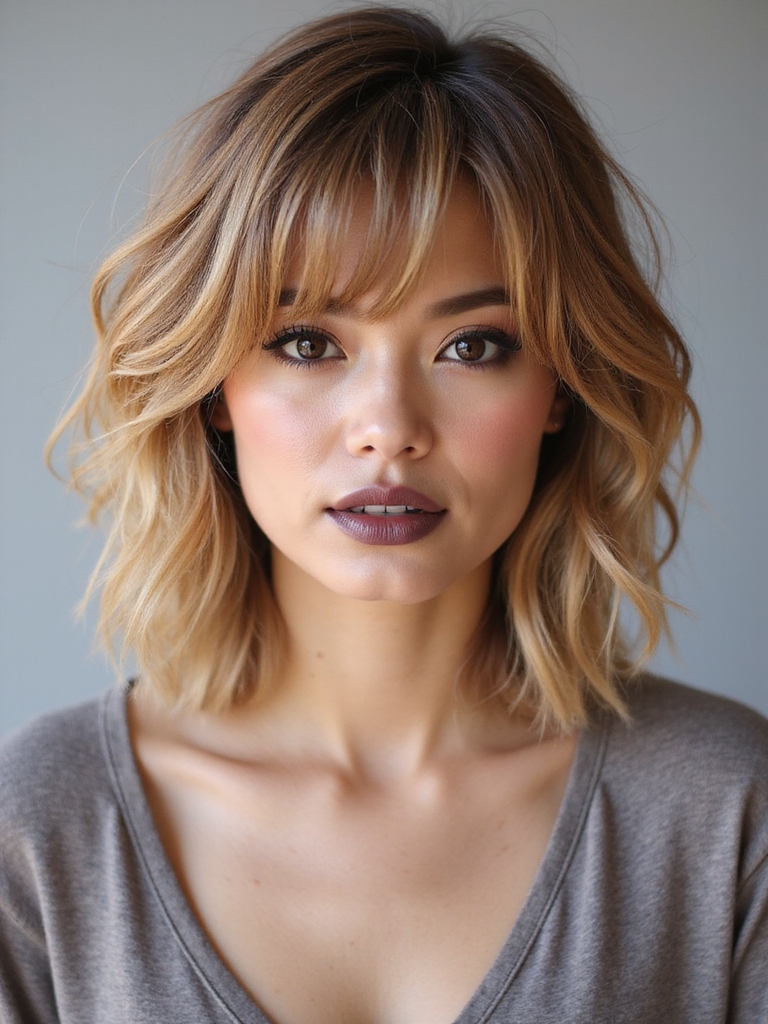
I’ve found that styling your shag doesn’t have to be complicated—I’ll show you quick morning tricks that’ll have you out the door with texture and movement in minutes.
From sea salt sprays to texturizing powders, I’m sharing the products and techniques that’ll transform your shag from flat to fabulous without the fuss.
You’ll discover how easy it’s to work with your cut’s natural layers and create that effortless, lived-in look that makes shags so irresistible.
Quick Morning Styling Tips
Getting your shag to look intentional rather than bedhead takes just a few minutes and minimal effort. I’ve discovered these game-changers:
- Shake out your roots with fingers for volume
- Apply texturizing spray while damp
- Scrunch sections to enhance layers
- Flip your head and finger-comb through
You’ll nail that effortless, put-together vibe every time.
Texturizing Products and Techniques
Since a shag’s success hinges on texture and movement, the right products become your best friends. I’d recommend sea salt sprays for grip and definition, plus lightweight texturizing creams that won’t weigh you down.
Scrunch products upward, working through damp hair. Finger-comb rather than brush—you’ll enhance that shaggy movement we’re after. Blow-dry with your head tilted for natural volume.
Product Recommendations for Low-Maintenance Shags
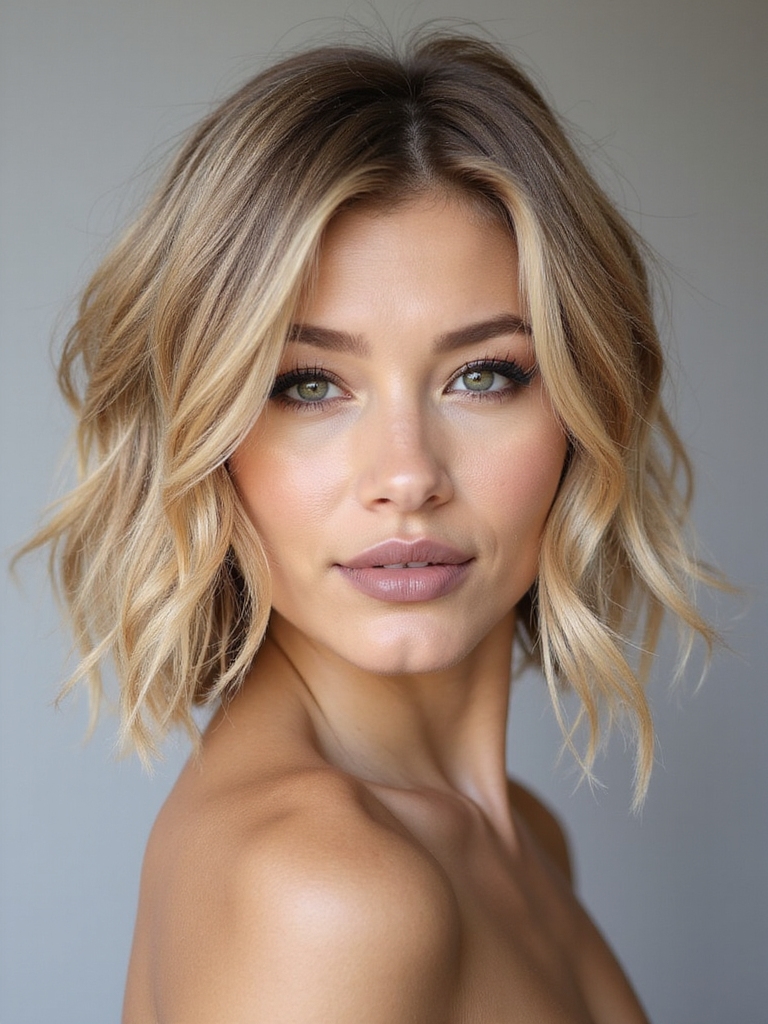
- Texturizing spray for grip and definition
- Lightweight mousse for volume without weight
- Sea salt spray for tousled movement
- Dry shampoo for revitalizing between washes
You’re investing in simplicity—products that enhance, not complicate.
How Often You Should Get Your Shag Trimmed
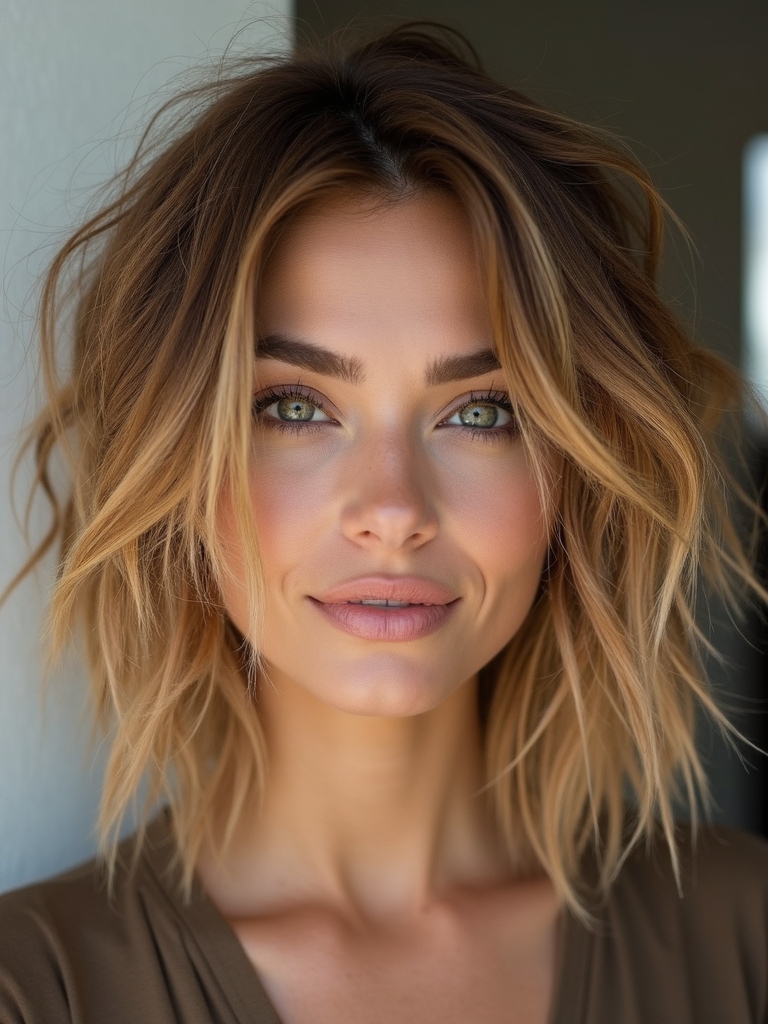
Your shag’s success hinges on regular maintenance—I’d say every 4 to 6 weeks is the sweet spot for keeping those layers sharp and textured.
Between appointments, you’ll notice how your shag naturally softens; trimming prevents it from looking overgrown or shapeless.
If you’re growing it out intentionally, extend to 8 weeks, but don’t skip cuts entirely.
Consistency keeps your shag looking intentional and effortlessly cool.
Blow-Drying Techniques to Enhance Your Shag
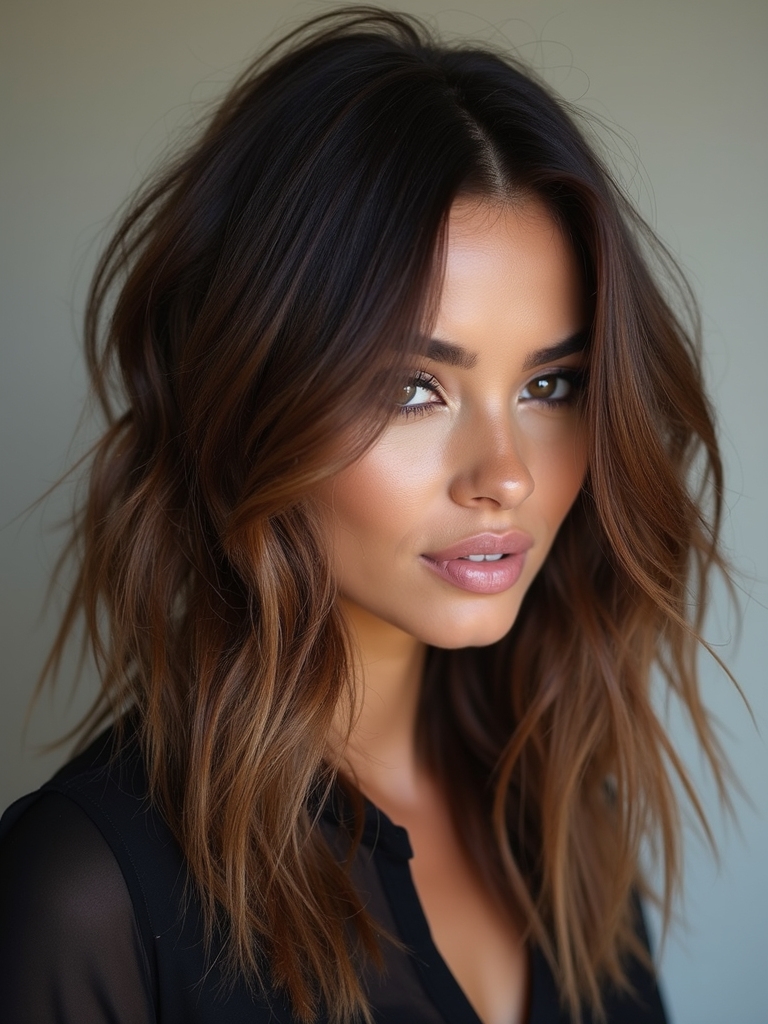
Between trims, how you dry your shag makes all the difference in if it looks effortlessly textured or just plain messy.
I’ve learned that mastering these techniques transforms your style:
- Flip your head upside down for maximum volume
- Use a diffuser attachment on medium heat
- Scrunch sections while blow-drying to enhance layers
- Finish with cool air to set texture
You’ll notice the difference immediately.
Styling a Shag Without Heat Tools

Not everyone has the time or desire to blow-dry their shag every morning, and honestly, I don’t blame you.
You can celebrate your natural texture by sleeping in loose braids or using sea salt spray for effortless waves. Scrunching damp hair with your hands creates definition without tools.
Air-drying takes patience, but you’ll love the relaxed, undone vibe you’ll achieve.
Face Shapes and Finding Your Perfect Shag Cut

While mastering the no-heat styling method is fantastic, I’ve found that getting the shag cut right for your face shape matters just as much as how you style it afterward.
Consider these guidelines:
- Round faces benefit from longer layers
- Square jaws need softening angles
- Oval shapes suit most shag variations
- Heart-shaped faces work best with chin-length cuts
Your stylist can customize accordingly!
Transitioning to a Shag From Your Current Hairstyle
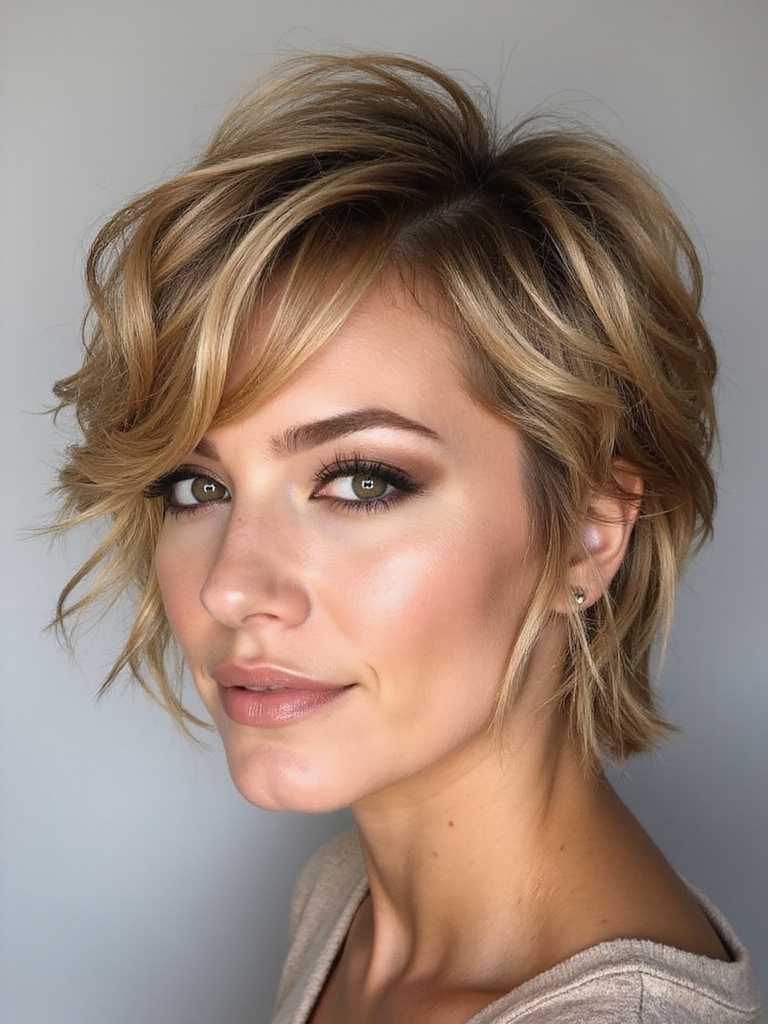
Making the jump to a shag cut doesn’t have to feel like a drastic leap—I’ve seen people successfully shift from practically every hairstyle imaginable.
If you’re coming from a blunt bob or long layers, a skilled stylist can create a gradual progression. You’ll grow into your shag naturally, building confidence as shorter pieces frame your face beautifully.
Maintenance Tips to Keep Your Shag Looking Fresh
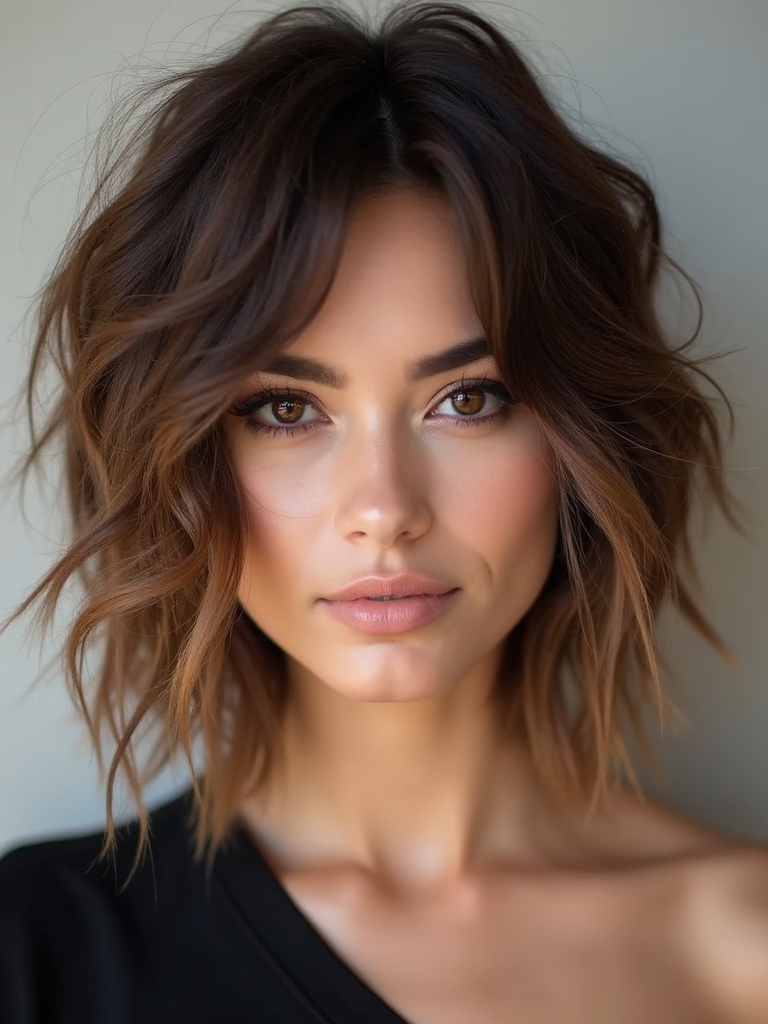
Once you’ve committed to your shag, I’ll be honest—it’s worth the upkeep to keep those effortlessly cool vibes going strong.
Here’s what I do:
- Schedule trims every 6-8 weeks
- Use texturizing products for definition
- Invest in a quality dry shampoo
- Deep condition weekly
You’ll notice your shag stays fresh, bouncy, and intentionally tousled when you’re consistent.
Believe me—small efforts yield major results.
You’ve got this. If you’re rocking thick curls or fine strands, a shag’s got your back. It’s the haircut that lets you be effortlessly cool without spending hours styling. You’ll wake up, shake it out, and look intentionally undone—in the best way.
So go ahead, take the leap. Your perfect shag’s waiting, and honestly, you’re going to love how it makes you feel.