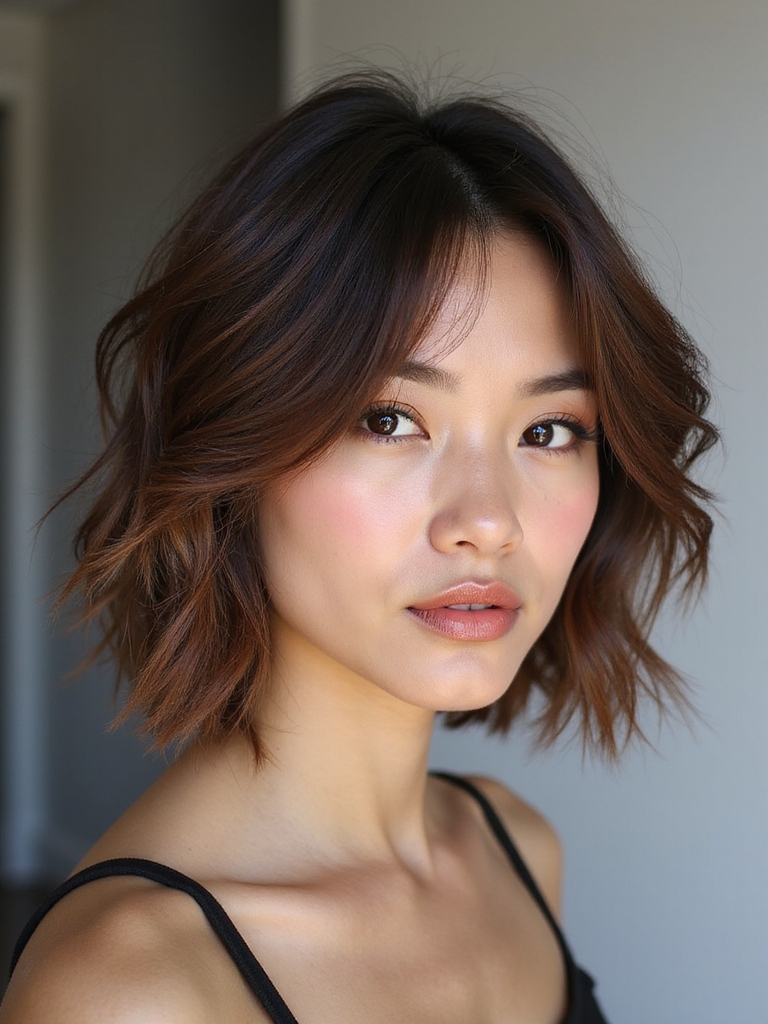
I love shag haircuts because they’re layered, textured cuts that soften angles, add movement, and actually balance every face shape. For round faces, I add long, face-skimming layers and crown height to slim and lengthen the look.
For square jaws, I use wispy curtain bangs and choppy ends to soften sharp edges; for heart-shaped faces, I add weight at the chin with longer pieces; for long faces, I break vertical length with soft bangs. Keep going and I’ll show which exact cuts and bangs to ask your stylist for.
What Is a Shag and Why It Works for Different Faces
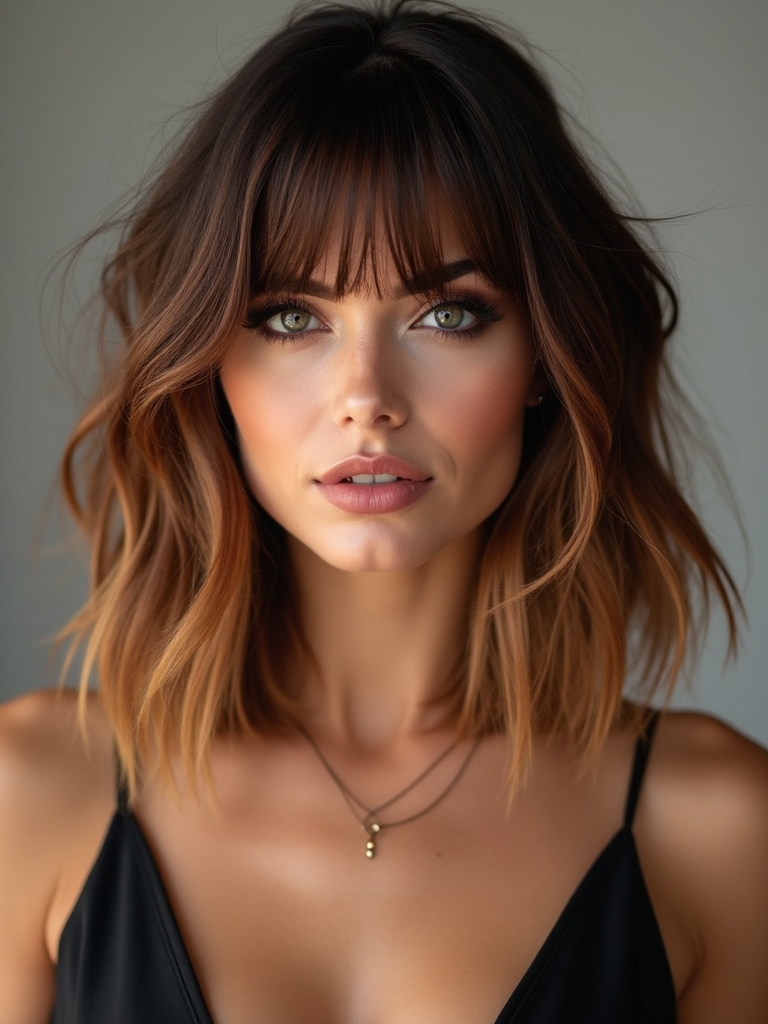
I’ll cut straight to it: a shag is a layered, textured haircut built to move, soften angles, and add instant personality, and that’s exactly why it flatters so many face shapes.
I’ll show you how strategic layers, face-framing pieces, and varying lengths create balance—camouflaging width, elongating roundness, and breaking harsh lines—so you get a flattering, effortless look tailored to your proportions.
Edgy shag bangs add effortless texture and modern edge with Shag Bangs that blend seamlessly into the layers.
Choosing the Right Shag for Oval Faces
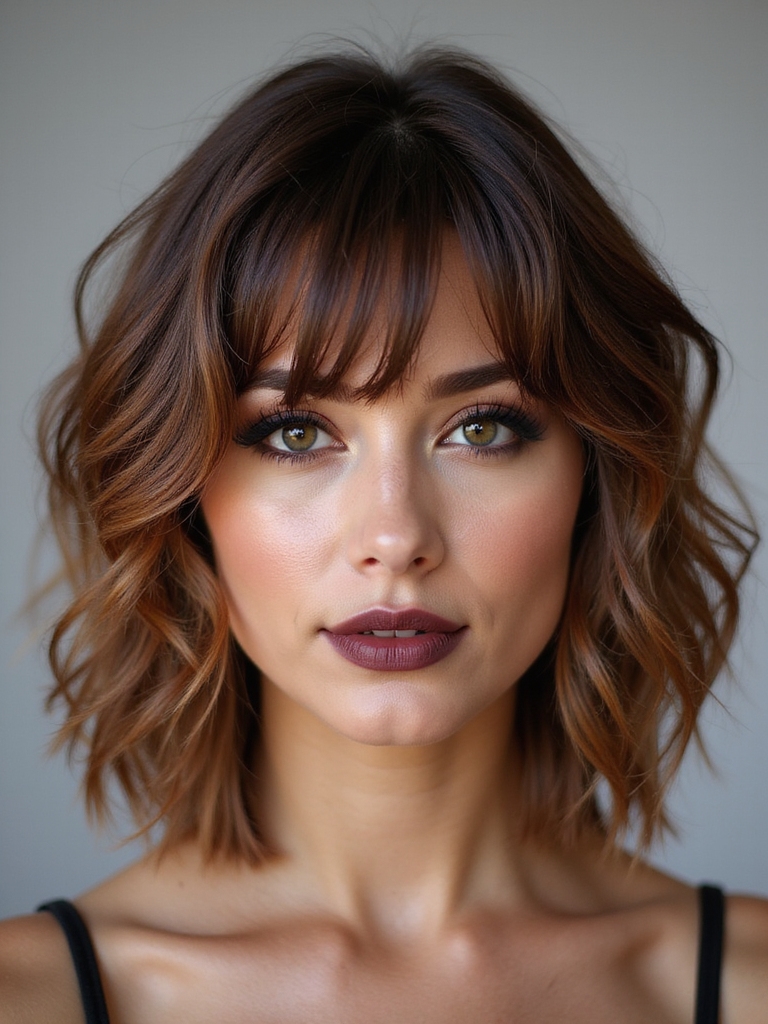
Now that you know how layers and face-framing pieces work to balance features, let’s talk about oval faces—arguably the most versatile shape for shags.
I recommend bold choices that enhance symmetry and movement without overwhelming your proportions:
- Soft, long layers to keep length and motion.
- Curtain bangs to highlight cheekbones.
- Choppy ends for texture and effortless style—easy to grow out.
Shag Variations That Flatter Round Faces

If you’ve got a round face, I’ll show you which shag tweaks actually slim and lengthen your features—think face-framing layers that cut straighter lines, long textured bangs that create vertical balance, and targeted volume at the crown to add height.
I recommend layers that hit below the cheekbones to avoid widening, bangs that graze the cheek or chin instead of sitting blunt, and backcombing or strategic layering at the crown for lift.
These small adjustments make a big difference in creating a flattering, modern shag. A chic tousled option like the Effortless Shag Bob can offer that lived-in texture while keeping the silhouette slimming.
Face-Framing Layers
Think of face-framing layers as a strategic haircut move I use to slim and elongate round faces without losing that effortless shaggy vibe.
I carve soft, angled pieces around the cheekbones and jaw to create vertical lines and movement.
They add texture without heaviness, balancing fullness and drawing the eye downward.
- Angle layers
- Subtle taper
- Textured ends
I often recommend incorporating blonde shaggy hair techniques from Effortless Blonde Shag to enhance the modern-retro look.
Long Textured Bangs
Layering long textured bangs into a shag is my go-to trick for elongating round faces without adding bulk — they skim the cheekbones, breakup up the face width, and keep that lived-in, undone vibe.
I guide the cut to taper toward the ends, add soft razoring for movement, and suggest strategic parting so strands fall diagonally, creating subtle angles that visually lengthen and refine a round silhouette.
This approach pairs perfectly with effortless shaggy layers to maintain movement and a relaxed finish shaggy layered haircut.
Volume at Crown
Beyond long textured bangs, I turn attention to crown volume because adding lift at the top is one of the most powerful ways to elongate a round face.
I push hair upward, sculpt layers, and use light backcombing for structure. Try these targeted tweaks:
- Teased crown with soft hold spray.
- Stacked layers for vertical lift.
- Root-lift mousse plus blowout technique.
Shag cuts often use stacked layers to create lift and movement.
Best Shag Styles for Square Face Shapes

When you have a square face, I recommend shags that soften the jaw and add vertical movement—think wispy curtain bangs, textured ends, and long, face-framing layers that break up strong angles.
I’d opt for soft, feathered layers around cheeks, choppy mid-lengths to slim the silhouette, and subtle side-swept fringe.
Keep texture light to avoid widening the face.
Effortless Medium Shag: The Chic Layered Look adds a modern, lived-in finish with layered texture that enhances movement and versatility.
Shags That Complement Heart-Shaped Faces
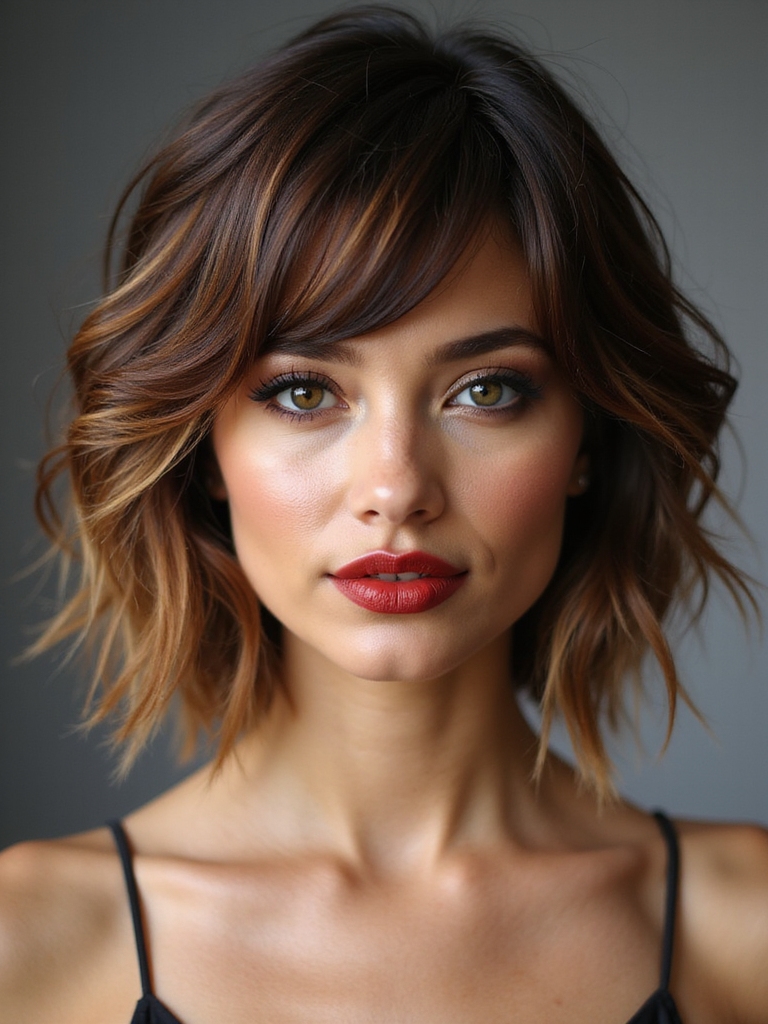
Because a heart-shaped face narrows at the chin and draws attention to the forehead, I recommend shags that balance width up top and add weight around the jawline—think textured chinsweeping layers, soft curtain bangs that blend into longer face-framing pieces, and blunt-ish ends that give the lower half more presence.
- Chin-weighted layers
- Blended curtain bangs
- Soft blunt finishes
The Chic Short Shag is a great example of a low-maintenance cut that still delivers texture and shape, especially when styled with short shag techniques.
Long Face Shapes: Shag Cuts That Add Width
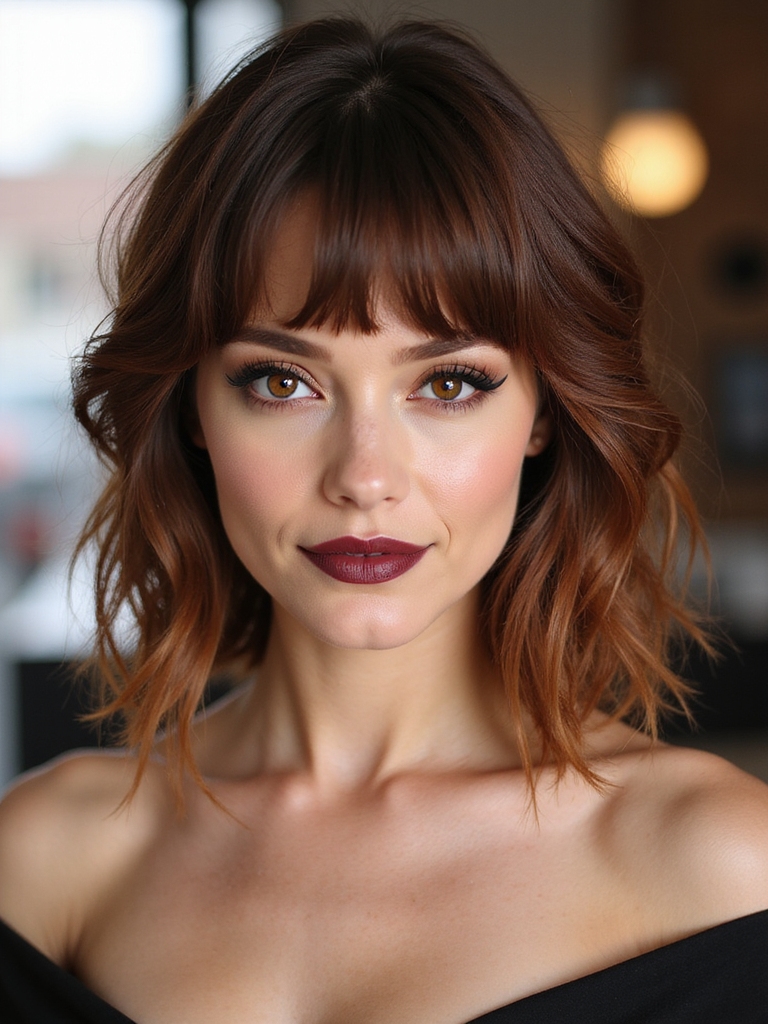
If your face is long, I’ll show you how a shag can create the illusion of width with targeted details. Soft layered bangs break up vertical length, chin-grazing volume fills out the sides, and textured side pieces sweep outward to broaden your profile.
I’ll walk you through how to combine those elements so the cut feels effortless, flattering, and totally wearable.
Soft Layered Bangs
I often tell clients with long faces that soft, layered bangs are the secret shortcut to instant width and balance.
I recommend gentle tapering, face-framing pieces, and textured ends to avoid heaviness while widening the visage.
Try these targeted ideas:
- Feathered mid-bangs for lift and spread.
- Side-swept layers to break vertical lines.
- Wispy density for natural, soft width.
Chin-Grazing Volume
When I want to broaden a long face, I reach for chin-grazing volume every time—it’s the fastest way to create optical width without adding bulk.
I sculpt fullness at the jawline with rounded layers and blunt ends, packing movement that reads wide, not heavy.
I suggest root lift, strategic point-cutting, and a light-texturing serum to keep shape and separation without weight.
Textured Side Pieces
Think of textured side pieces as your secret shortcut to visual width—they slice into the face with soft, feathered angles that immediately broaden a long silhouette.
I recommend chopping in curtain-like layers that sit at cheekbones, adding density without weight.
Try these quick tips:
- Feather toward cheeks for lateral fullness.
- Keep length just below jaw for balance.
- Use light texturizing to avoid bulk.
Layering Techniques to Soften Strong Jawlines
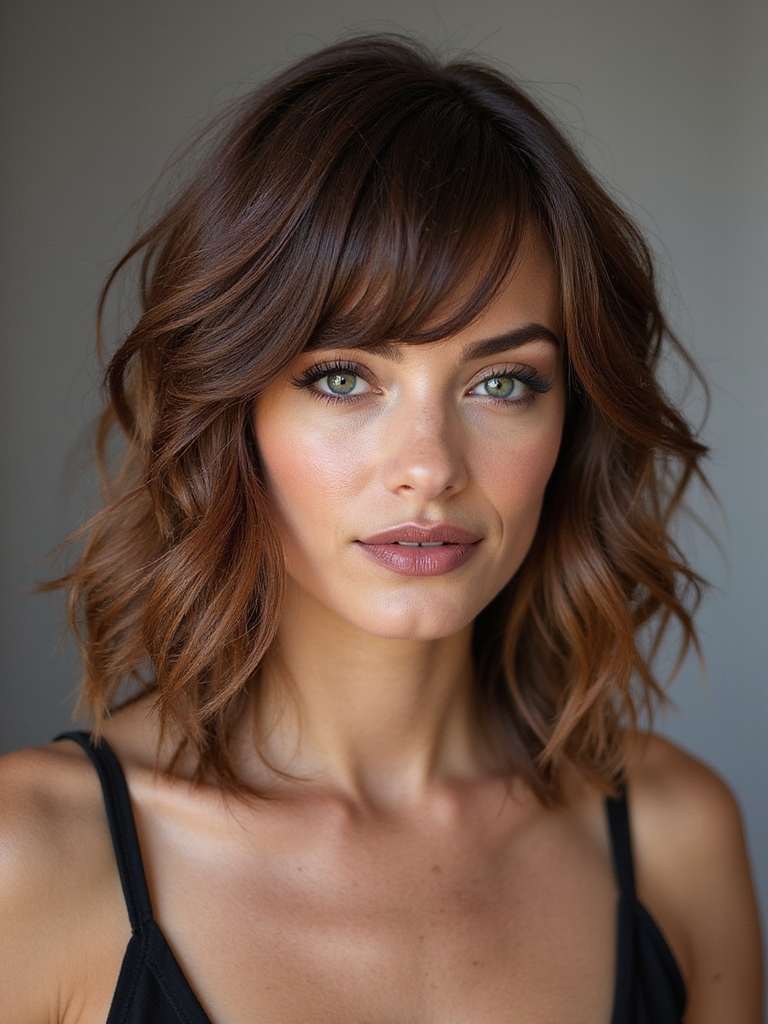
Although a strong jawline can be striking, I’ve learned that the right layering can soften angles and bring balance without hiding your bone structure.
I recommend graduated layers starting around the chin, feathered ends to break harsh lines, and face-framing pieces that angle away from the jaw.
Use textured razoring and light layering below the cheekbones for movement and a softer silhouette.
Fringe Options to Balance Face Proportions
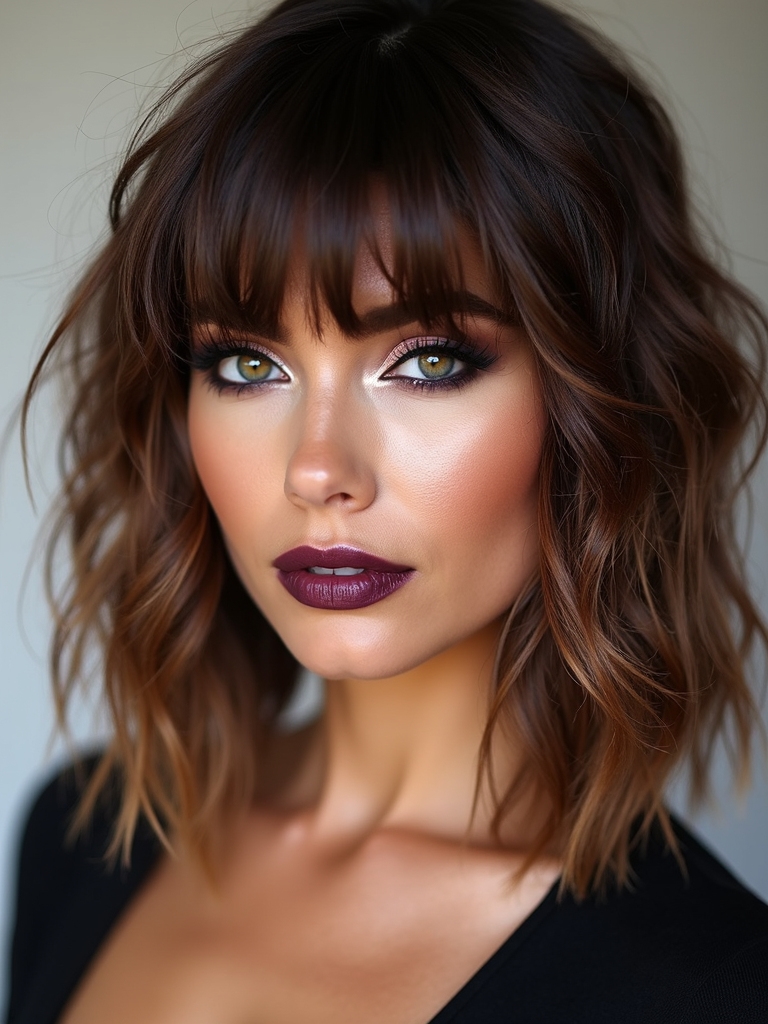
I love using fringe to tweak proportions, and two go-tos are soft curtain bangs and an angled piecey fringe.
Curtain bangs gently frame the face and soften a strong forehead, while the angled, textured pieces carve length and add movement to square or round shapes.
Tell me which face shape you’re working with and I’ll suggest the exact fringe weight and length.
Soft Curtain Bangs
I usually recommend soft curtain bangs because they frame the face without stealing the show, and I’ll show you how they balance different proportions.
I love how they soften angles, add vertical lines for round faces, and open up narrow foreheads—subtle, versatile, low-maintenance.
- Soften strong jawlines.
- Lengthen round faces.
- Add width to narrow foreheads.
Angled Piecey Fringe
If curtain bangs soften and float, an angled piecey fringe attacks with purpose — and I love recommending it when you want sharper shaping without heaviness.
I slice precise, staggered lengths that angle toward the cheekbone to sculpt jawlines, slim round faces, or balance long foreheads.
It’s low-maintenance: air-dry texture, minimal styling cream, and occasional point-cut trims keep the edge defined and modern.
Texture Tricks for Fine Hair Shags

Usually I reach for a few go-to techniques when tackling fine hair shags, because texture is the difference between limp layers and a lively, lived-in cut.
I’ll sculpt, add movement, and build body without weight.
- Razor-thin point cutting at ends to soften bulk.
- Subtle choppy layers around crown for lift.
- Sea-salt mist plus root-lift spray for lasting separation.
Managing Thick or Curly Hair With a Shag

If your hair’s thick or curly, I’m all about using strategic layers to tame the bulk without losing movement.
I’ll show you how shorter, feathered layers reduce weight at the roots so the shag sits lighter and more flattering. Pair that with curl-defining creams or gels and you’ll get sculpted, frizz-free coils that still feel alive.
Control Volume With Layers
Tame your mane by leaning into strategic layers—I’ve seen thick, curly hair transform from helmet-like to effortlessly sculpted with the right shag technique.
I trim weight at the crown, soften ends, and create longer face-framing pieces to control bulk without losing bounce.
- Remove bulk internally for shape
- Use graduated layers for lift
- Blend ends for movement
Define Curls With Products
After I cut weight and shape the layers, products become the muscle that defines each curl and keeps the shag looking intentional rather than messy.
I use a gel-cream on damp hair to boost clump formation, then scrunch and diffuse with low heat.
A light oil on ends tames frizz without flattening volume. Refresh with a water-mist and tiny curl-defining cream.
Styling Tools and Products for Shag Maintenance
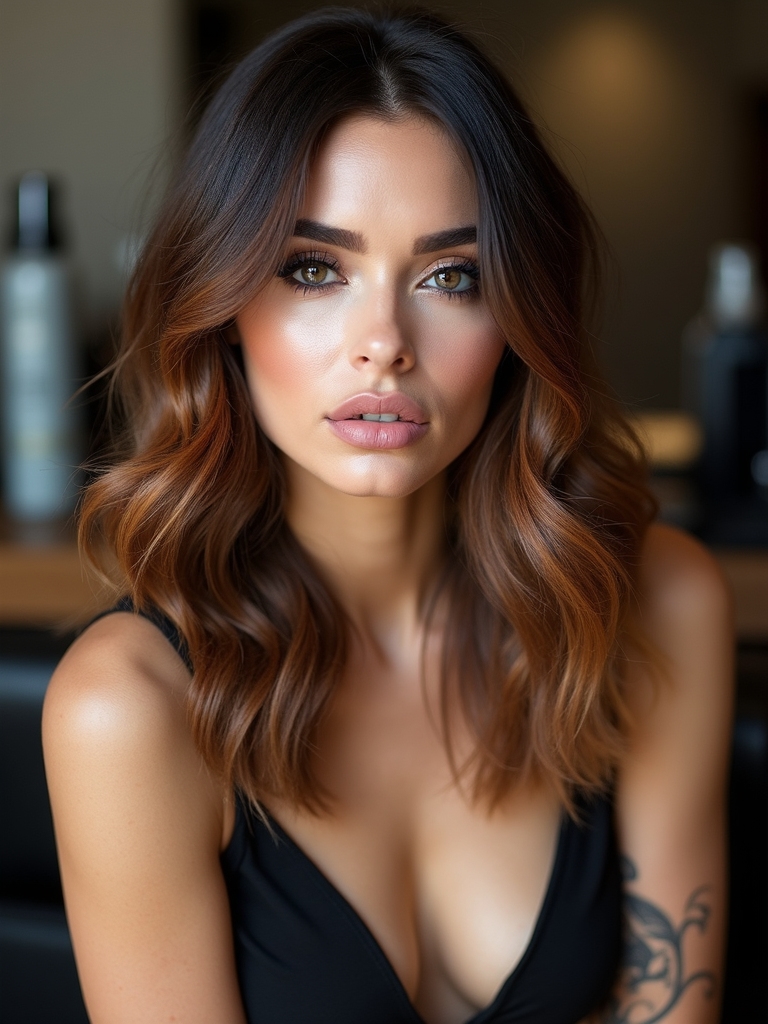
I’ll walk you through the must-have tools and go-to products that keep a shag looking lived-in, textured, and frizz-free without feeling stiff or overworked.
I use lightweight mousse for lift, a salt spray for grit, and a flexible hairspray to lock movement.
Quick tools and the right formulas preserve layers and softness.
- Lightweight mousse
- Salt/texturizing spray
- Flexible hairspray
How to Ask Your Stylist for the Perfect Shag

Now that you know the tools and products that keep a shag lively and soft, let me help you turn that at-home routine into a haircut your stylist can recreate.
I’ll bring clear photos, describe my daily styling, specify desired length and face-framing layers, ask for textured point cutting, and request maintenance timing.
I’ll listen to their suggestions and confirm the exact cut before they start.
Color and Highlights That Enhance Shag Layers

I’ll walk you through how color and highlights can make a shag sing—boosting texture, depth, and movement so each layer reads intentional, not accidental.
I’ll recommend contrast, placement, and maintenance that keep edges sharp and volume real.
- Face-framing babylights for lift
- Chunky contrast for grit and definition
- Low-maintenance balayage to enhance layers and grow-out
Transitioning From Long Hair to a Shag
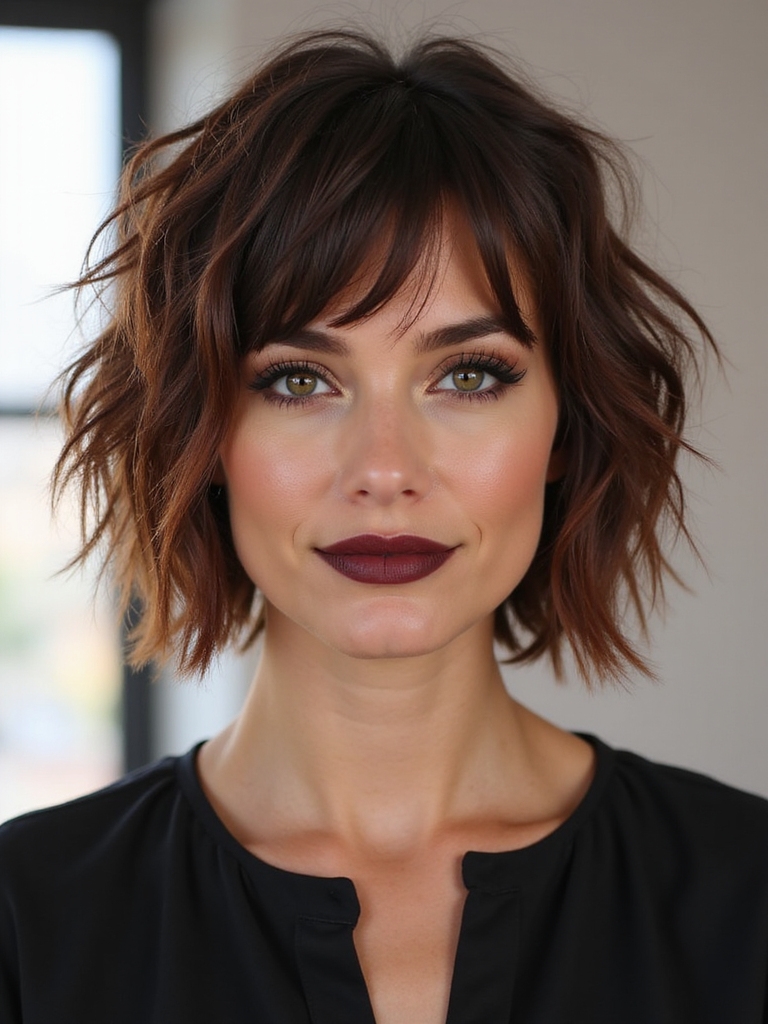
When you’re ready to chop length for lived-in movement, I’ll walk you through the mindset and steps that make the shift from long hair to a shag feel deliberate—not like a haircut accident you’re regretting later.
I suggest gradual length removal, strategic face-framing layers, and texturizing at the ends.
Bring reference images, trust a stylist who understands layering, and embrace the grow-out plan with trims.
Celebrity Shag Inspiration and Photo Ideas
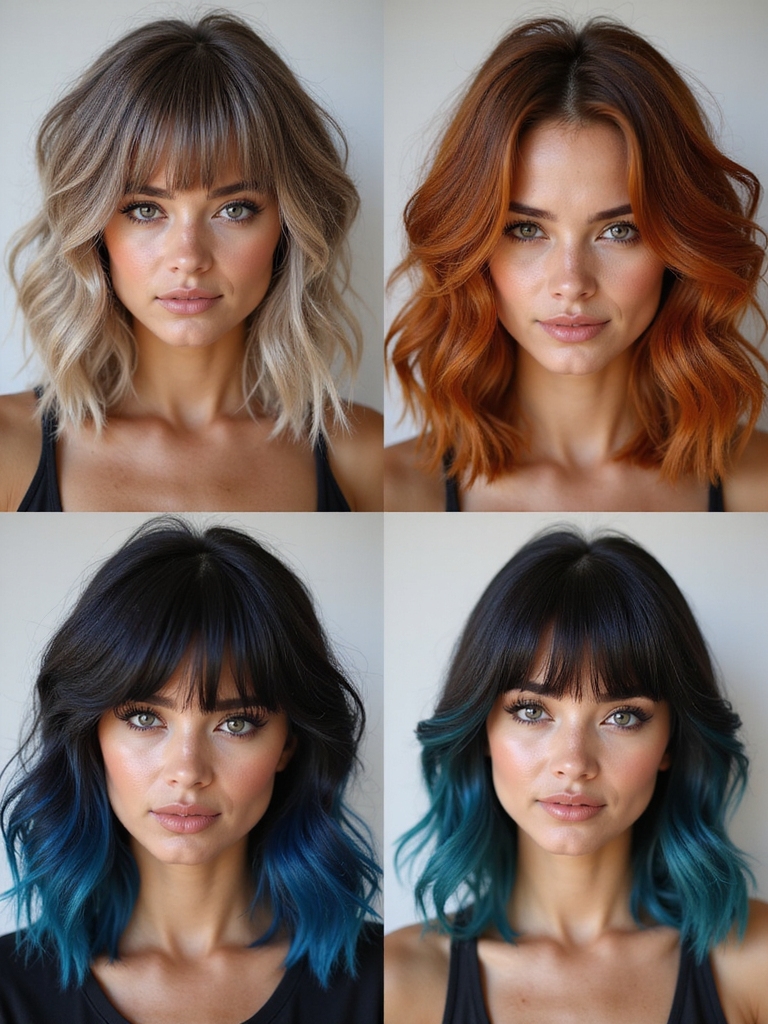
Let’s plunge into celebrity shags that actually translate to real life—I’ve pulled looks that show how length, layers, and texture read on different hair types so you can pick photos that match your goals.
I’ll guide your selections, point out cut details, and suggest styling cues to bring those images to your chair.
- Iconic choppy mid-length
- Soft curtain bangs
- Textured long shag
Funny how the shag finds you when you least expect it — I stumbled into layers the same week my face shape finally felt like mine. I want you to take that leap, knowing the right cut can soften, frame, or sharpen what you already love.
Trust your stylist, bring pictures, and be bold about texture and color. That small coincidence — your haircut meeting your moment — can change everything, and I’d bet on it.