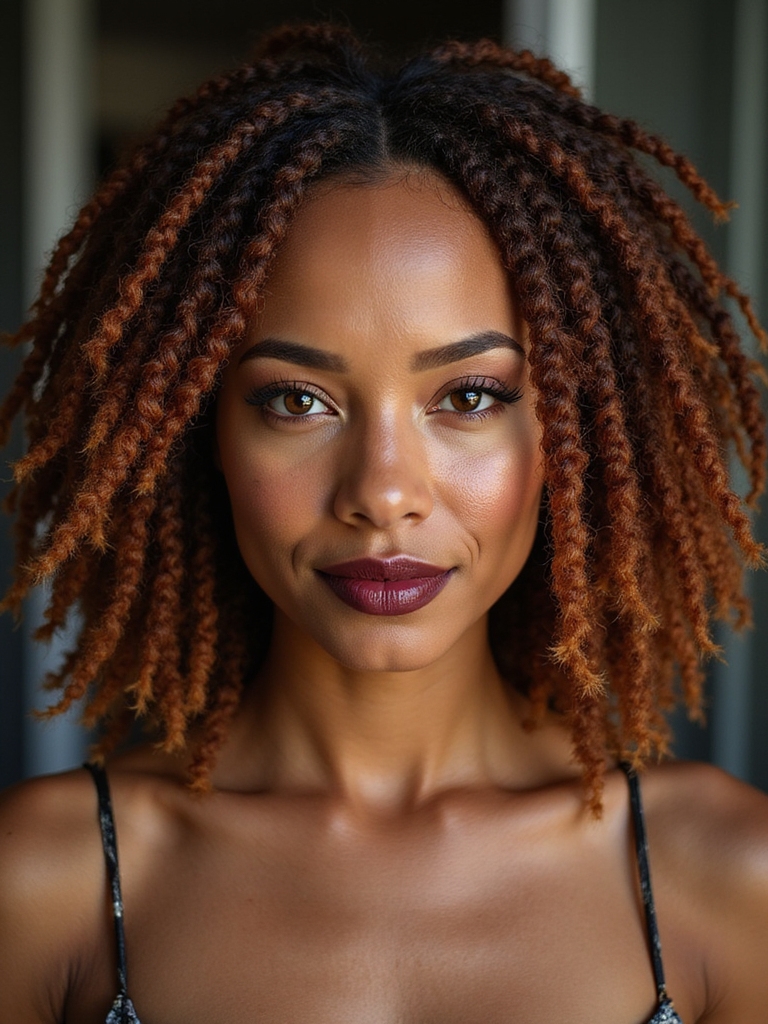
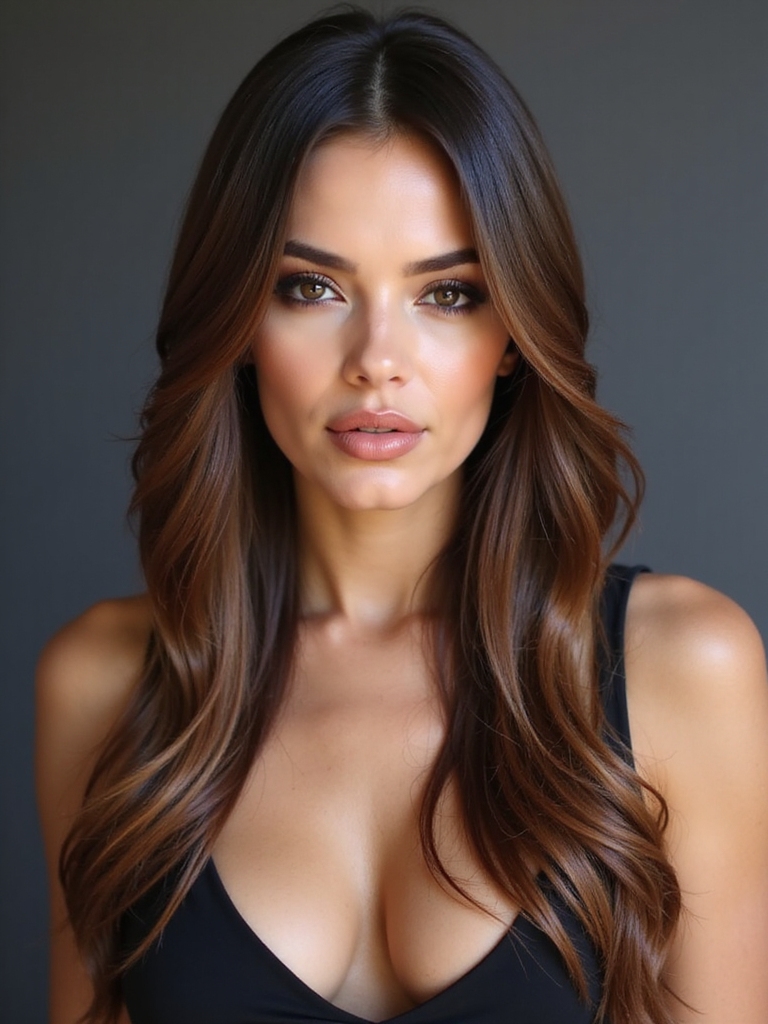
I’ve found inverted bobs are perfect for fine hair because the stacked, graduated nape lifts the crown while longer, face‑framing front pieces add presence without weight. Precise layers and soft texturizing at the ends create airy movement and natural volume you can style with no‑heat tricks or a light root spray.
Keep products featherweight and trims every 6–8 weeks to preserve the shape. Stick around and I’ll show how to pick lengths, texture, and maintenance that really work.
Why the Inverted Bob Works for Fine Hair

Because it lifts the silhouette at the back while keeping length in front, the inverted bob instantly gives fine hair more presence.
I love how the stacked layers create natural lift without heavy products, and how the longer front frames the face softly.
Try a subtle undercut or textured ends to enhance movement — you’ll get airy volume and an elegant, effortless look that feels modern.
Stacked inverted bobs, especially short stacked styles, lift the back perfectly and add structure for fine hair.
Choosing the Right Length for Your Face Shape
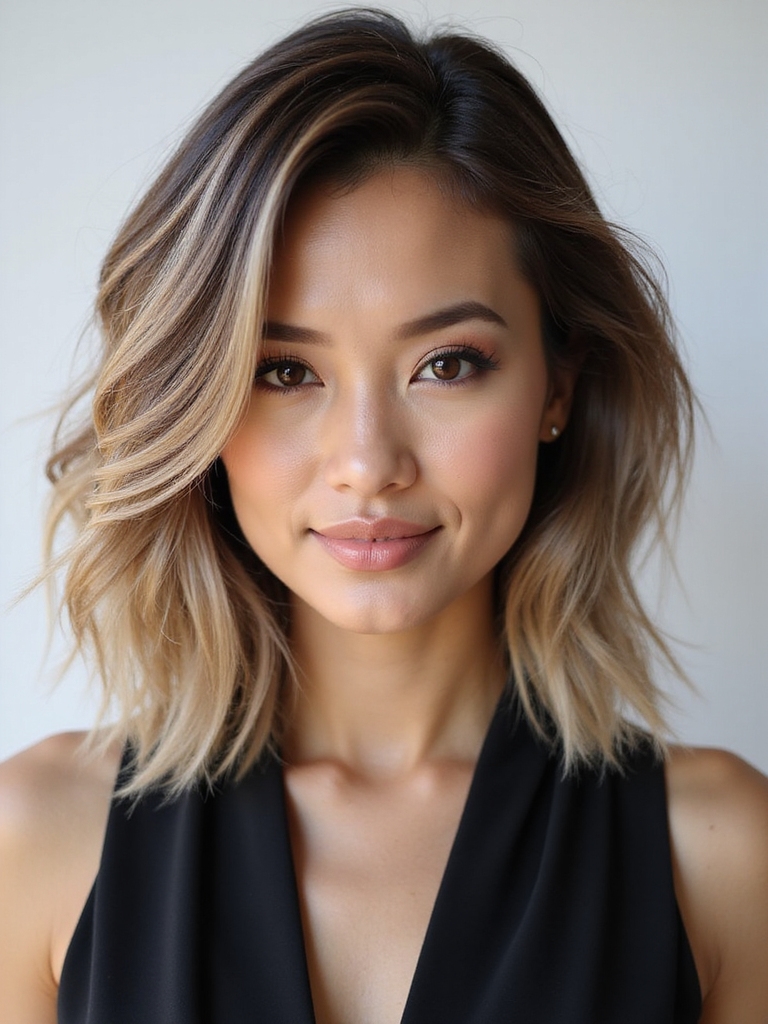
Now that we’ve talked about how the inverted bob builds lift and movement, let’s talk about how to pick the length that flatters your face.
I suggest chin-skimming cuts for round faces to elongate, collarbone lengths for oval faces to keep balance, and softer, jaw-grazing angles for square faces to soften edges.
Petite frames benefit from shorter bobs; long faces suit fuller, chin-length styles.
The inverted bob can be tailored to different textures to create natural lift and movement, especially effective for fine hair types.
Stacking and Graduation: Techniques That Add Lift
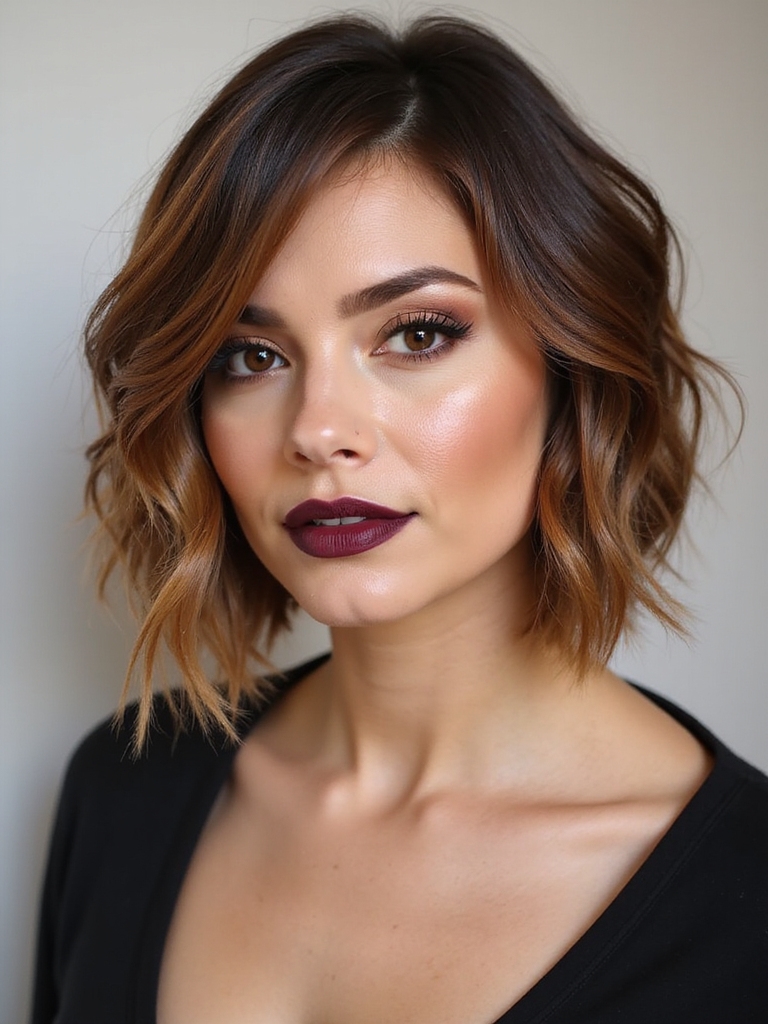
When I talk about stacking and graduation, I mean the precise layering and angled stacking at the nape that create the lift and rounded silhouette an inverted bob is known for.
I favor short, graduated layers that propel hair upward, sculpting weight toward the crown while keeping edges soft.
This controlled architecture gives fine hair natural body without bulk, framing the neck elegantly.
Layered, stacked bobs can add major lift and definition when tailored to hair density and head shape, emphasizing stacked bob techniques.
Texturizing Methods for Lightweight Volume

After we’ve built lift with careful stacking and graduation, I turn to subtle texturizing to keep that volume feeling weightless. I gently remove bulk, encourage airy movement, and preserve shape so fine strands breathe.
My go-to steps:
- Point-cut ends for soft separation.
- Slide-thin mid-lengths to reduce weight without gaps.
- Micro-razor for feathered, natural bounce.
Layering the bob strategically also enhances texture and movement by creating internal angles that promote lift and flow.
Curtain Bangs and Fringe Options for Softening Features

How do you soften a face without losing the inverted bob’s sculpted edge? I love adding curtain bangs or a wispy fringe to blur angles and frame cheekbones, keeping lengths long enough to tuck behind ears.
I style them with a round brush for gentle lift or finger-comb for airy texture. They lend warmth, balance, and effortless movement to fine hair.
A chic bob is especially effective when paired with flattering bangs that complement the cut and enhance volume.
Layer Placement to Enhance Natural Movement

Because I want my inverted bob to move like it’s alive, I place layers where the hair naturally swings—around the crown for lift, at the nape to prevent heaviness, and through the mid-lengths to encourage a soft fall toward the face.
- Crown: gentle, short layers for airy volume.
- Mid-lengths: long-ish layers to guide movement.
- Nape: subtle graduation to keep weight off the neckline.
Blunt vs. Angled Ends: Which Gives More Body?
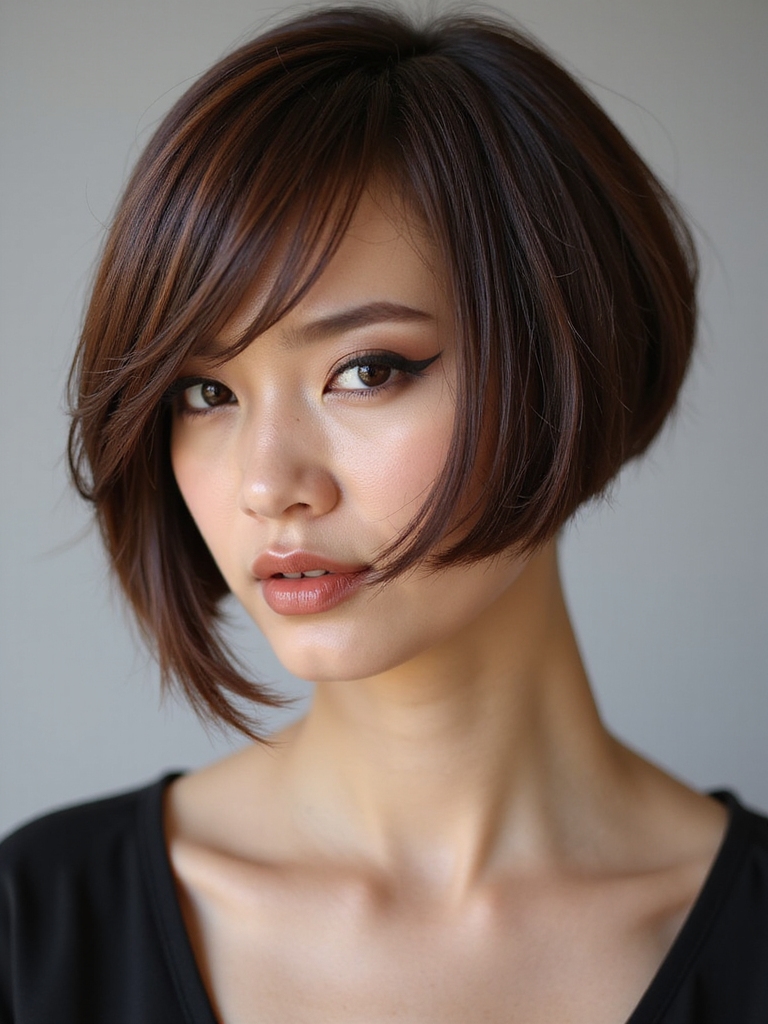
I like to think of ends as the outfit your haircut wears—blunt edges make your inverted bob feel sharply dressed and fuller at the perimeter, while angled or razor-softened ends let the layers breathe and create softer, more natural body.
I usually recommend blunt for instant, visible weight and angled for movement that reads as airy volume; both work, depending on your texture and styling.
Short Inverted Bobs for Maximum Lift
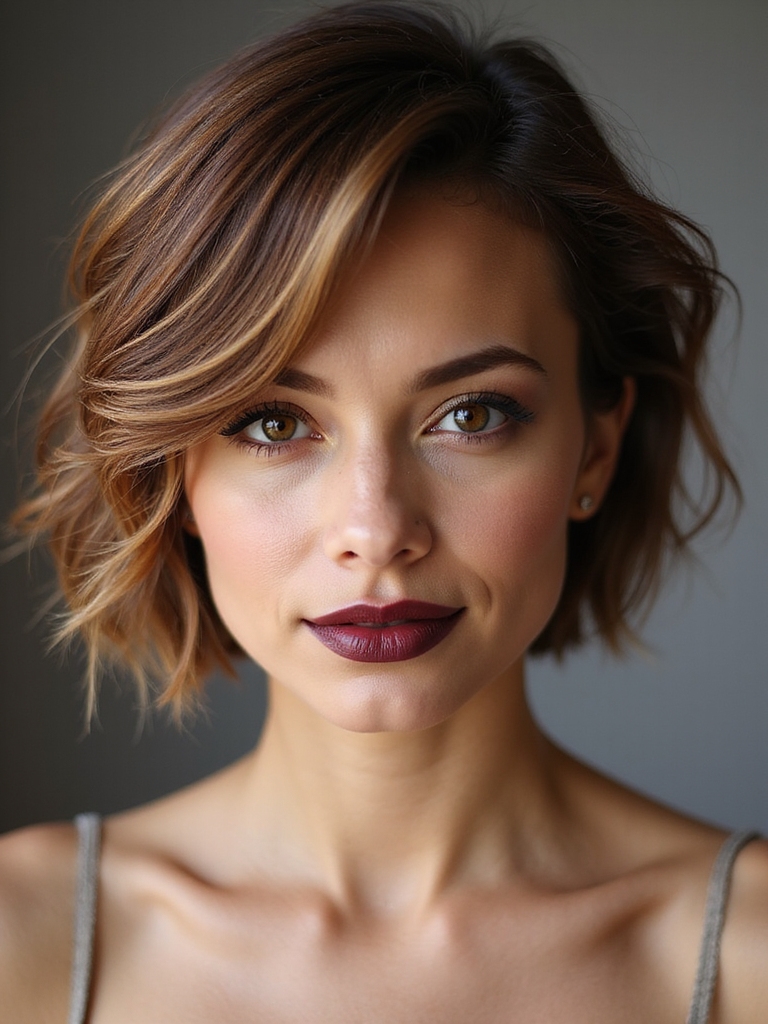
Blunt ends give instant perimeter weight, but if you want lift that reads like style rather than volume, go shorter—I’m a big fan of a cropped inverted bob for fine hair because the stacked back and longer front pieces create an upward silhouette without relying on heavy layers.
- Easy daily texture with a quick blowout.
- Neck-length stack keeps roots lifted.
- Face-framing angles elongate the profile.
Mid-Length Variations for Versatility
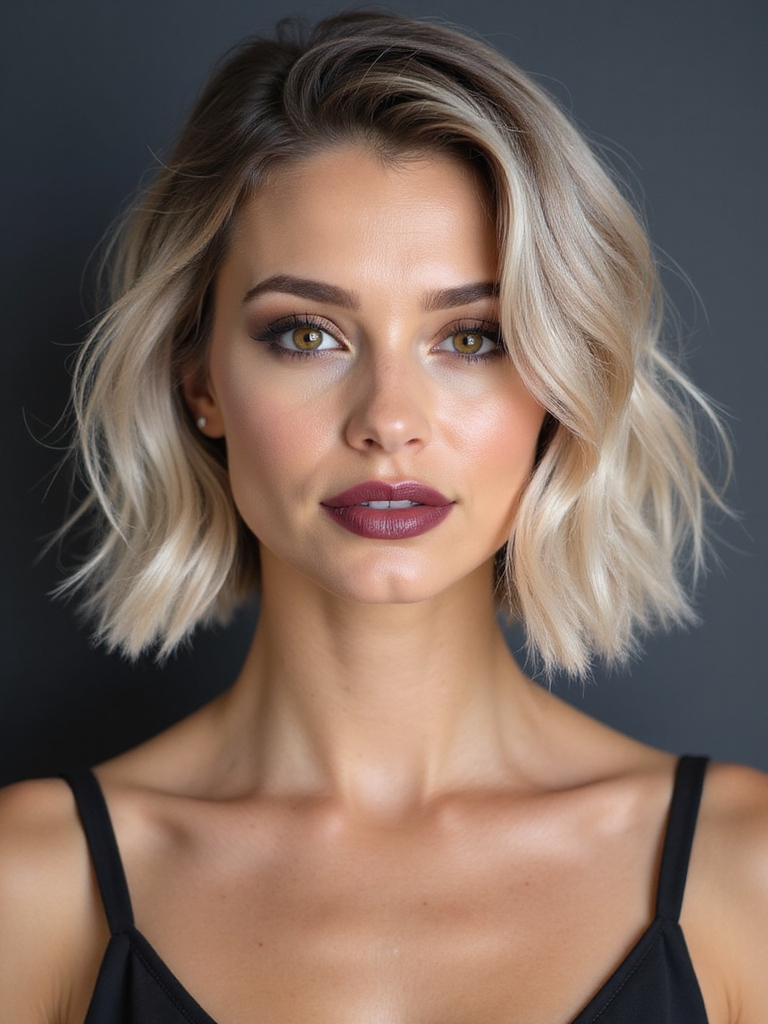
When you want the best of both worlds, a mid-length inverted bob delivers—it’s long enough for soft movement but short enough to keep that lifted, architectural shape I love for fine hair.
I recommend subtle layering at the crown and angled front pieces to frame the face.
You’ll get versatility: gentle waves, sleek polish, or tucked-behind-the-ear ease without losing natural volume or lightness.
Long Inverted Bobs That Still Feel Airy

I love how a long inverted bob can stay airy with weightless face-framing layers that move with you.
Feathered, long-length ends keep the silhouette soft instead of heavy, and a few root-lift styling techniques add bounce without bulk.
Let me show you how small cuts and smart styling keep length while lightening the look.
Weightless Face-Framing Layers
Because I want your long inverted bob to feel light rather than weighed down, I suggest adding soft, face-framing layers that taper gently around the cheekbones and jaw.
I’ll keep texture subtle so movement feels airy, not choppy.
Try these simple options for approachable volume:
- Shorter layers by the face for lift.
- Long, thin slices for movement.
- Gentle graduation toward the back.
Feathered Long-Length Ends
Feeling for the right balance, I feather the long ends of an inverted bob so they skim the shoulders without looking heavy.
I sculpt soft, tapered layers that move with every step, keeping silhouette light and elegant.
You get airy motion and subtle shape without sacrificing length—gentle texture that catches light, frames the face, and reads modern rather than bulky.
Root-Lift Styling Techniques
When you want a long inverted bob to stay light, I turn to root-lift styling to create height without bulk. I love techniques that look effortless and keep movement.
- Blow-dry roots up with a round brush, aiming heat where lift’s needed.
- Use a lightweight mousse for soft hold.
- Finish with a cool blast and finger-comb for airy separation.
Styling Tools and Methods to Build Volume Without Heat

I love using no-heat tricks to wake up fine inverted bobs with life and shape.
Overnight braids or twists and a few Velcro rollers give me soft lift and natural movement by morning, while targeted root-lifting products add lasting body where it counts.
I’ll walk you through simple techniques and how to combine them for a fuller, airy look without turning on a blow dryer.
Overnight Braids or Twists
Because I want my inverted bob to look full without heat damage, I swear by overnight braids and twists for building gentle lift and texture.
They wake me with soft movement and a natural root boost.
I tuck ends loosely to avoid creases and sleep on silk.
- Loose three-strand braid
- Two-strand twist with product
- Mini braids at crown
Rollers and Velcro Rods
If you liked how overnight braids gave my inverted bob soft lift without heat, you’ll appreciate rollers and Velcro rods for a slightly bouncier, more polished finish.
I section damp hair, wrap strands around medium Velcro rods or foam rollers, clip gently, and let them set until nearly dry.
Unroll carefully, finger-comb for shape, and finish with a light mist to hold that airy, elegant volume.
Root-Lifting Product Application
When I want lasting lift at the roots without heat, I reach for targeted products and simple tools that work with my hair’s natural texture.
I gently prep, apply, and set—respecting fine strands while coaxing volume.
- A light root-lifting spray: mist, lift with fingers.
- Powder at the part: tap, massage for texture.
- Soft clip: hold roots up while drying naturally.
Product Picks: Light-Weight Formulas That Boost Body
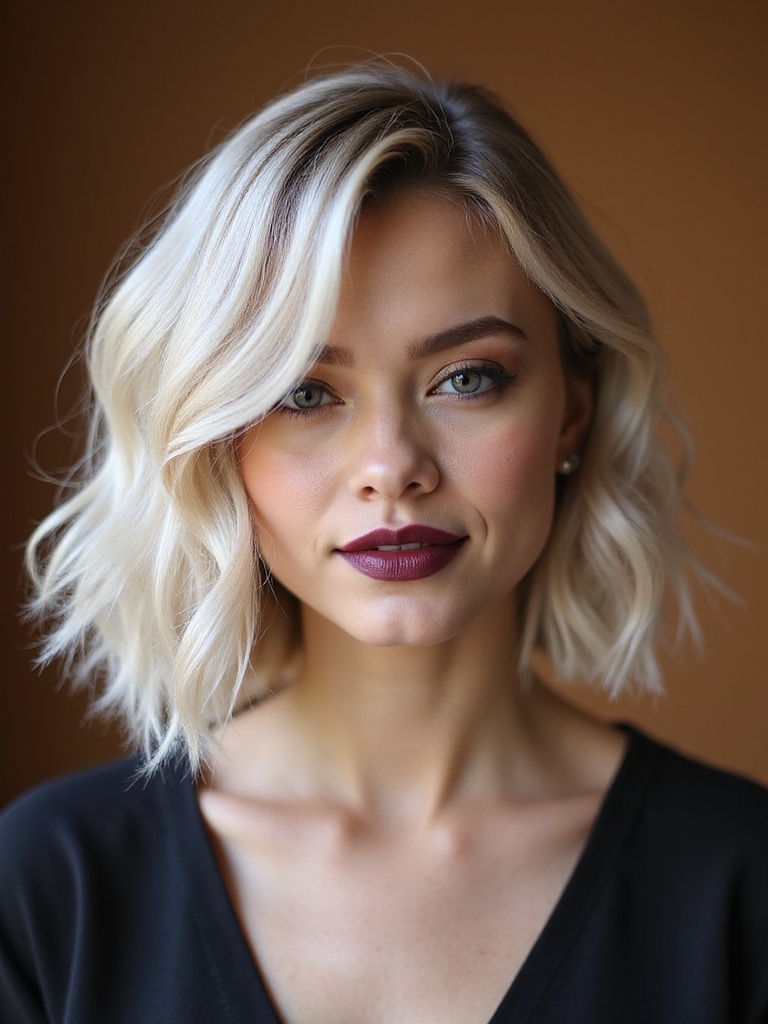
I like to reach for lightweight formulas that lift without weighing hair down, because fine strands need body without the crunch.
I favor a sea-salt spray for subtle texture, a weightless mousse for lasting lift, and a fast-absorbing volumizing spray to refresh roots.
Choose silicone-free, flexible-hold options and apply sparingly — a little goes a long way to natural-looking fullness.
Color Techniques That Create the Illusion of Thickness
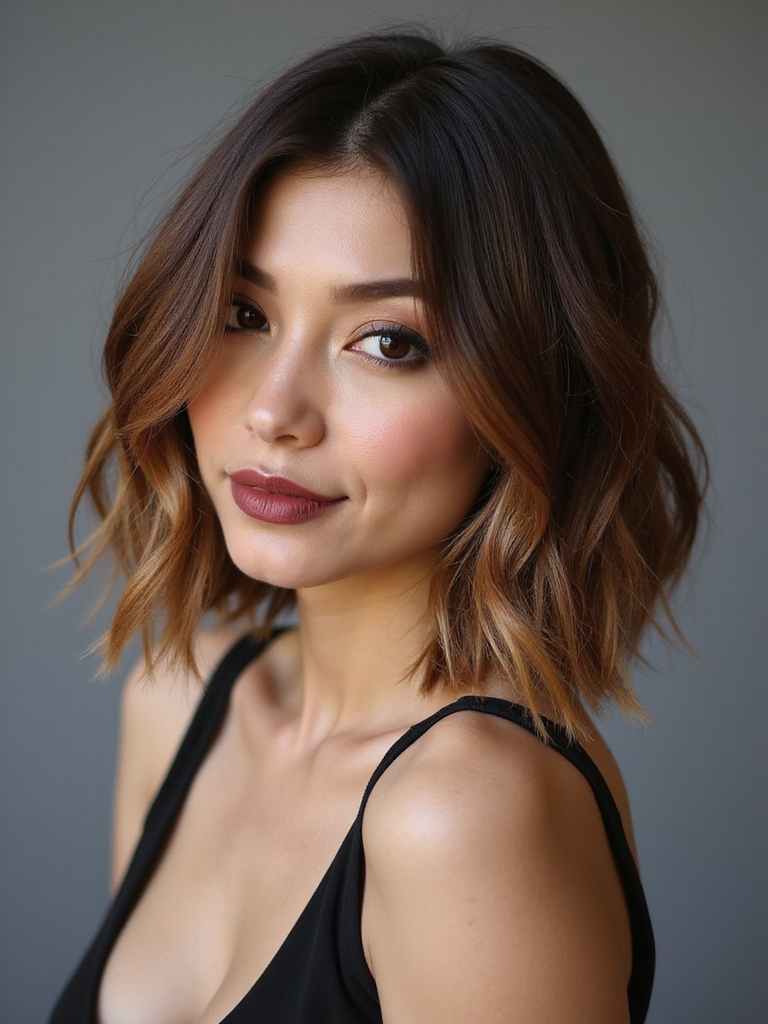
I love using color to trick the eye into seeing more volume, and a soft root shadow gives instant lift at the crown.
Carefully placed multi-dimensional highlights add texture without thinning the ends, while selective tonal contrast around the face and layers creates the sense of denser hair.
Let me show you how those three techniques work together to make an inverted bob feel fuller.
Strategic Root Shadowing
Because subtle shadowing at the roots can change everything, I like to start by mapping where the hair naturally parts and falls so the darker tones sit exactly where they’ll add depth and lift; this approach makes fine strands read fuller without heavy contrast or obvious color lines.
- Place soft darkening at part and crown.
- Blend with gentle feathering.
- Refresh root depth every 6–8 weeks.
Multi-Dimensional Highlights
After mapping root shadows, I like to layer multi-dimensional highlights to make each strand read thicker and more tactile.
I pick varied widths and soft blends—subtle face-framing pieces, cooler midtones, and warm ends—to catch light differently.
This creates depth and movement without harsh lines.
You’ll notice an instant illusion of density as highlights animate the inverted bob, making it feel fuller and lively.
Tonal Contrast Placement
When I place tonal contrasts thoughtfully, they sculpt volume the same way a shadow sculpts a cheek—strategic darks and lights give fine hair the appearance of density without adding weight.
I’ll use placement to lift the crown, frame the face, and imply movement. Here’s how I think about it:
- Dark roots for depth.
- Lighter ends for lift.
- Face-framing brightness for bounce.
Maintenance and Trims: Keeping the Shape Fresh

If I want my inverted bob to keep its crisp lines and lift, I book trims every 6–8 weeks and do small at-home touchups between salon visits.
I tell my stylist where weight needs softening and where length must stay blunt.
I use a light serum, gentle blow-drying with a round brush, and satin pillowcases to preserve shape and reduce breakage.
Celebrities and Real-Life Inspiration for Fine Hair
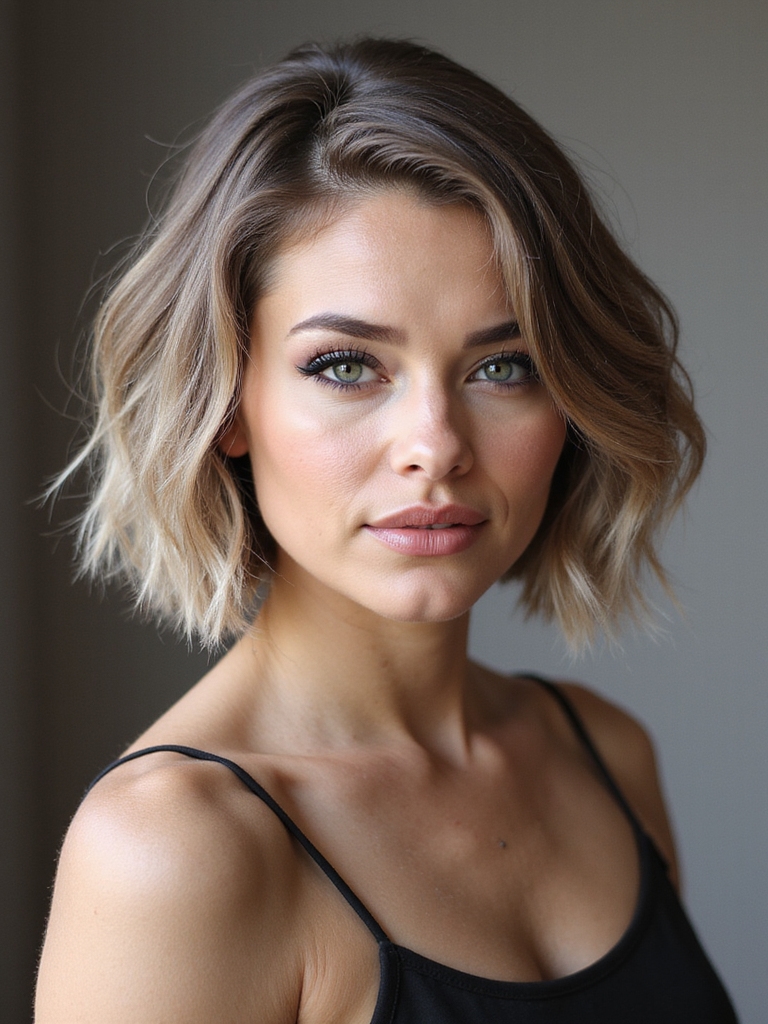
I love looking at celebrity inverted bobs for quick inspiration—those polished angles and soft layers show how chic fine hair can look on a red carpet.
I’ll point out a few iconic celeb looks and then translate their techniques into simple, everyday styling you can try.
Let’s grab a few real-life tips that make the same shape work for thinner hair.
Celebrity Inverted Bob Looks
Spotting celebrity inverted bobs always gets me excited because they show how flattering this cut can be on fine hair — from subtly stacked napes to soft, face-framing layers that add the illusion of thickness.
I love noticing how stars personalize the shape; it feels like a style lesson.
- Sleek, tapered back with shine
- Tousled, textured ends
- Side-swept, soft fringe
Everyday Real-Life Styling
Seeing how celebrities wear inverted bobs gives me ideas I actually use on busy mornings: I copy the sleek, tapered back when I need polish, borrow tousled ends for weekend texture, and soften my face with a side-swept fringe on days I want a low-effort lift.
I mix salon tips with easy tools—texturizing spray, a round brush, quick blowouts—to keep fine hair full and effortless.
I know you might worry an inverted bob will look limp on fine hair, but imagine this: soft stacked layers at the nape lifting like a gentle crown, face-framing strands and feathered ends that catch light, and a few weightless products giving airy hold. With the right cut, length and texture, it feels effortless—modern, chic and undeniably you.
Trust the shape; you’ll see more movement, more volume, and a fresher reflection every morning.