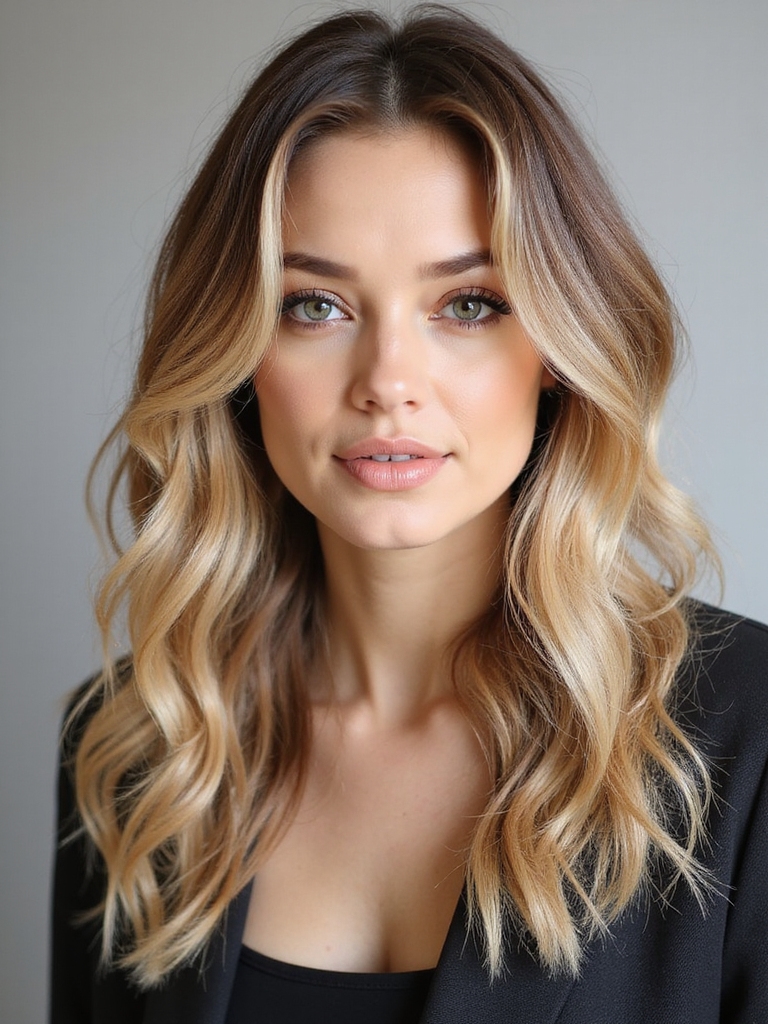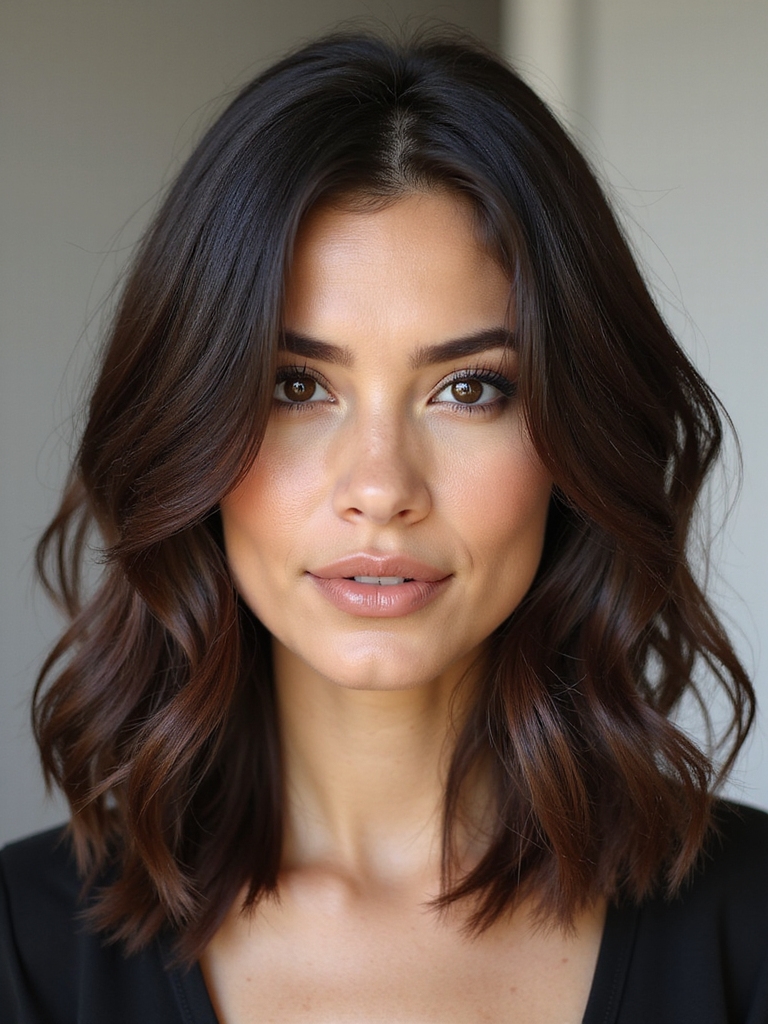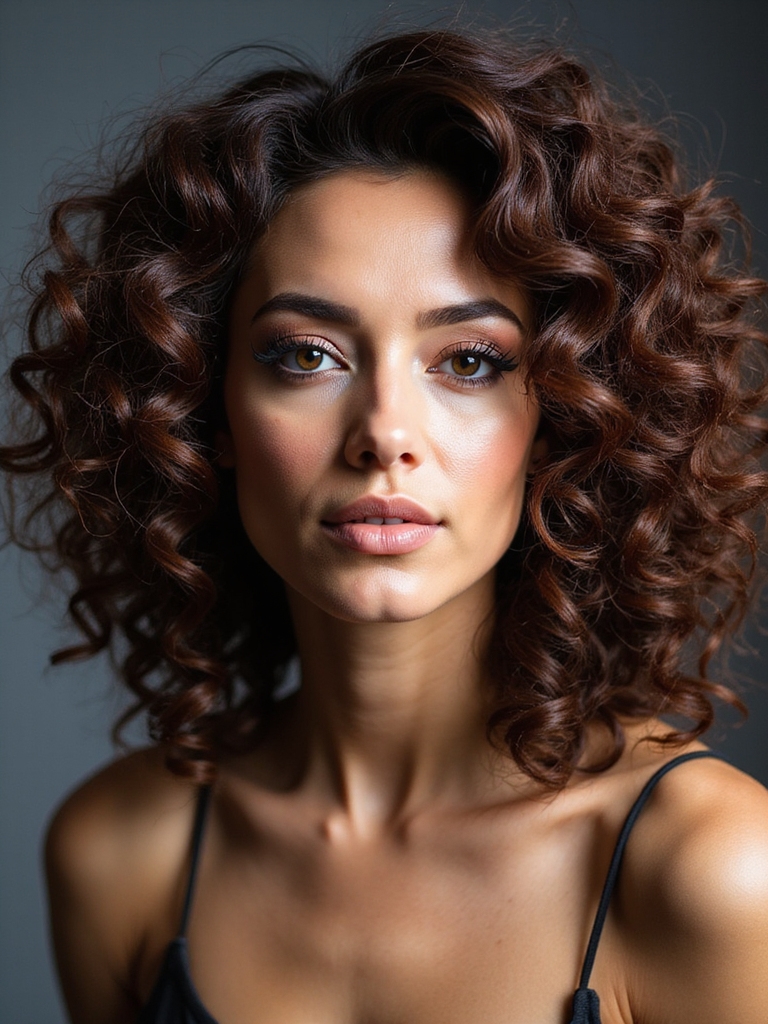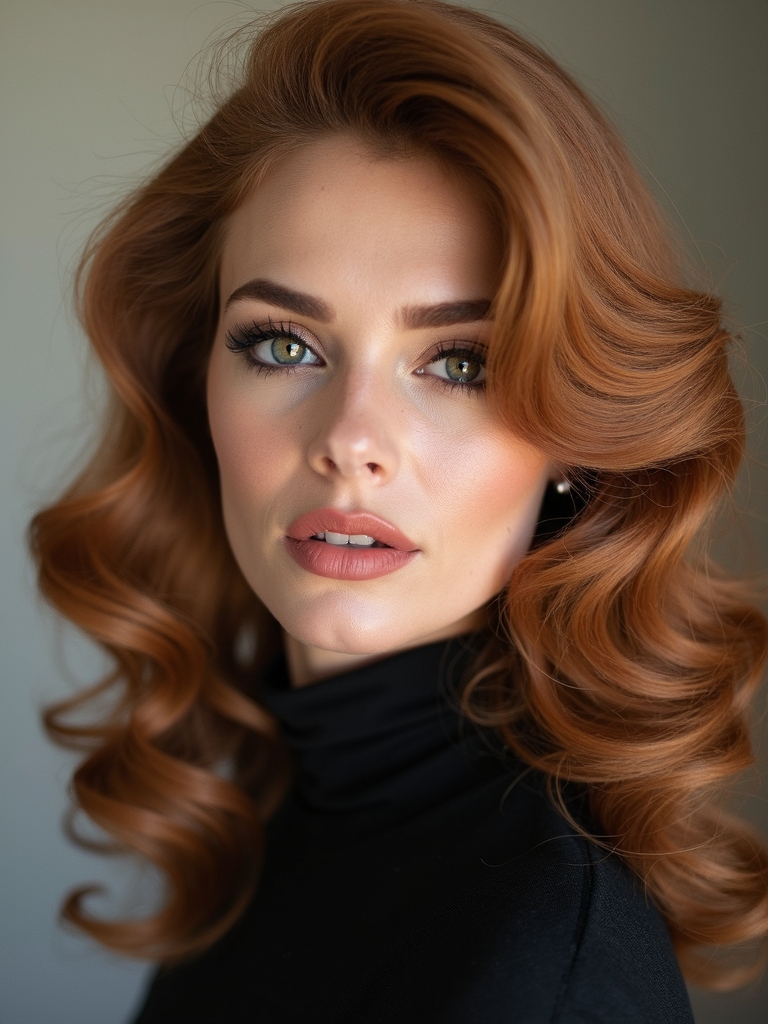
I’ve always believed that ’60s layered hair captures something we’re still chasing today—that perfect blend of polished and effortless. If you’re drawn to the sharp geometry of a mod cut or the textured rebellion of a shag, these styles offer more than nostalgia.
They’re actually incredibly wearable. Let me show you how to find your perfect vintage silhouette and make it work for you now.
The Mod Cut: London’s Revolutionary Style

How did a single hairstyle become the ultimate symbol of 1960s rebellion? I’ll tell you—the Mod Cut did it.
Born in swinging London, this geometric marvel featured sharp, angular layers that framed the face with precision.
You’d see it everywhere: on fashion icons, in music videos, defining an entire generation’s attitude.
It wasn’t just hair; it was revolution you could wear.
The look often echoed elements of the French Bob, a timeless short hairstyle known for its chic, structured lines.
The Classic Pixie Layer: Short and Sophisticated

I’ve found that the pixie layer‘s magic lies in how texturing and strategic layering create movement that’d otherwise be impossible with short hair alone.
You’ll want to master styling products that give you volume without weighing down those delicate layers, since the cut’s sophistication depends on that airy lift.
The real trick is considering your face shape—angular features sing with tighter layers around the crown, while softer faces benefit from textured, feathered pieces that frame and flatter.
Effortless styling often starts with choosing the right Pixie Cut for your hair type and daily routine.
Texturing and Layering Techniques
The pixie cut revolutionized what short hair could be—gone were the days when cropped styles meant losing dimension or personality.
I’d layer shorter pieces around your face while keeping length on top, creating movement that caught light beautifully.
Strategic texturing through point-cutting added lift and softness, letting you style it sleek or tousled.
That’s the magic—versatility packed into one chic, manageable cut.
This approach echoes the principles of the Layered Pixie Cut by focusing on dimension, texture, and versatility.
Styling Products for Volume
Once you’ve got those layers cut just right, the real fun begins—because the right product can transform your pixie from cute to absolutely striking.
I’d reach for lightweight mousses or volumizing sprays that won’t weigh down those delicate layers. Backcomb at the roots, then smooth the top layer gently. You’ll get that effortless, tousled texture that screams vintage sophistication.
Try a signature Short Pixie short pixie that showcases flattering layers and bold movement.
Face Shape Considerations
- Round faces: Longer layers create definition you’ll love
- Square jawlines: Soft, wispy layers soften angles beautifully
- Heart-shaped faces: Side-swept layers balance your proportions perfectly
I’m telling you—the right cut transforms everything. Don’t just chase trends; choose what celebrates *you*. Short pixie cuts offer timeless, low-maintenance glamour with effortless styling that suits many lifestyles.
The Face-Framing Bob: Timeless Elegance Redefined

If you’re seeking a hairstyle that captures the essence of 1960s sophistication with modern appeal, you’ll find it in the face-framing bob.
I love how this cut works for various face shapes—the layers fall naturally around your cheekbones, softening angles and highlighting your best features.
It’s the perfect blend of retro charm and contemporary versatility that’ll make you feel effortlessly chic.
Many stylists recommend customizing the length and layer placement to flatter different face shapes.
The Shag Cut: Texture and Movement Combined

I’ve found that the shag cut‘s magic really comes alive when you understand the layering techniques that create its signature texture and movement—the key is strategic placement of shorter layers throughout to encourage that tousled, lived-in look.
You’ll want to arm yourself with the right styling products, like texturizing sprays and lightweight pomades, that’ll help you enhance those layers without weighing them down.
The maintenance piece is honestly straightforward: regular trims every four to six weeks keep those layers sharp and prevent the style from collapsing into a shapeless mess.
The retro appeal of the look often draws from the iconic 70s shag and its effortless vintage vibe.
Layering Techniques for Movement
By the late 1960s, hairstylists weren’t just cutting hair—they’re revolutionizing how it moves. I’m showing you exactly how:
- Point-cutting techniques created texture that caught light and danced with every movement
- Strategic shorter layers at the crown added volume without sacrificing length
- Feathering methods blended layers seamlessly, giving you that effortless, tousled freedom
You’re not just getting a haircut—you’re adopting dynamic style. Modern shag guides often emphasize layering for volume as a foundational technique.
Styling Products and Maintenance
Those layering techniques we’ve explored? They’re worthless without proper maintenance.
I’ll tell you—texture spray’s your best friend for that shag’s movement.
Light pomade defines layers without weighing them down.
Blow-dry with a round brush, scrunching upward for volume.
Weekly trims keep those choppy ends sharp and intentional.
That’s how you preserve authentic 60s vibrancy.
The long shag benefits from soft, textured layers to enhance movement and modern vintage flair.
The Geometric Bob: Precision Meets Playfulness
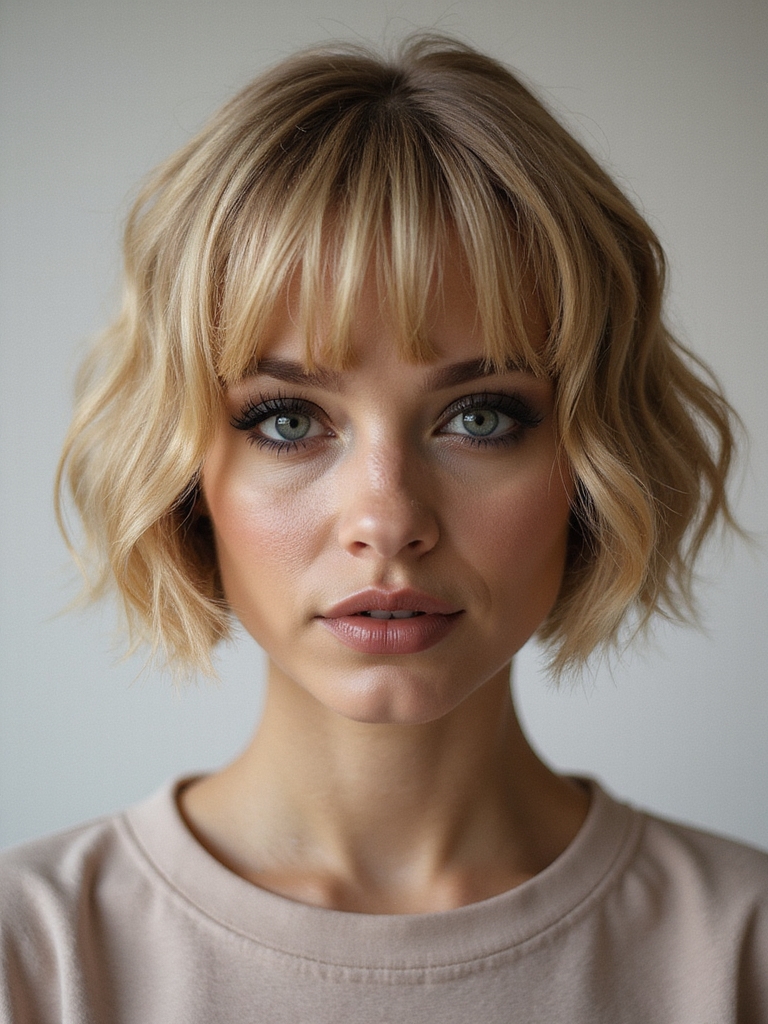
Envision this: sharp, clean lines framing your face, angles so precise they’d make a mathematician jealous, yet somehow impossibly fun and flirty.
I’m obsessed with how geometric bobs captured that mod revolution energy. You’ll love:
- Blunt-cut bangs that command attention
- Chin-length precision with strategic layering
- Sleek styling that screams sophisticated playfulness
This cut’s yours to own—it’s daringly simple yet utterly transformative. Geometric bobs often incorporate angled bob elements to enhance shape and movement.
The Feathered Wave: Soft and Romantic Layers
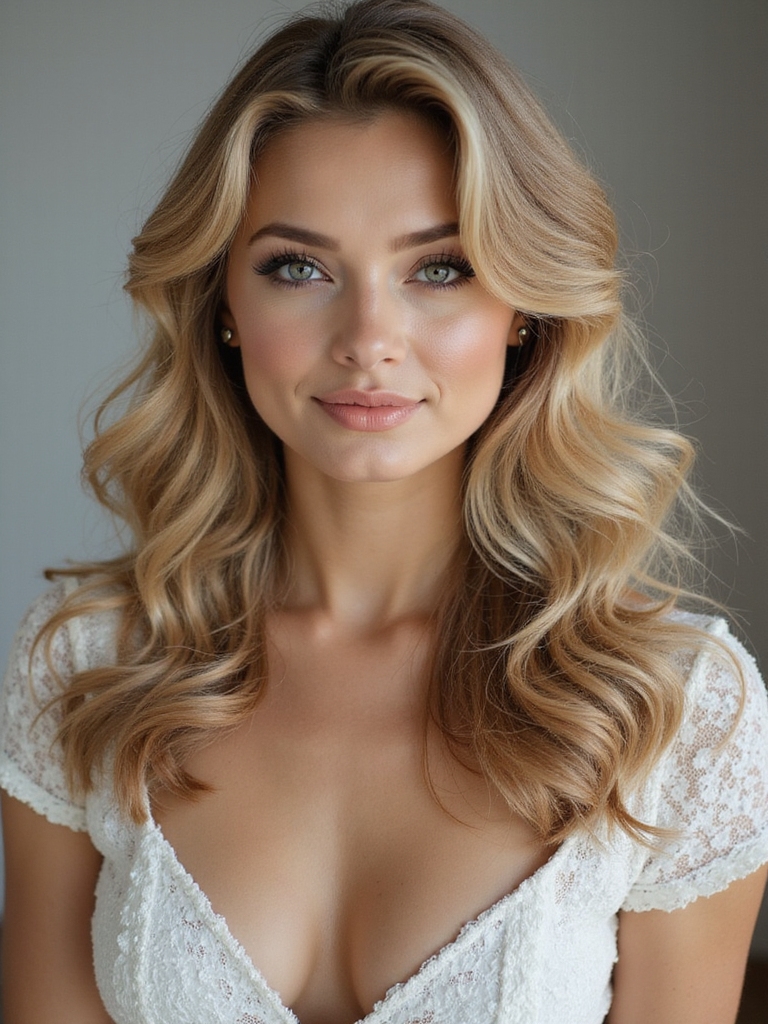
I’d love to show you how to create and maintain those soft, romantic waves that defined the era—because the magic’s really in mastering a few key styling techniques that’ll give your layers that coveted volume.
You’ll need to understand the right blow-drying methods and products that work with your hair texture, not against it, so those feathered layers fall just right.
Once you’ve got the wave down, I’ll walk you through the daily care routine that keeps your style looking fresh without spending hours in front of the mirror.
Styling Techniques for Volume
- Blow-dry sections upward for lift at the roots
- Use a round brush to curve ends softly outward
- Tease strategically beneath each layer for hidden volume
I’ve found this approach gives you that coveted fullness without damaging your hair.
Maintenance and Daily Care
Once you’ve mastered the styling techniques that give your feathered waves their signature volume, you’ll want to know how to keep that romantic, soft look fresh between salon visits.
I’ve found that gentle brushing and weekly deep conditioning treatments work wonders. You’ll also want to sleep on a silk pillowcase to prevent frizz and maintain those gorgeous layers.
The Mullet Layers: Business in Front, Party in Back

You’ve probably heard the joke a thousand times, but there’s something genuinely brilliant about the mullet’s audacious philosophy. It’s the ultimate 60s paradox—professional polish meets unbridled freedom.
- Sleek, structured crown for daytime sophistication
- Voluminous, feathered layers cascading down for evening drama
- Perfect balance between conformity and creative rebellion
The Asymmetrical Cut: Bold and Unconventional

I’m fascinated by how the asymmetrical cut challenged everything we thought we knew about balanced beauty—it’s where you’d see one side cropped short while the other flowed longer, creating that striking, almost rebellious silhouette.
What I love most is that styling these uneven layers wasn’t about achieving perfection; instead, you’d lean into the drama, teasing and flipping sections to emphasize that bold contrast.
You’d flip your head to one side, work some texture into those choppy angles, and suddenly you weren’t just following trends—you were making a statement.
Defining Asymmetrical Silhouettes
While the ’60s celebrated uniformity in many ways, the asymmetrical cut dared to break that mold entirely.
I’ve always admired how these silhouettes challenged conventions with their unbalanced lines and unexpected angles.
- One side cut shorter than the other
- Longer front pieces framing the face asymmetrically
- Geometric precision creating modern, edgy profiles
You’ll notice these cuts demanded confidence—they weren’t for the faint-hearted.
Styling Uneven Layers
Creating movement with uneven layers means welcoming the cut’s inherent drama rather than fighting it.
I’ve found that styling asymmetrical cuts works best when you lean into their boldness. Work with your natural texture, use texturizing products strategically, and let those shorter pieces frame your face. Don’t over-smooth—that’s where the sixties magic lives.
The Flip: The Ultimate ’60s Volume Statement

The flip’s rise to stardom during the 1960s didn’t happen by accident—it embodied everything that decade celebrated: optimism, boldness, and a deliberate break from the past.
- Voluminous crown with curved, outward-flipped ends
- Achieved through teasing, setting, and strategic backcombing
- Paired perfectly with mod fashion and bold eyeliner
I’d say the flip transformed ordinary hair into architecture—a statement piece that declared you were modern, confident, and absolutely unafraid.
The Bouffant Layers: Height and Glamour

If you wanted to command a room in the ’60s, bouffant layers were your secret weapon. I’m talking about gravity-defying height that screamed confidence and sophistication.
You’d tease your hair at the crown, smooth the top layer, and suddenly you’re channeling Jackie Kennedy‘s timeless elegance. It’s that perfect marriage of volume and polish that made you unforgettable.
The Blunt Layers: Modern Edge With Vintage Soul

While bouffants ruled with their towering volume, blunt layers offered something daringly different—a sharp, geometric precision that felt both retro and ahead of its time.
I’m drawn to how this cut challenged convention. You’d get:
- Straight-edged lines that framed your face boldly
- Texture without frizz or softness
- A rebellious sophistication that whispered confidence
This style? It’s pure 60s attitude wrapped in accessible elegance.
The Wispy Fringe: Delicate Dimension and Softness

Against the geometric precision of blunt layers stood an entirely different philosophy—one that welcomed softness and movement. I’m talking about wispy fringes that grazed your forehead with feathered grace.
You’d get that delicate dimension without sacrificing volume. It’s how we softened the decade’s boldness, creating an approachable elegance that felt both modern and timelessly romantic.
The Textured Crop: Androgynous and Chic

The textured crop emerged as the decade’s boldest rejection of femininity-as-default, challenging everything we’d been told hair should be. I love how this cut celebrated angles and movement—it wasn’t about softness anymore.
- Pixie-short precision that screamed confidence
- Textured layers catching light beautifully
- Freedom from hours of styling
You’d pair it with mod fashion and suddenly you’re unstoppable.
The Long Layered Waves: Bohemian Beauty Inspired

Just as the textured crop claimed boldness, long layered waves offered something equally revolutionary—a way to be feminine without conforming. I’m drawn to how these effortless waves embodied bohemian freedom.
You’d tease your roots, flip your head, and suddenly you’re channeling that carefree spirit. It’s the hairstyle that whispered: be yourself, unapologetically.
Styling and Maintenance: Keeping Your Vintage Layers Fresh

While those bohemian waves captured the spirit of liberation, keeping them looking effortlessly beautiful actually required some intentional effort on your part.
I’d recommend these essentials:
- Finger-wave your layers nightly with a light hairspray
- Use hot rollers weekly to refresh volume and movement
- Deep condition monthly to combat dryness from styling
You’ll maintain that coveted vintage bounce without sacrificing authenticity or spending hours at the salon.
You’ve got everything you need to rock authentic sixties layers that’ll turn heads. If you’re adopting a chic pixie, geometric bob, or textured shag, remember that these styles thrive on confidence and upkeep.
Regular trims keep those sculpted lines sharp, while the right products add that lived-in polish. So grab your teasing brush, channel that vintage spirit, and let your hair celebrate the era’s boldest energy.