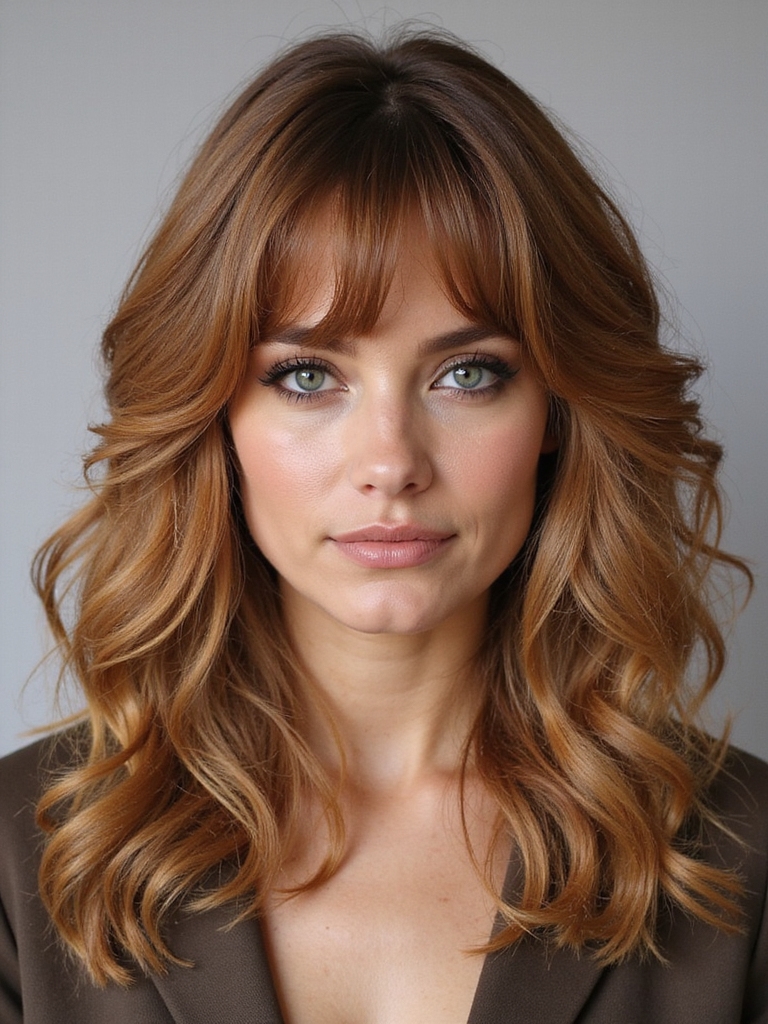
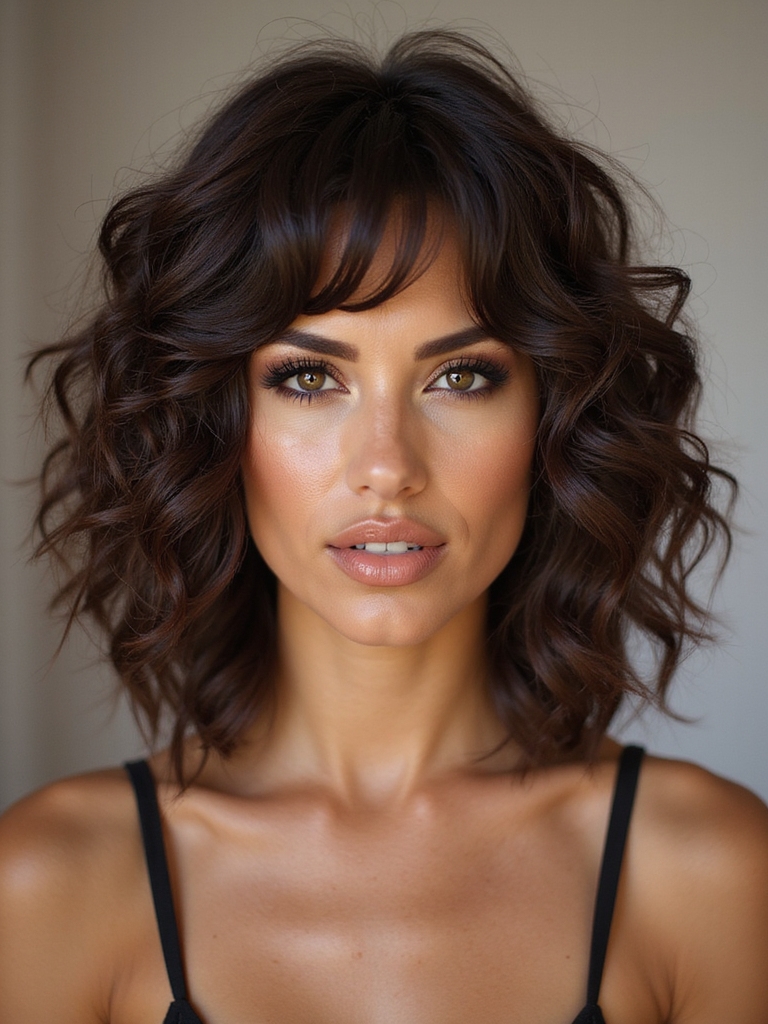
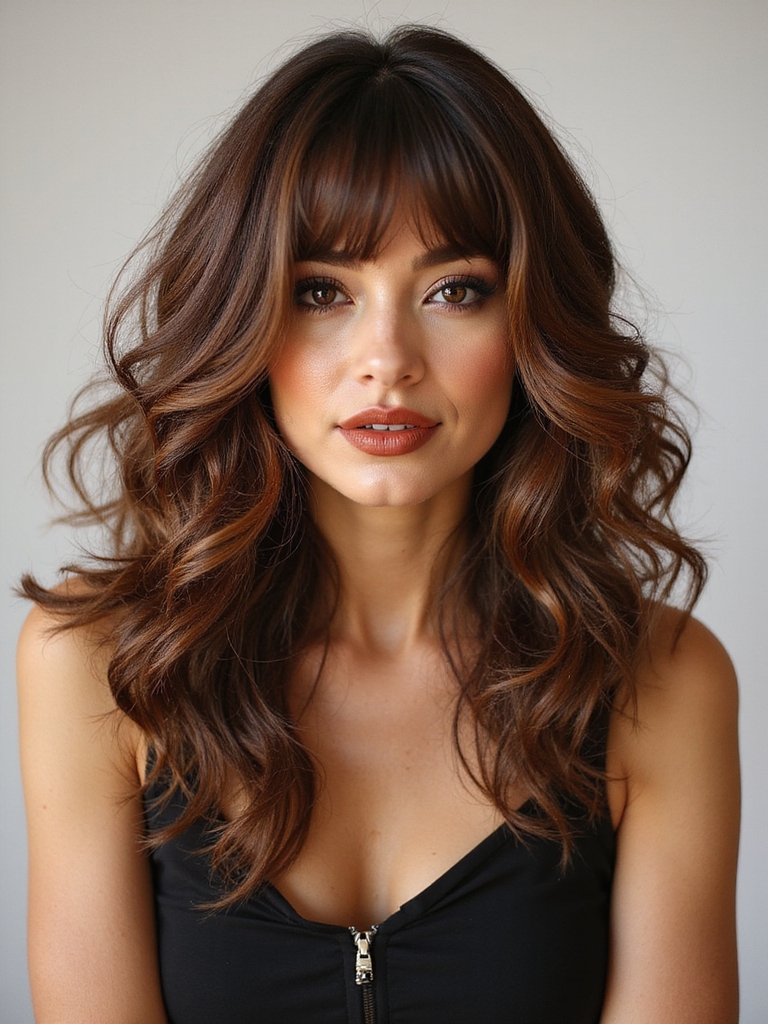
I’m going to let you in on a secret: you don’t need tons of hair to look like you’ve got volume. A soft shag does that magic trick beautifully. But here’s the thing—getting that effortless, weightless vibe isn’t actually effortless.
It takes strategy, the right techniques, and honestly, knowing what your stylist should (and shouldn’t) do. So what’s the difference between a shag that absolutely kills it and one that just feels flat?
What Defines a Modern Soft Shag
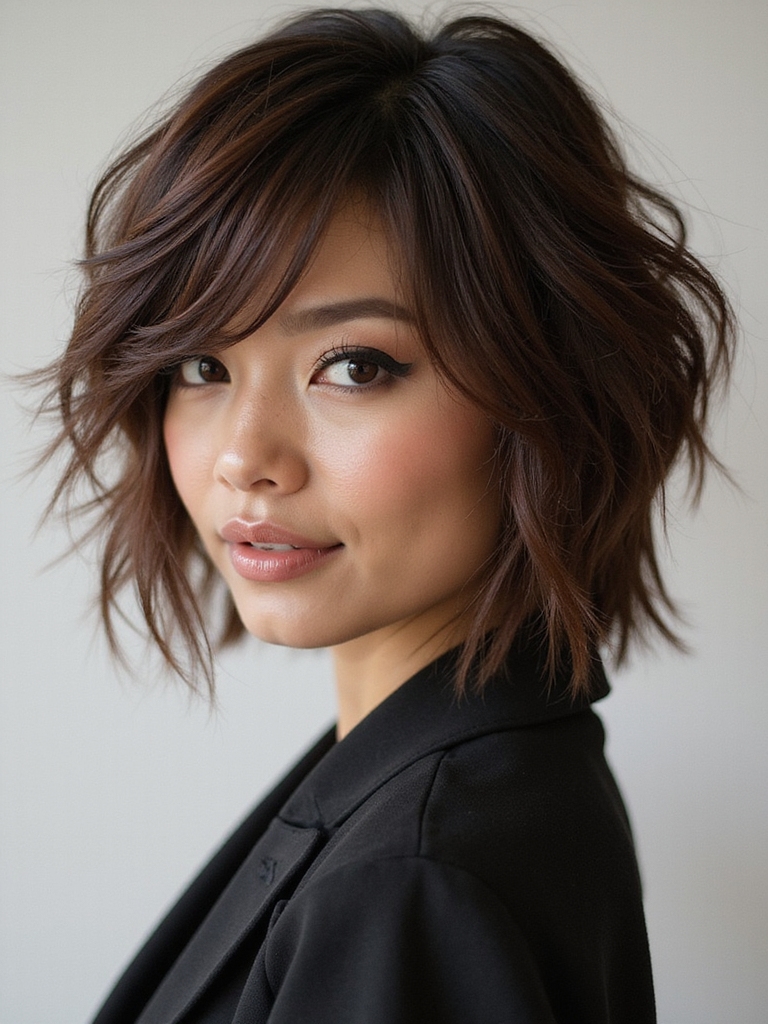
Imagine this: you’re scrolling through your favorite salon’s Instagram feed when you spot it—a haircut that perfectly balances that carefree, textured vibe with genuine sophistication.
That’s your modern soft shag. I’m talking about choppy layers that move naturally, tons of dimension without the maintenance headache, and a shape that flatters nearly every face.
It’s not your ’70s shag’s edgy cousin—it’s refined, current, and undeniably chic. Many stylists recommend adding soft shag layers to create movement while keeping length.
The Evolution From ’70s Shag to Today’s Refined Style
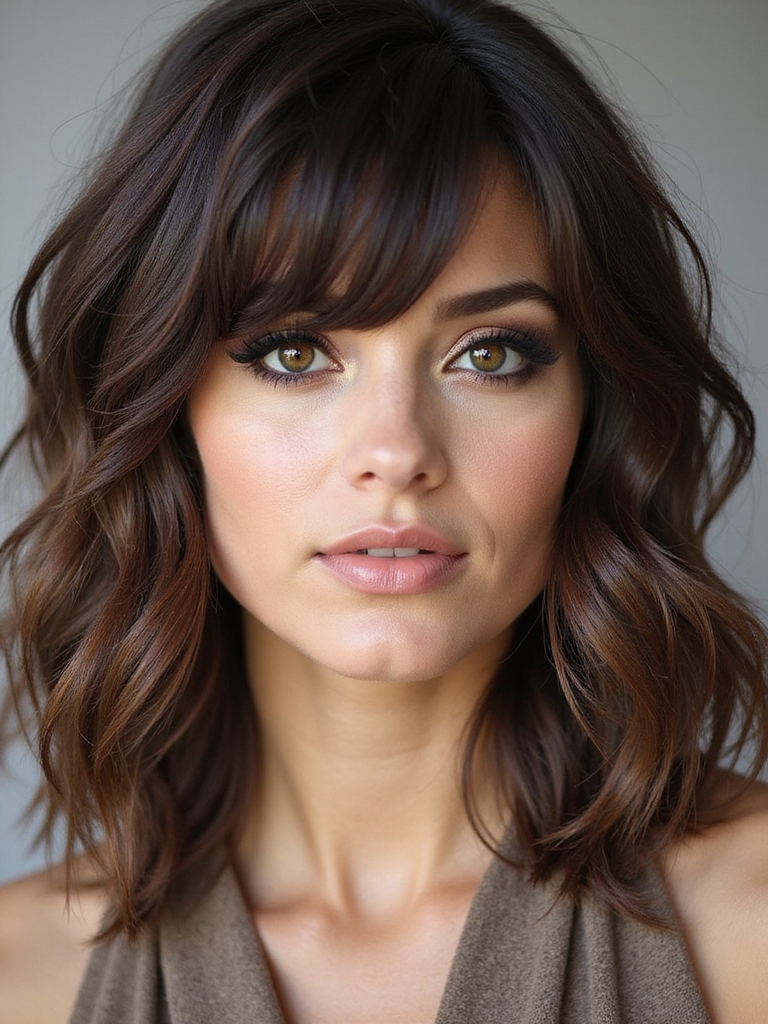
The shag’s journey from disco-era rebellion to today’s polished sophistication is pretty fascinating, honestly.
What started as bold, choppy layers has evolved into something way more intentional. We’ve ditched the heavy texture for movement that actually works with your hair’s natural flow. Today’s soft shag prioritizes wearability and elegance—it’s rebellious without screaming for attention.
The modern take often draws on the classic 70s Shag while refining its edges for a softer, more wearable finish.
How Layers Create Weightless Movement
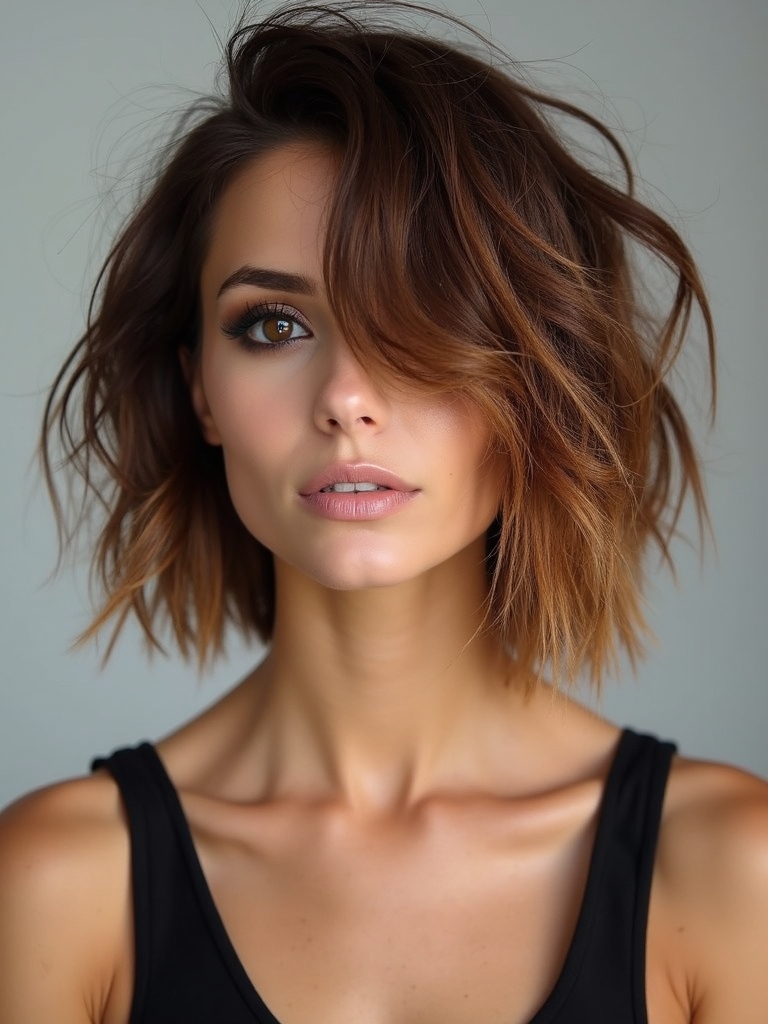
Once you understand how strategically placed layers work, you’ll see why they’re the secret sauce of modern soft shags.
I’m talking about:
- Shorter pieces framing your face
- Mid-length sections removing bulk
- Longer strands anchoring the cut
- Choppy texturing for movement
- Tapered ends that dance with every step
That’s weightlessness you’ll actually feel. A long shag blends relaxed volume with lived-in texture to create effortless long shag movement and shape.
Best Hair Types for a Soft Shag Haircut
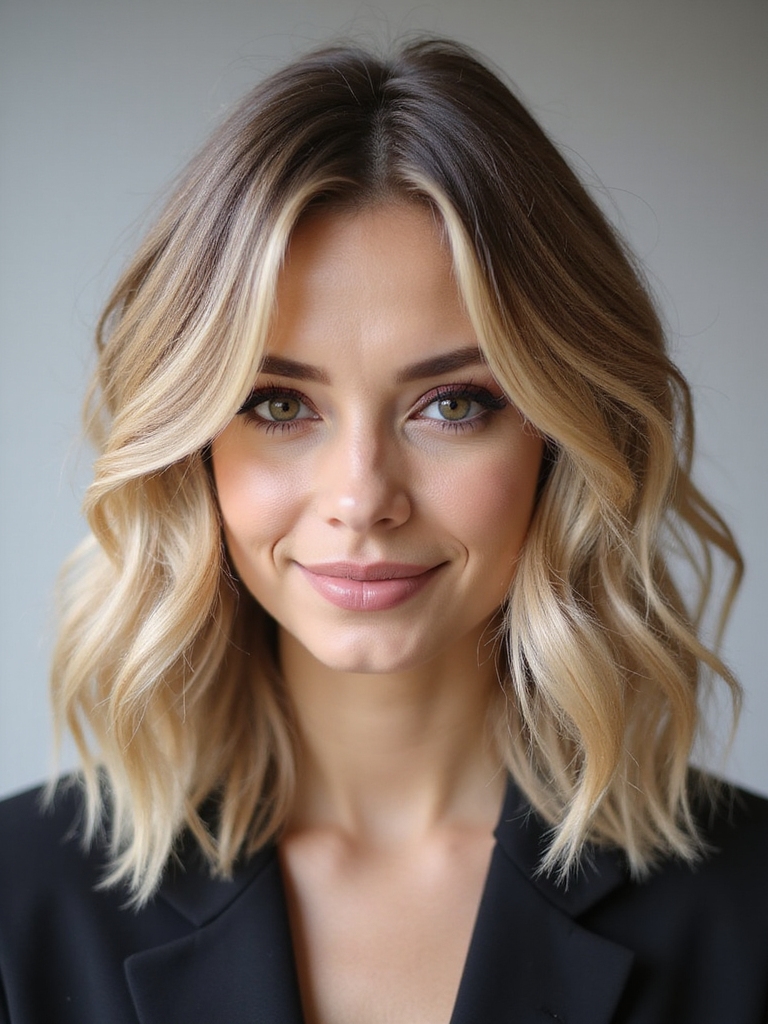
I’ve found that wavy hair is basically the shag’s best friend—those natural waves amplify the movement and texture you’re already creating with layering.
If you’ve got fine hair like I do, don’t worry; a soft shag actually works beautifully because the shorter layers prevent your strands from looking weighed down.
The key’s matching the cut to what you’re working with, and you’ll nail that effortless, lived-in vibe every single time.
A long shag offers modern versatility that keeps the look feeling fresh and effortless.
Wavy Hair Texture Benefits
Wavy hair’s got a serious advantage when it comes to rocking a soft shag, and honestly, it’s one of the best-kept secrets in the haircut world.
Here’s why I’m obsessed:
- Texture works withthe layers, not against them
- Movement happens naturally—no extra styling needed
- Waves create instant dimension and depth
- Your hair’s already doing half the work
- You’ll get that effortless, lived-in vibe we’re all chasing
Wavy shags enhance texture and movement so the cut looks dynamic from every angle.
Fine Hair Considerations
Maneuvering a soft shag with fine hair requires a slightly different strategy than what works for thicker textures, but here’s the good news—it’s totally doable and can look absolutely stunning.
I’d recommend asking your stylist for shorter layers that won’t weigh you down. You’ll want plenty of movement without sacrificing volume, so lighter texturing techniques work best for keeping that gorgeous, airy feel.
Working With Your Stylist: What to Communicate
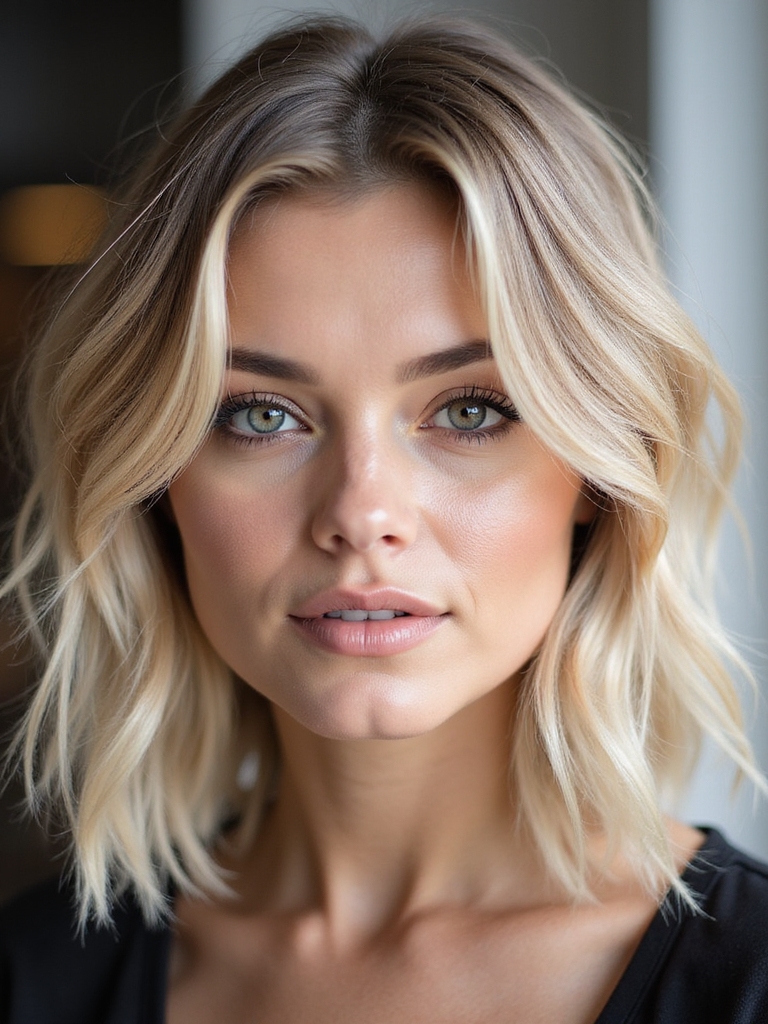
Because a soft shag’s success hinges on clear communication, you’ll want to arrive at your appointment prepared to articulate exactly what you’re envisioning.
- Show reference photos of styles you love
- Discuss your daily styling commitment level
- Mention any texture or movement preferences
- Describe your hair’s natural behavior patterns
- Ask about maintenance between appointments
You’ve got this!
The Importance of Texture and Dimension
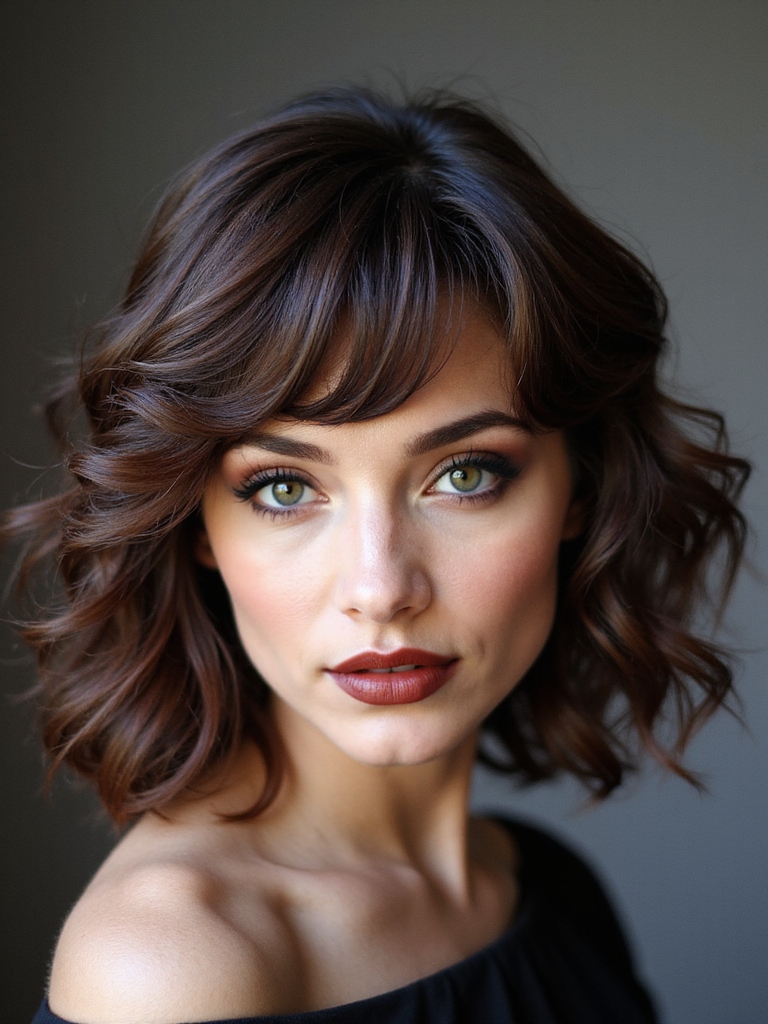
If you’ve ever wondered why some soft shags look absolutely stunning while others fall flat, I’ll tell you the secret: texture and dimension are everything.
They’re what transform a basic cut into something jaw-dropping. Layers create movement, highlights add depth, and subtle variations in length make your hair feel alive.
That’s how you get that coveted weightless, effortless vibe.
Styling Products That Keep Your Shag Fresh
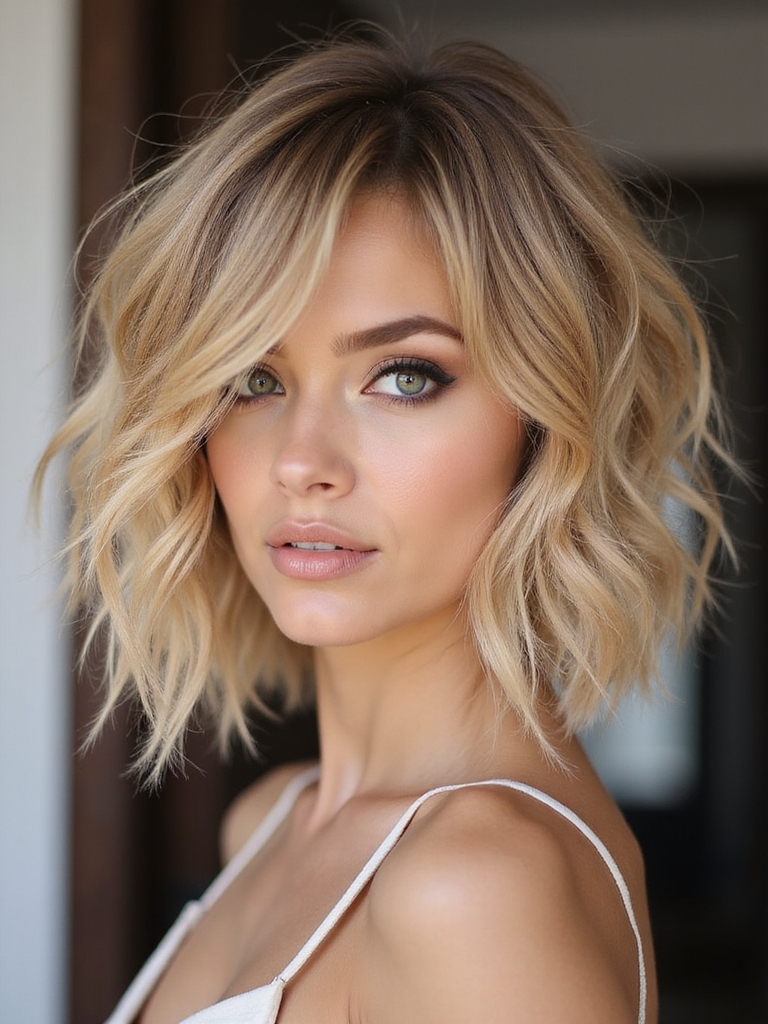
I’ve found that texturizing sprays and volumizers are total game-changers for keeping my shag looking lived-in and effortlessly cool between salon visits.
Leave-in conditioners work wonders too—they’re my secret weapon for defining those gorgeous layers without weighing them down. Together, these products let me refresh my shag whenever I want, so it stays soft and dimensional all week long.
Texturizing Sprays and Volumizers
Nothing keeps a shag looking effortlessly cool quite like the right texturizing spray or volumizer in your styling arsenal.
I’ve discovered these game-changers transform my shag instantly:
- Sea salt sprays create authentic texture and grip
- Dry volumizers lift roots without weighing hair down
- Texture powders enhance dimension throughout layers
- Lightweight mists define separation between strands
- Finishing sprays lock everything in place all day
Leave-In Conditioners for Definition
While texturizing sprays nail the volume and grip, leave-in conditioners are what actually keep your shag looking fresh between washes.
I’m obsessed with how they define each layer without weighing things down. They smooth your ends, enhance movement, and honestly? They’re the secret to that effortless, tousled texture everyone wants.
Your shag’ll thank you.
Daily Styling Techniques for Effortless Texture
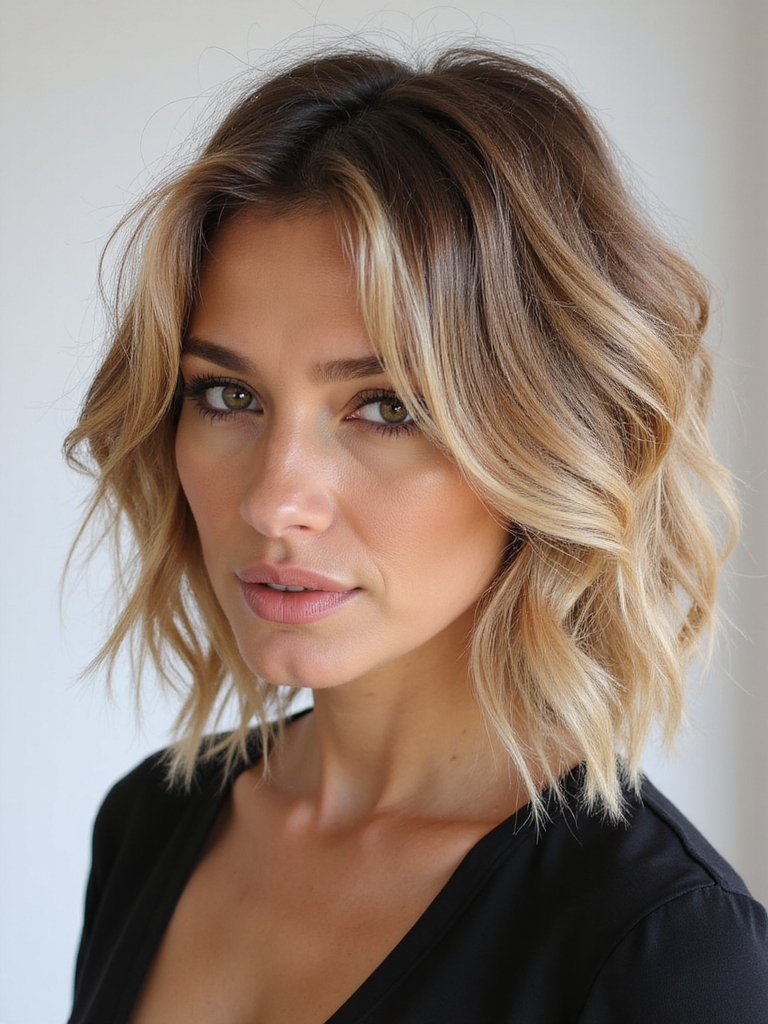
You’ll find that the beauty of a soft shag lies in its forgiving nature—it’s practically built for low-effort days when you’re short on time but big on style.
- Scrunch damp hair with your fingers for instant texture
- Flip your head upside down while blow-drying
- Tousle layers with a sea salt spray
- Rake fingers through for lived-in movement
- Adopt bedhead as your secret weapon
How to Maintain Your Shag Between Appointments
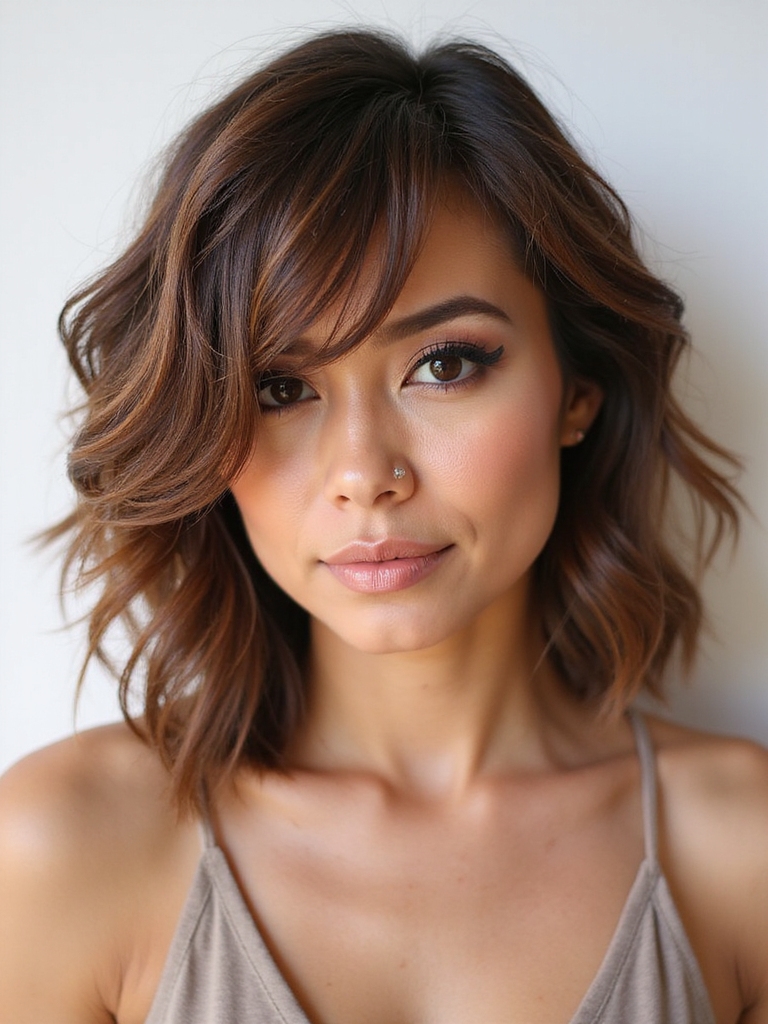
Since your shag’s whole appeal is that effortlessly tousled vibe, here’s the good news: you don’t need a salon visit every three weeks to keep it looking fresh.
I’ve found that regular texturizing sprays, a lightweight leave-in conditioner, and occasional trims every six to eight weeks maintain that perfect shaggy shape.
Honestly, messy is the goal—embrace it!
Soft Shag for Fine and Thin Hair
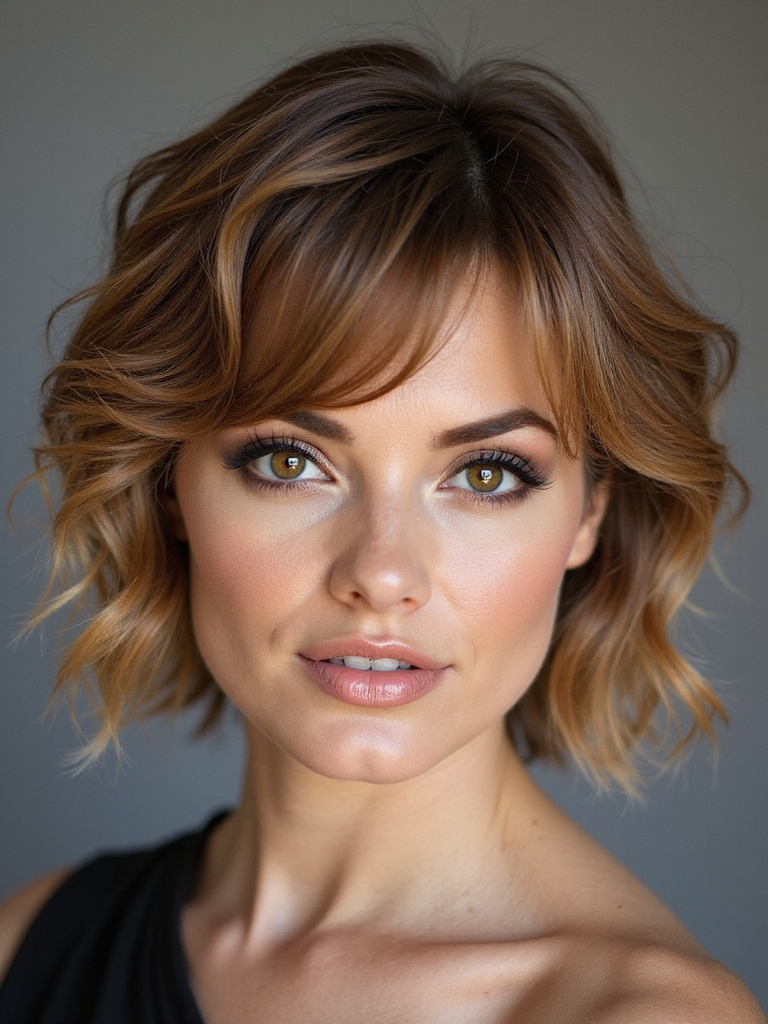
If you’ve got fine or thin hair, a soft shag might seem risky—but I’m here to tell you it’s actually one of the best cuts you can get.
Here’s why:
- Layers create movement without bulk
- Texturizing removes weight strategically
- Shorter pieces add volume at the crown
- Choppy ends feel feathery, not heavy
- You’ll finally get the dimension you’ve craved
Soft Shag for Thick and Coarse Hair
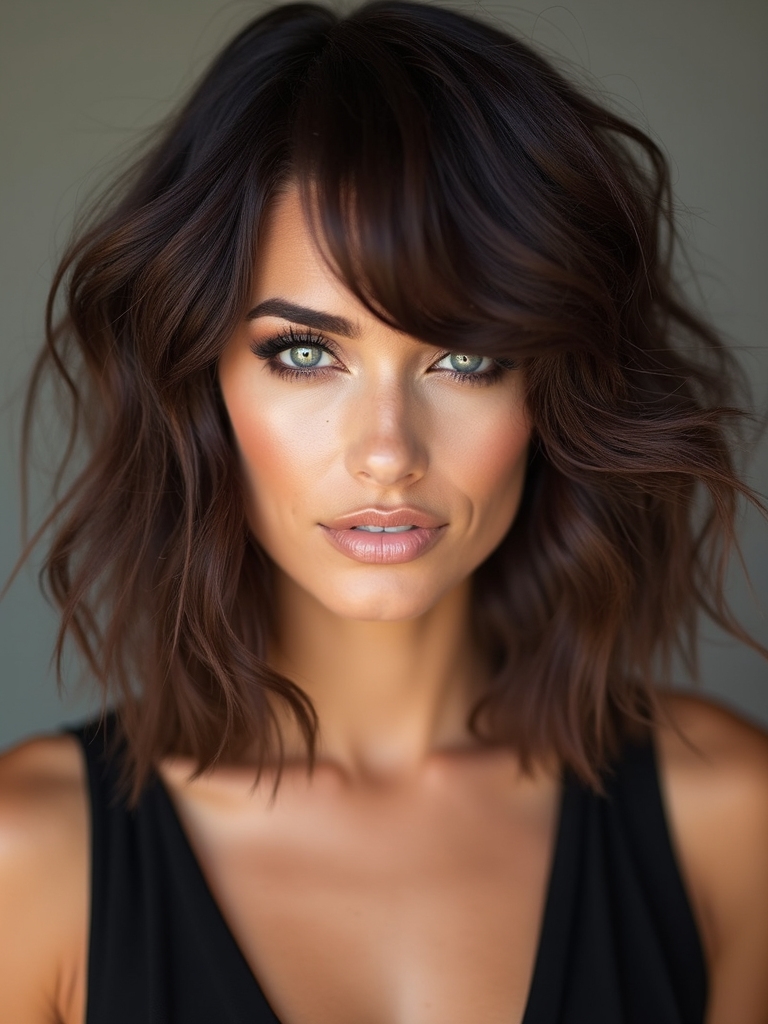
Thick and coarse hair’s got a reputation for being hard to manage, but here’s the secret: a soft shag is actually your styling superpower.
The layers work with your texture, not against it. You’ll get natural movement and dimension without fighting your hair’s natural tendencies.
Plus, you’re ditching that heavy, flat look forever. It’s a total game-changer for volume and style.
Soft Shag for Curly and Textured Hair
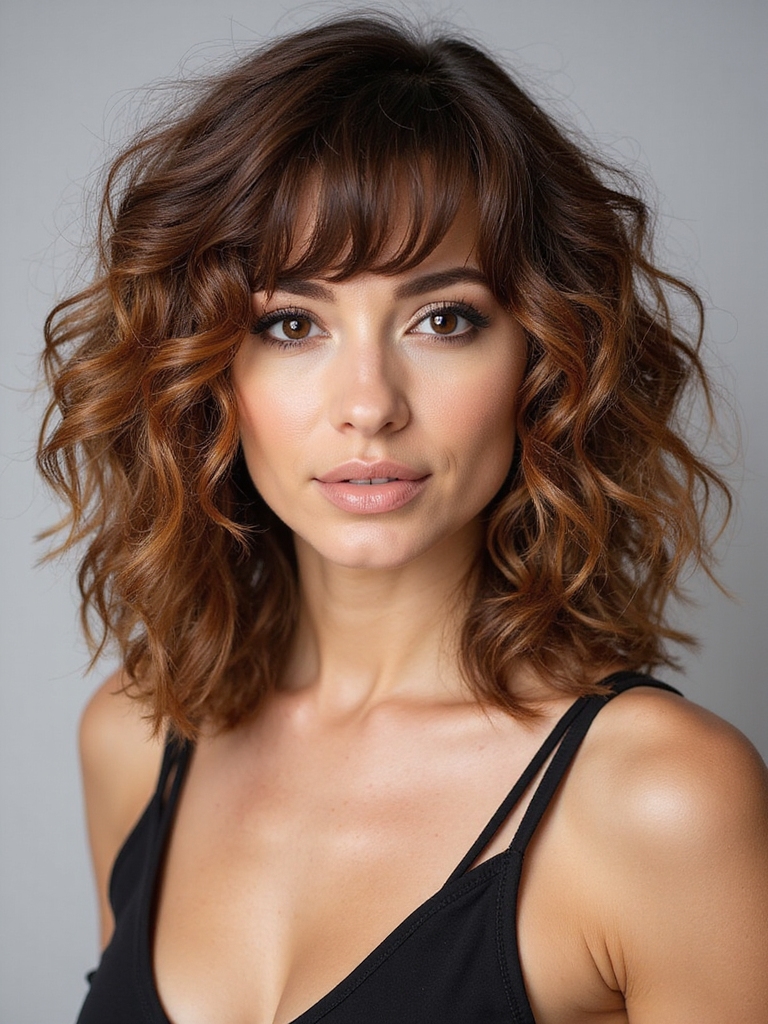
I’ve got to tell you—if you’ve got curls or texture, a soft shag is your secret weapon because it works *with* your natural pattern instead of against it.
I’m talking strategic layering that’ll enhance your curl definition, plus I’ll walk you through the maintenance game so your waves stay bouncy and gorgeous between salon visits.
Let’s explore how to make this cut work beautifully for your unique texture.
Enhancing Natural Curl Pattern
- Layers create movement and definition
- Your curls bounce with newfound freedom
- Less weight means more volume
- Each texture becomes a feature
- You’ll love your wash-and-go routine
Layering Techniques for Texture
Now that you’ve got the foundation of how layers boost your natural curl pattern, let’s talk about *how* to actually create those gorgeous, bouncy layers.
I’m talking strategic point-cutting and razor techniques that work *with* your texture, not against it.
We’ll focus on angles that encourage movement and prevent that dreaded triangle shape you’re trying to avoid.
Maintenance Tips for Curls
Getting those layers right is only half the battle—keeping your curls looking fresh and bouncy is where the real magic happens.
I’ve learned what actually works:
- Use a curl-defining cream weekly
- Deep condition every other wash
- Avoid touching your curls while drying
- Sleep on a silk pillowcase
- Refresh with a spray bottle between washes
Your shag’ll thank you!
Soft Shag for Straight Hair
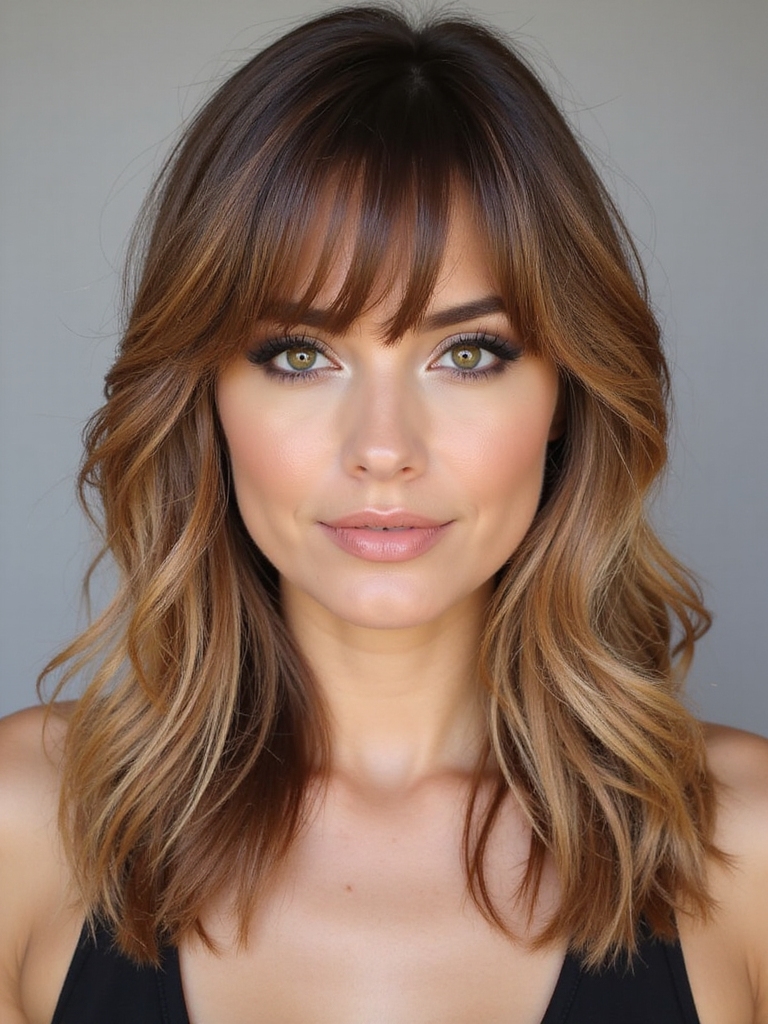
If you’ve got naturally straight hair and you’re craving some texture without the frizz factor, a soft shag is your answer.
The layered cut creates movement and dimension while keeping your strands looking sleek. You’ll get that effortlessly cool vibe without needing to blow-dry or style constantly. It’s basically the best-kept secret for straight-haired folks wanting low-maintenance drama.
Transitioning From Other Haircuts to a Soft Shag
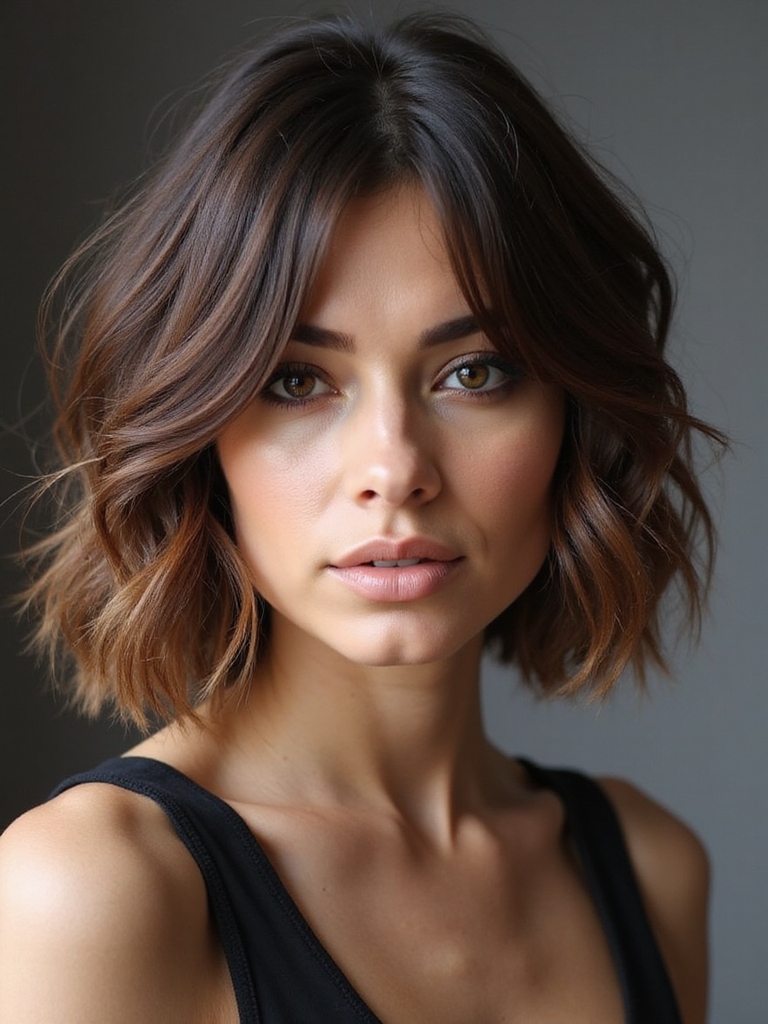
If you’re thinking about switching to a soft shag but aren’t sure where to start, I’ve got you covered with everything you need to know.
We’ll walk through evaluating what you’re working with now, nailing down the perfect consultation approach, and keeping your hair looking fabulous as it grows into that shaggy perfection.
Let’s make this change smooth and totally worth it.
Assessing Your Current Style
Before you dive headfirst into the shag chair, let’s talk about where you’re starting from—because your current haircut’s DNA matters.
- Blunt bobs need extra texture work
- Layers already present give you a head start
- Short pixies require strategic length-building
- Straight styles benefit from movement additions
- Damaged ends demand a fresh foundation
Your stylist can map the perfect progression plan!
Preparation and Consultation Tips
Once you’ve sized up your starting point, it’s time to get strategic about your transformation—and honestly, this is where the magic happens.
Bring reference photos showing the exact length, layers, and texture you’re craving. Chat with your stylist about your styling routine and hair texture. They’ll tailor the cut so it works with your hair, not against it.
Styling During The Transition
Growing out your current cut into a soft shag can feel awkward—those in-between stages are real, and you’ve gotta be strategic about managing them.
- Adopt textured products for grip and dimension
- Layer in extensions if you’re impatient
- Schedule trims every 6-8 weeks to shape growth
- Try half-up styles to disguise length gaps
- Experiment with braids and pins for creative coverage
Seasonal Styling Ideas for Your Soft Shag
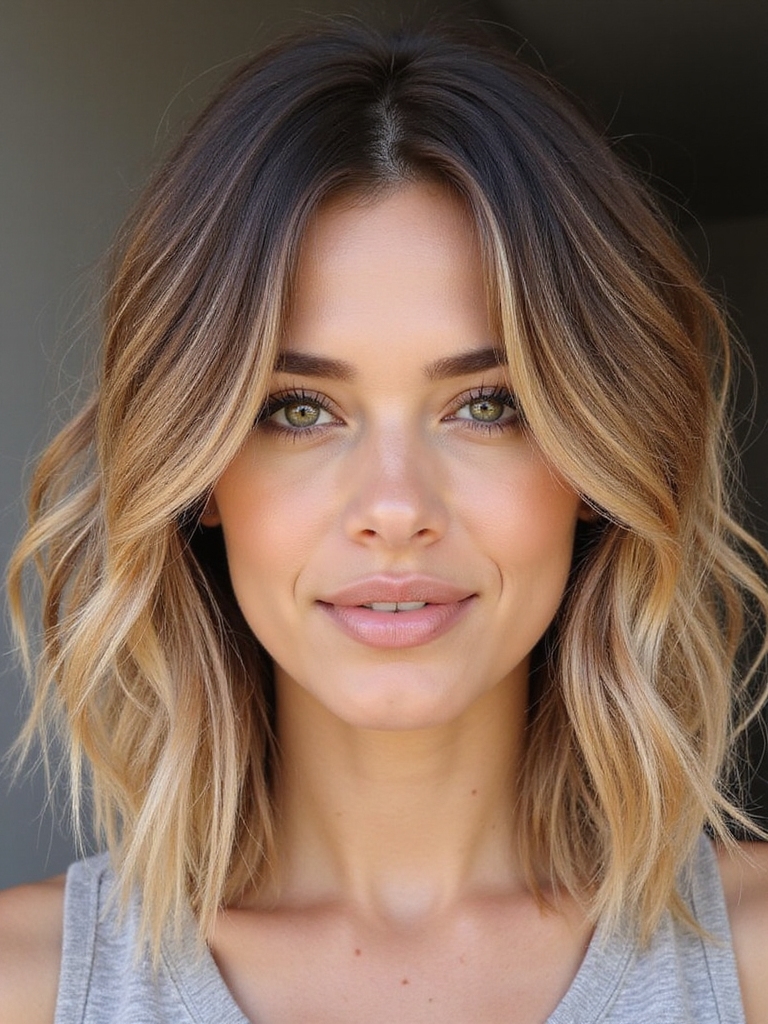
Your soft shag‘s versatility really shines when you lean into seasonal styling!
I love adding beach waves for summer’s carefree vibes, then switching to tousled texture with volumizing products for fall.
Winter calls for sleeker styling with side-swept layers, while spring begs for bouncy curls and face-framing softness.
Mix and match these approaches—your shag adapts beautifully throughout the year!
You’ve got this! A soft shag isn’t just a haircut—it’s your ticket to effortless, bouncy confidence. If you’re rocking waves or straight strands, you’ll love how it moves with you. Grab those texturizing sprays, book your six-week trims, and watch heads turn.
You’re about to become the person everyone asks for hair advice. Go get that weightless, lived-in look you deserve!