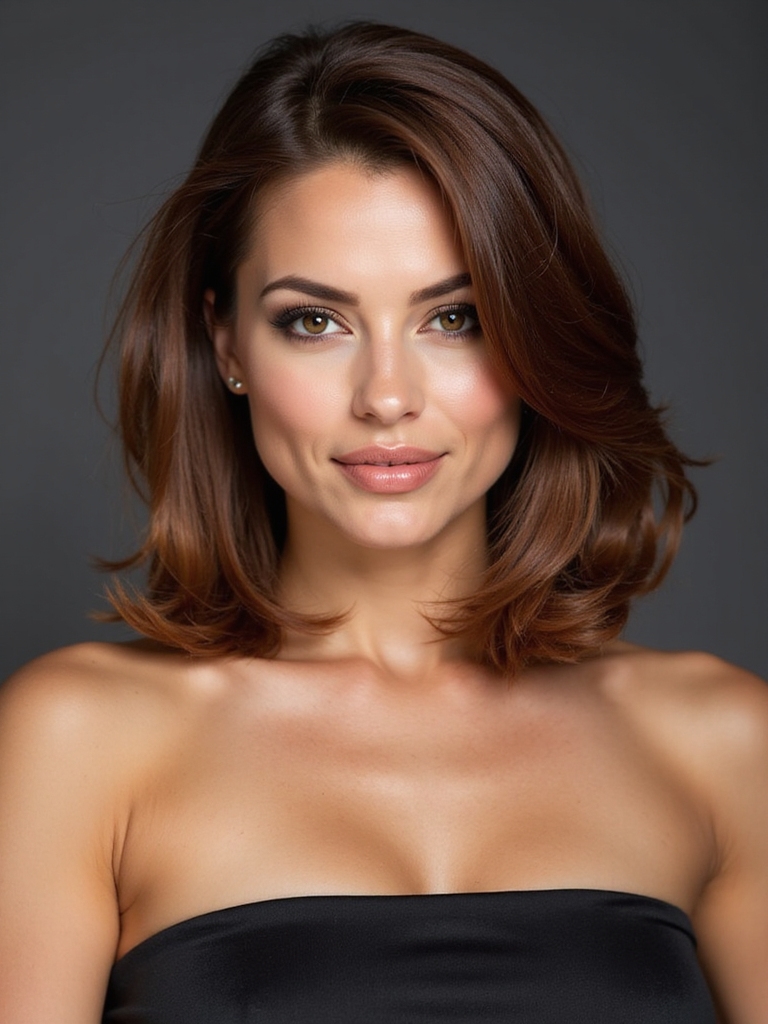
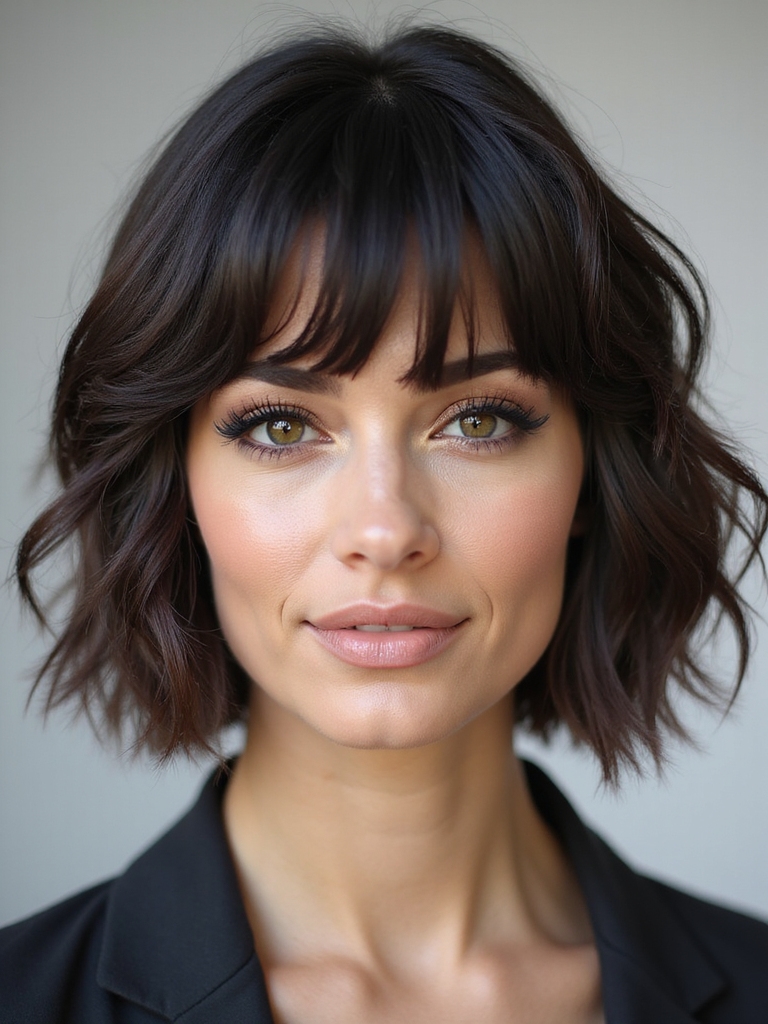
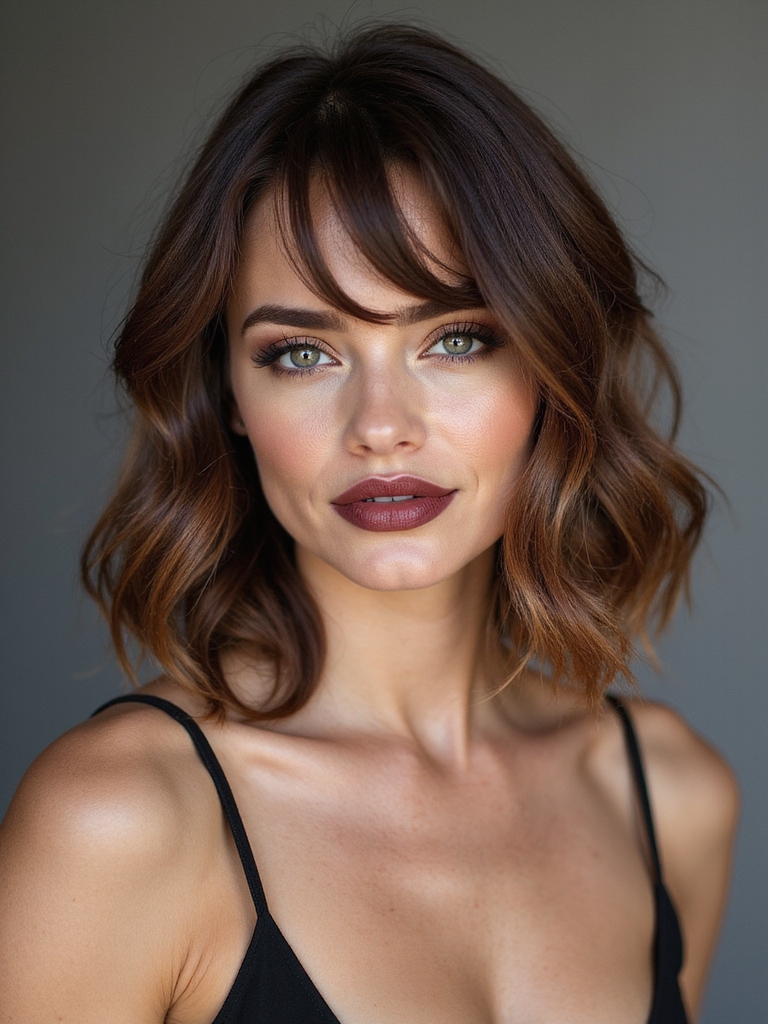
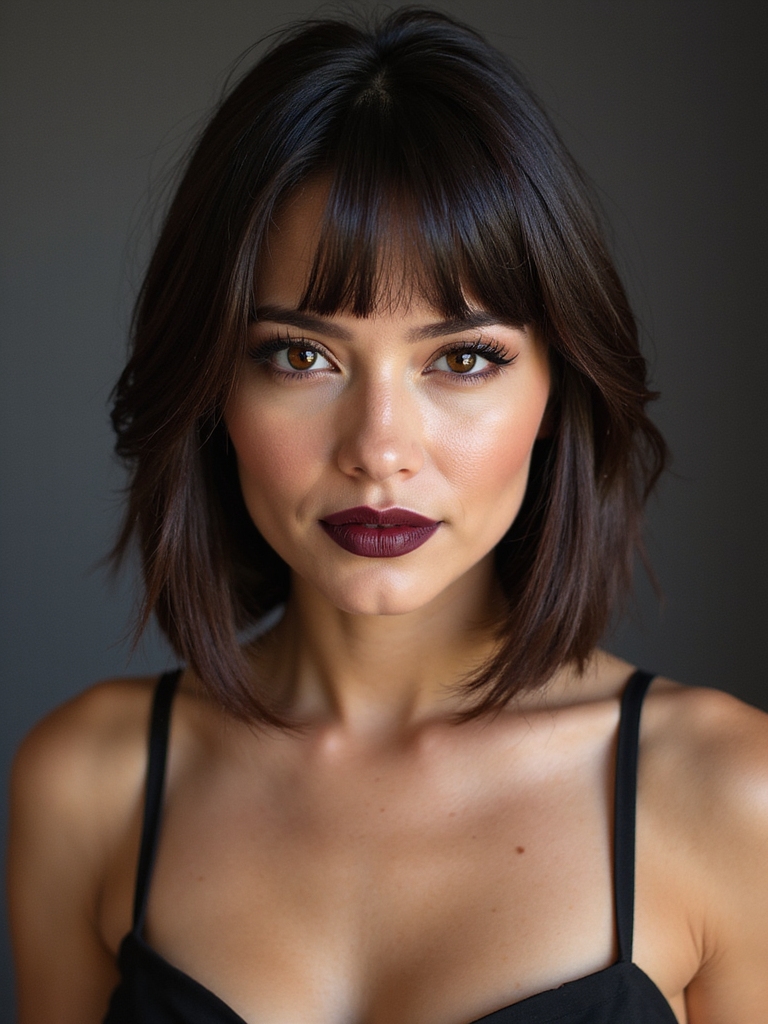
I love using carefully placed layers in a bob to make fine hair look fuller and moveable. I’ll add short, soft layers at the crown for lift, feather the ends so pieces float, and blend graduation for a rounded silhouette that catches light.
A stacked nape or discreet undercut gives extra root lift without bulk, while face-framing pieces soften features. Keep products light and you’ll get natural bounce — keep going and I’ll share styling and color tricks next.
Why Layering Works for Fine Hair
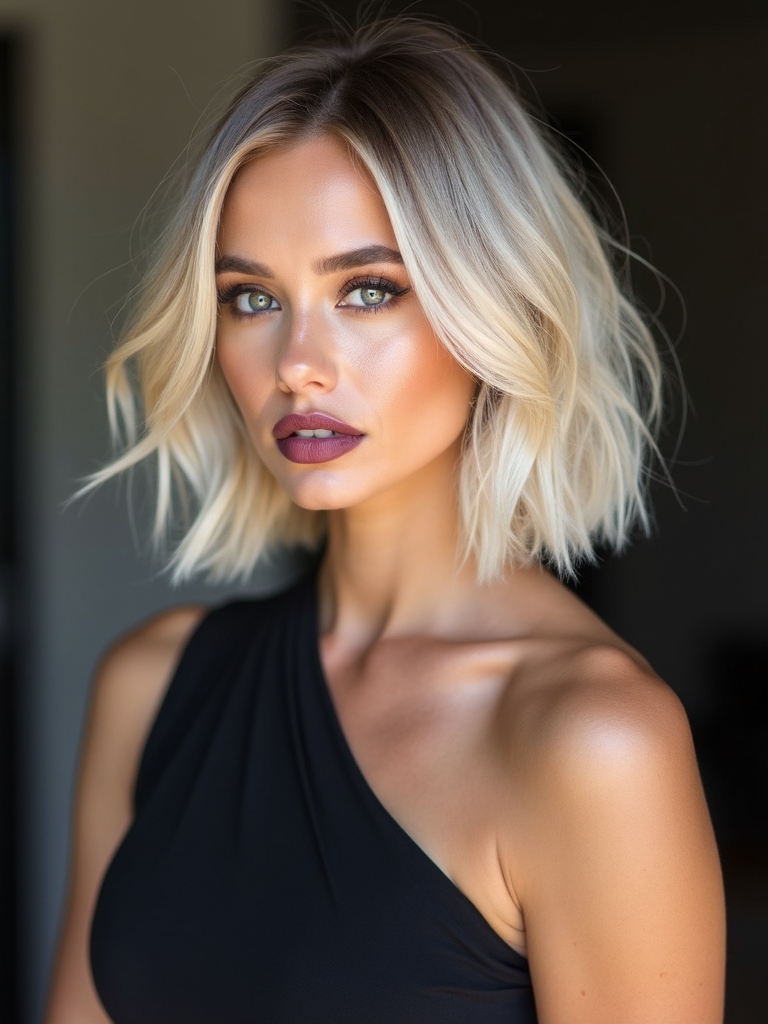
I’ll cut right to it: layering gives fine hair shape and movement without weighing it down.
I love how short, strategic layers create the illusion of volume at the crown and bounce at the ends. When light hits those cut surfaces, hair reads fuller.
I’ll show you cuts that lift, frame the face, and make styling quicker while keeping a soft, airy finish.
Layered bobs use stacked layers to add lift and create a rounded silhouette that maximizes body.
Soft Blended Layers for a Natural Finish
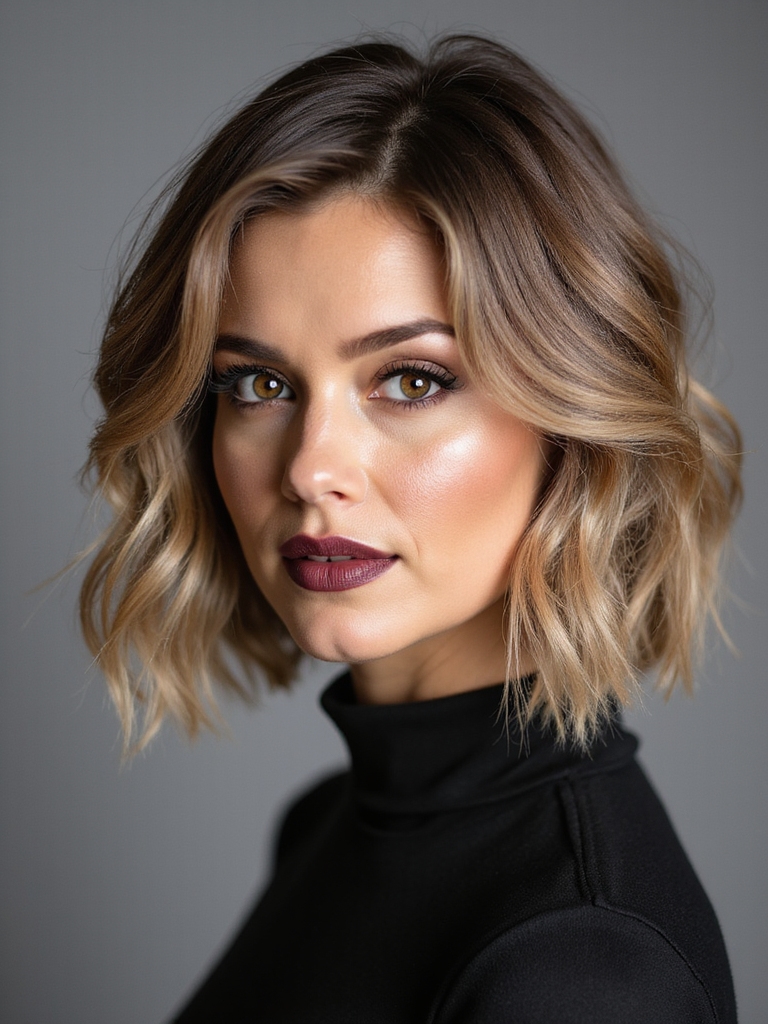
Often I reach for soft, blended layers when a client wants movement that feels effortless and natural. I trim into the bob with gentle graduation, softening edges so strands fall and catch light.
You’ll notice subtle volume at the crown and airy ends that don’t look chopped. Styling’s simple: a quick blow-dry and a round brush create a polished, wearable finish you’ll love.
Many stylists recommend textured medium cuts to enhance depth and movement in layered bobs.
Choppy Textured Bob for Modern Edge
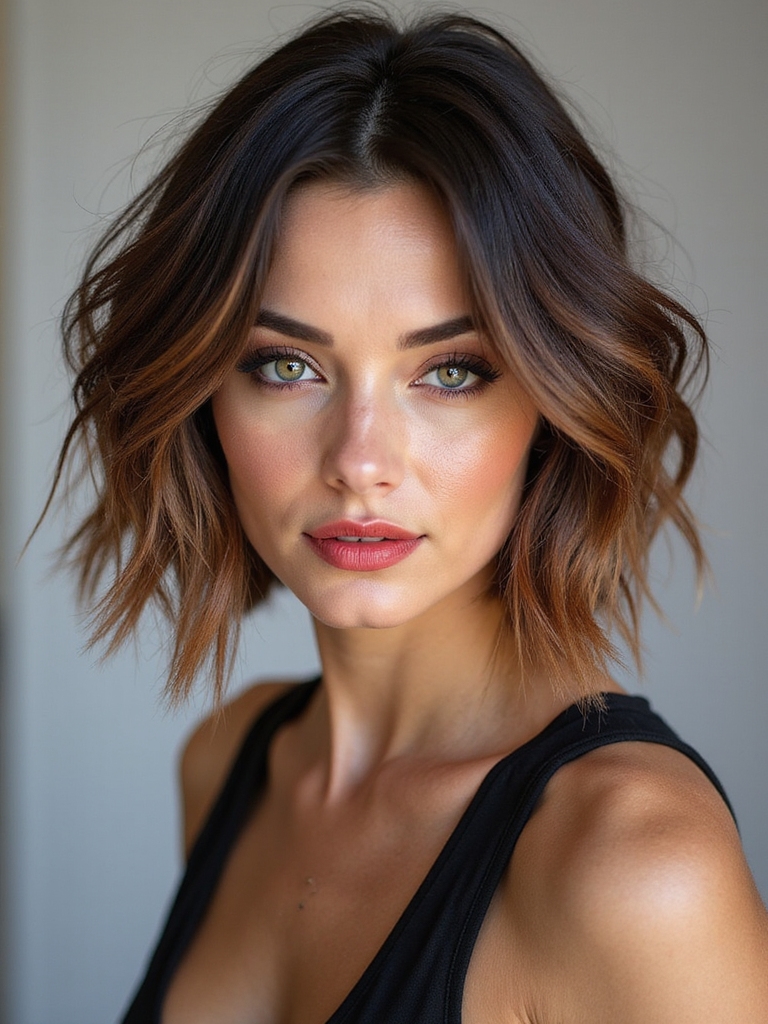
Try a choppy textured bob when you want an instant, modern edge that still feels wearable; I carve in uneven, razor-like layers to give the cut flicks, movement, and a lived-in finish.
I suggest tousled styling with a texturizing spray so strands separate and catch light.
It’s playful, low-maintenance, and flatters fine hair without relying on heavy weight or stacked shapes.
Textured shaggy bobs are a great reference for adding lively volume through layered, tousled shapes, especially when you work with textured shaggy bob techniques.
Graduated Bob to Create Visual Volume
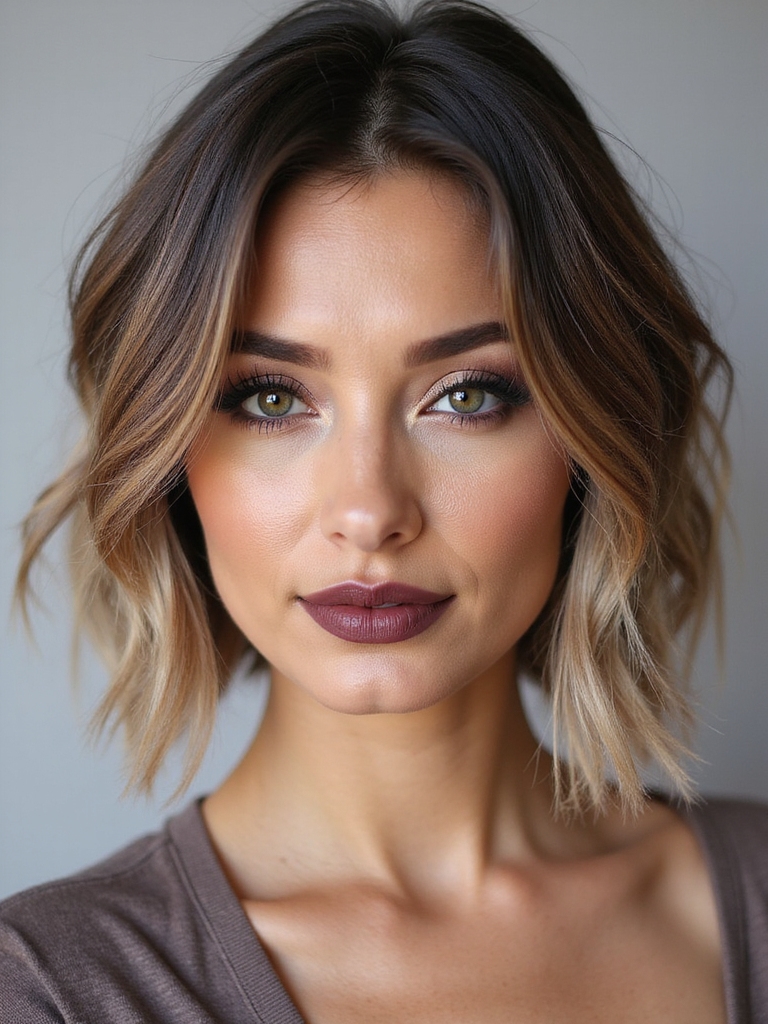
When you want fine hair to read fuller without adding weight, I use a graduated bob because its stacked back and longer front create a natural lift at the crown and a soft frame around the face.
I’ll shape and texturize to enhance movement:
- stacked back for volume
- longer front for balance
- soft graduation for lift
- light layering for bounce
A stacked bob also offers versatile styling options and modern edge when worn as a stacked bob haircut.
Face-Framing Layers to Enhance Features
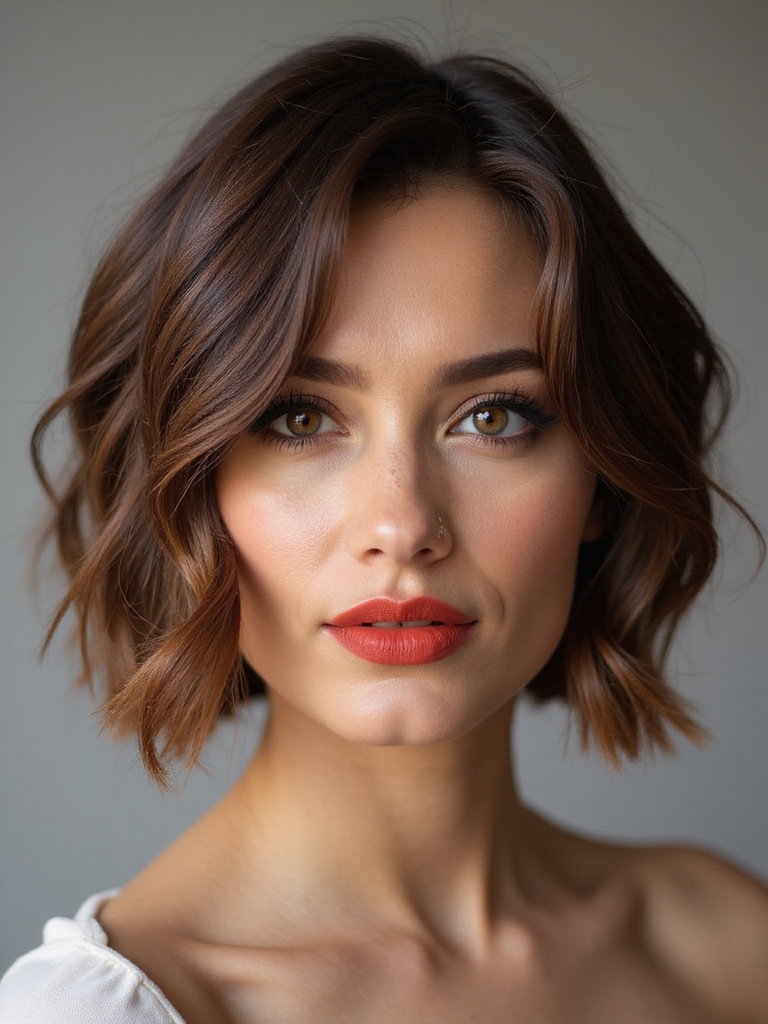
Because the right face-framing layers can lift your features and soften your silhouette, I place them to highlight cheekbones, slim the jawline, or draw attention to eyes depending on your face shape.
I suggest subtle, choppy lengths that curve toward the face, softening angles and adding movement. Together we’ll choose lengths and texture that illuminate your best features without overwhelming fine hair.
Voluminous Layered Bob ideas can be adapted to add body and dimension for delicate strands, creating a fuller look with strategic layering and shaping voluminous layered bob.
Short Layered Bob for Maximum Lift
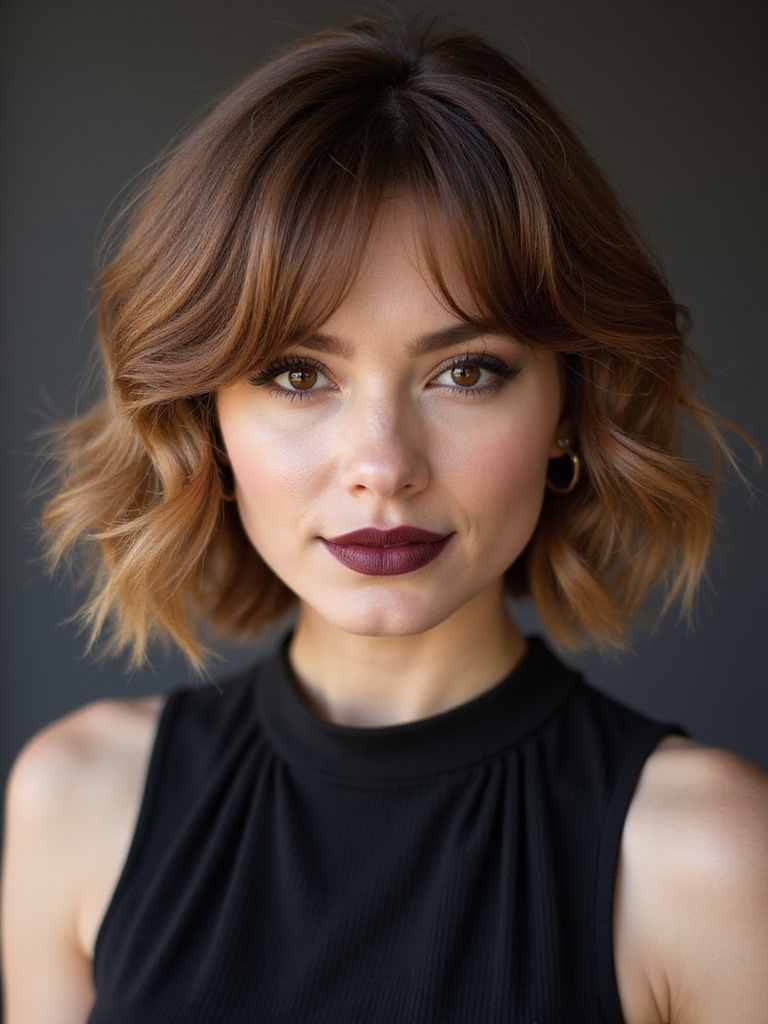
Lift a short layered bob right at the crown and you’ll see how instantly fuller fine hair can look; I picture soft stacked layers boosting height and bounce.
I guide you to imagine:
- cropped nape for lift
- graduated layers toward face
- textured ends for airy movement
- root-lifting blowout for lasting volume
I keep styling simple so mornings feel effortless and hair reads lively.
Long Layered Lob for Movement and Density
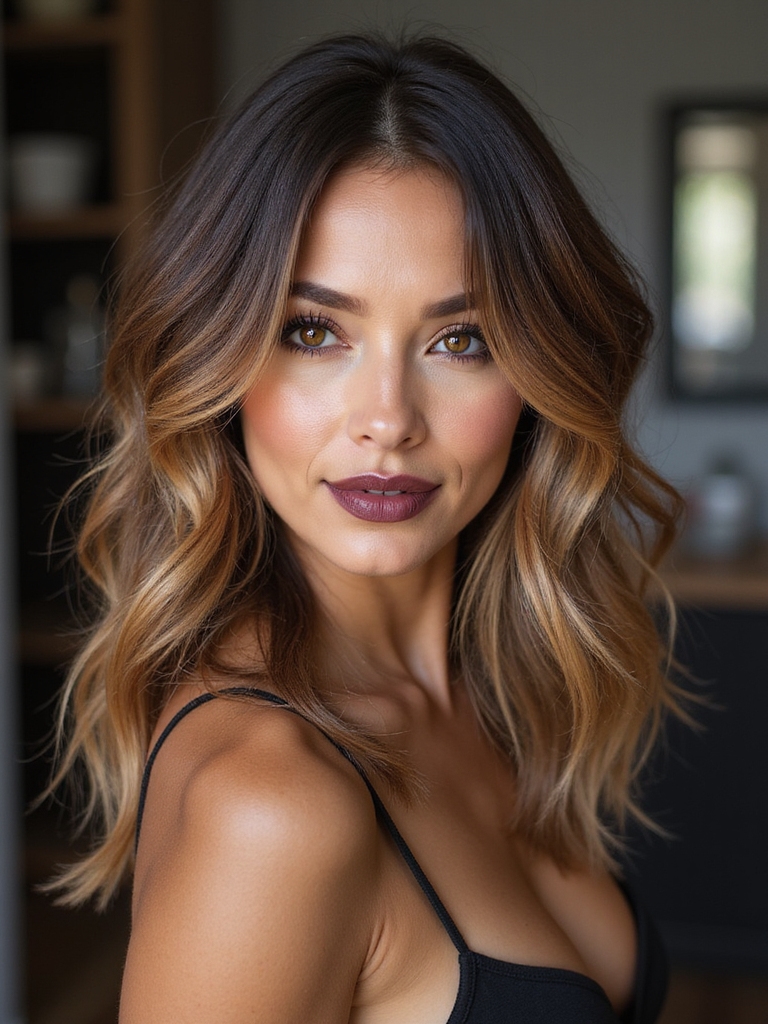
I love how a long layered lob lets face-framing pieces brighten your features while longer, weighty ends give the illusion of density where fine hair thins.
Picture soft layers around your face that move with you, balanced by thicker-looking ends that prevent a wispy finish.
I’ll show how to cut and style this shape so you get both movement and substance.
Face-Framing Layers
How do you keep a lob looking full without adding weight? I add soft face‑framing layers that flutter around my cheekbones, giving lift and movement.
They brighten features and create the illusion of density without bulk.
- wispy layers around the jaw
- slightly longer pieces at the chin
- subtle curtain bangs
- textured ends for natural bounce
Weighty Ends for Density
You can keep that airy face‑framing movement while giving the rest of the lob a bit more substance by adding weighty ends—I’ve found this trick lets hair swing with purpose rather than float away.
I ask my stylist for blunt, slightly weighted tips on longer layers so my lob reads fuller at the base, moves naturally, and still feels light around the face — simple, modern density.
Feathered Ends for Lightweight Bounce
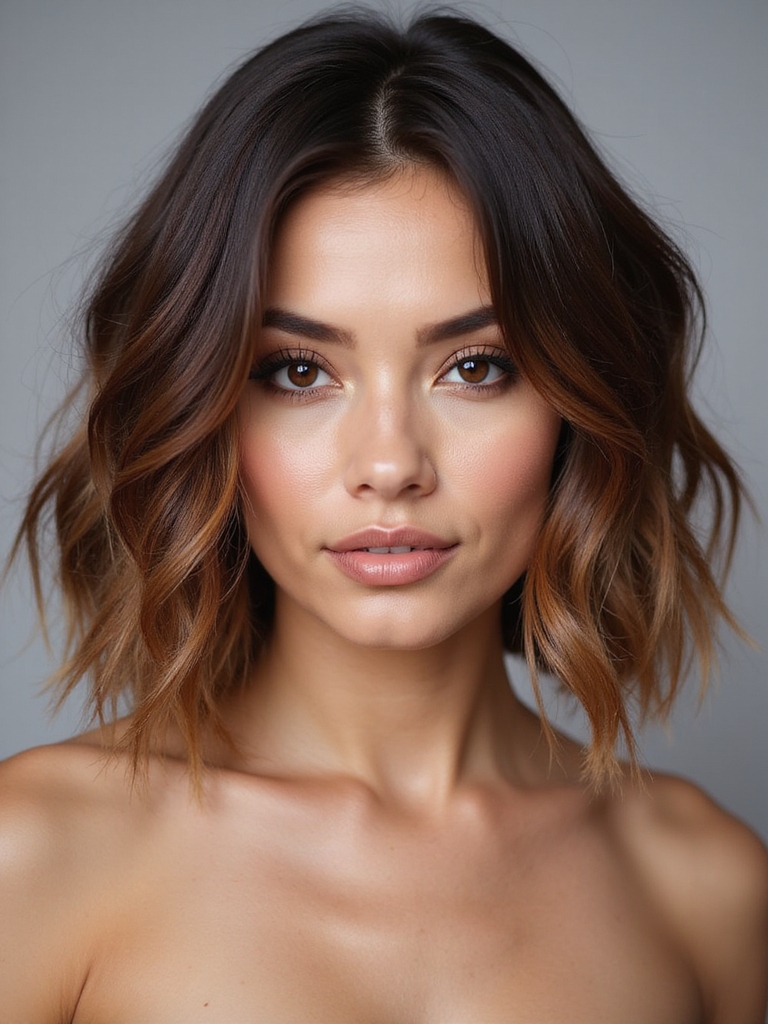
Let’s carve out feathered ends to lift a fine bob without weighing it down — I gently slice into the tips to create soft, wispy layers that catch the light and move with every turn of the head.
- Airy, tapered tips
- Gentle inward flip at the nape
- Soft curtain around the face
- Light, textured movement when you shake your head
Subtle Layers for Sleek, Polished Looks
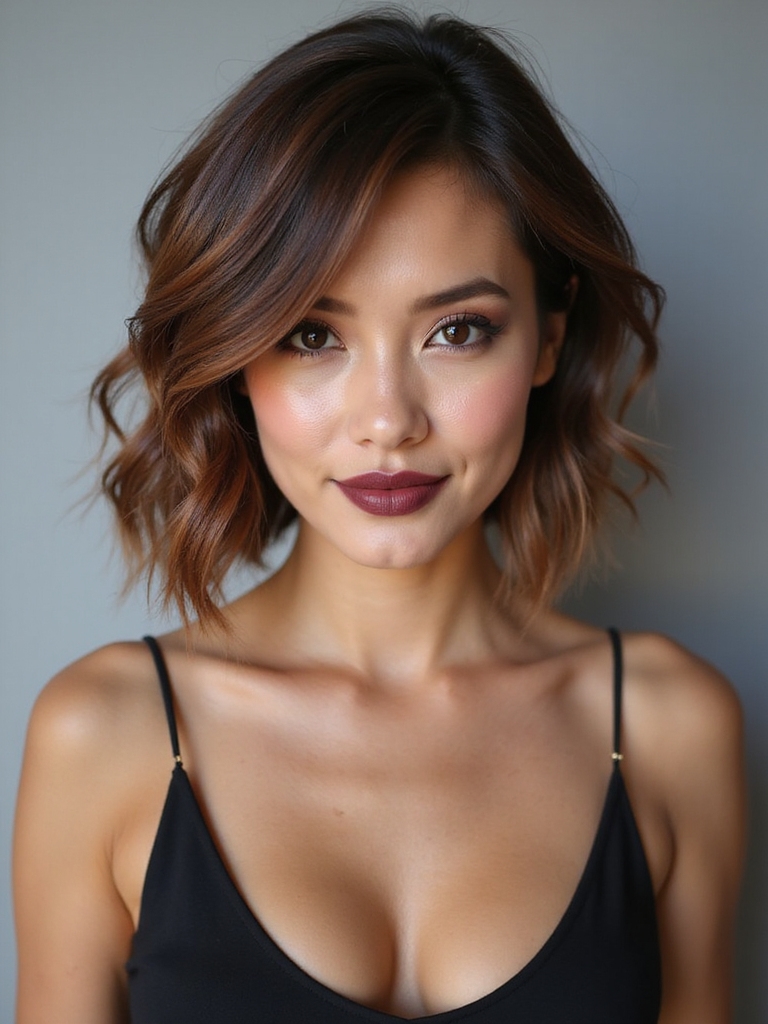
When I trim subtle layers into a fine bob, I aim for precision that keeps everything sleek while adding just enough movement to prevent a flat silhouette.
I create soft graduation at the nape and gentle face-framing pieces so hair glides, not Poofs.
The result is polished shine, effortless shape, and a clean, modern look that flatters fine strands without bulky volume.
Layered Bob With Bangs for Added Fullness
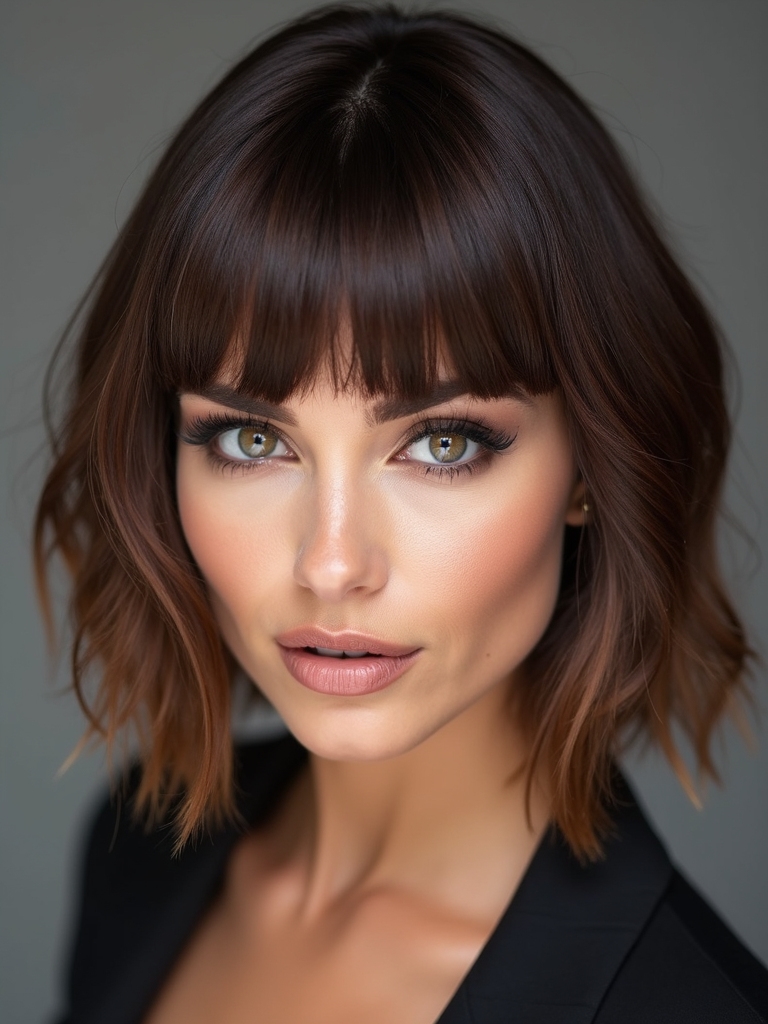
I love how a face-framing fringe can instantly suggest thicker hair by softening the hairline and drawing attention to your eyes.
I’ll point out where layers should sit to support that fringe without weighing it down, and which placement creates the most natural lift.
Then I’ll share quick styling tricks—root-lifting sprays, round-brush blows, and textured finishes—to keep the look full all day.
Face-Framing Fringe Impact
How much difference can a fringe make? I love how face-framing fringe lifts fine hair, adding movement and the illusion of volume right at the front. It softens features and draws attention to eyes.
Picture these effects:
- Soft, wispy edges brushing the cheekbones
- Subtle curtain sweep over the forehead
- Light layering that breathes
- Instant youthful bounce
Layer Placement Tips
Because you want fullness without weight, I place layers strategically around the crown and bangs to lift fine hair where it needs it most.
I cut shorter, graduated layers at the top to create a soft dome, then blend longer pieces toward the jaw for movement.
I keep layers light near the ends so the bob reads polished, airy, and naturally full.
Styling for Volume
Now that the layers are sitting where they lift and blend, I’ll show you how styling can make a layered bob with bangs look visibly fuller every day.
I’ll guide you through simple steps that add bounce, texture, and lift so your bangs and crown read thicker without weight.
- Blow-dry with a round brush, lifting at the roots
- Use a lightweight volumizing mousse
- Add soft waves with a small-barrel iron
- Finish with a gentle root-lift spray
Asymmetrical Layers for Dynamic Shape
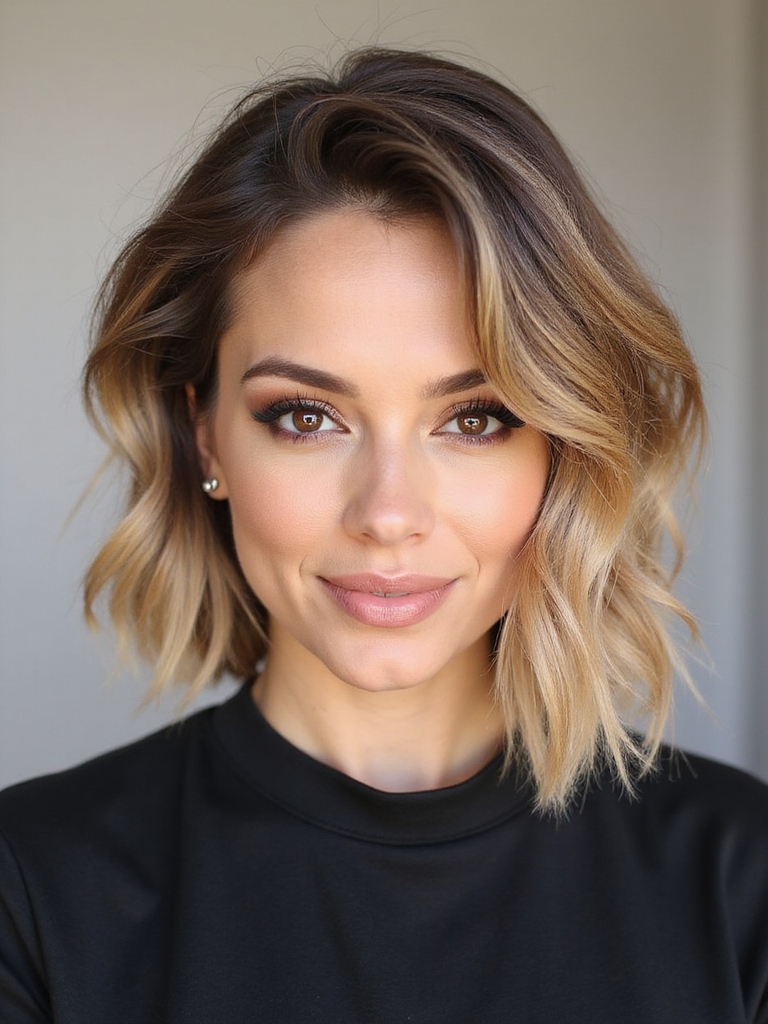
When I cut asymmetrical layers into a bob for fine hair, I aim to create movement and a sense of purposeful imbalance that makes the shape feel alive.
I section hair diagonally, trimming longer front pieces and shorter back layers so light catches differently.
The result feels airy, modern, and sculpted—soft angles that add body without weight, flattering faces and inviting playful texture.
Layered Bob With Undercut for Root Lift
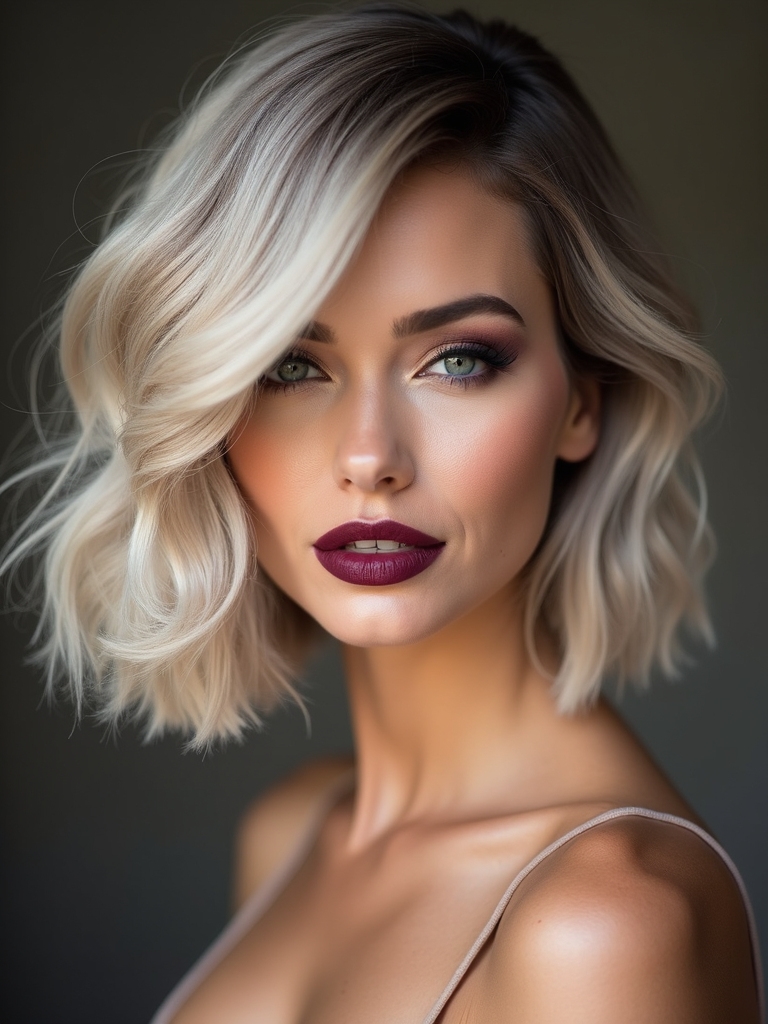
I love how a discreet undercut at the nape can create a seamless base that lifts everything at the roots.
By cutting graduated layers into the top sections you get natural volume without sacrificing the bob’s sleek silhouette.
I’ll show simple styling moves—texturizing spray, root-rubbing with a blow-dryer, and targeted backcombing—that maximize lift and keep the look polished.
Seamless Undercut Placement
I’ll show you how a subtle undercut can lift the roots without changing the bob’s silhouette: placed strategically at the nape or beneath the crown, a short undercut removes weight where hair naturally flattens, letting the top layers float and read as fuller.
- shallow nape shave that stays hidden
- tapered beneath crown for gentle boost
- soft graduation to longer layers
- easy to hide or reveal with styling
Layering for Volume
Because volume starts at the roots, I cut the layers to encourage lift rather than just remove length, blending the undercut into graduated layers that let the top hair float and read fuller.
I sculpt short internal layers at the crown, feathering longer outside pieces so movement creates body. You’ll see shape from every angle without added weight, brightening fine hair’s silhouette.
Styling for Lift
Now that the cut gives lift at the roots, I’ll focus on styling moves that keep that height all day.
I gently blow-dry with a round brush, add a light spray at the roots, and finish with texture where needed.
Imagine this routine:
- Blow-dry roots upward with tension
- Cool-shot to set
- Feather ends with a paddle brush
- Light texturizing spray for separation
Layering Techniques for Curly Fine Hair
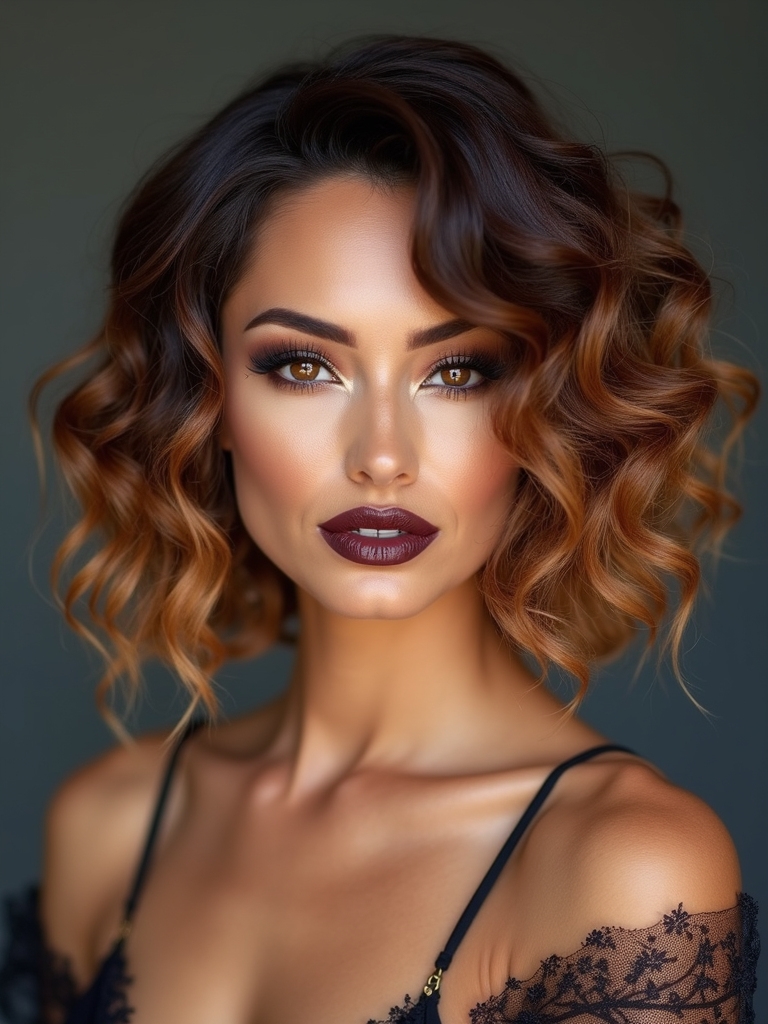
When I cut layers into curly fine hair, I think about shape and spring more than length; the goal is to give each curl room to breathe so the bob reads full rather than sparse.
I remove weight strategically, create short interior layers for lift, and blend edges for a soft silhouette.
I imagine the curls stacking, framing the face while keeping bounce and natural movement.
Color and Layers: Using Dimension to Thicken Hair
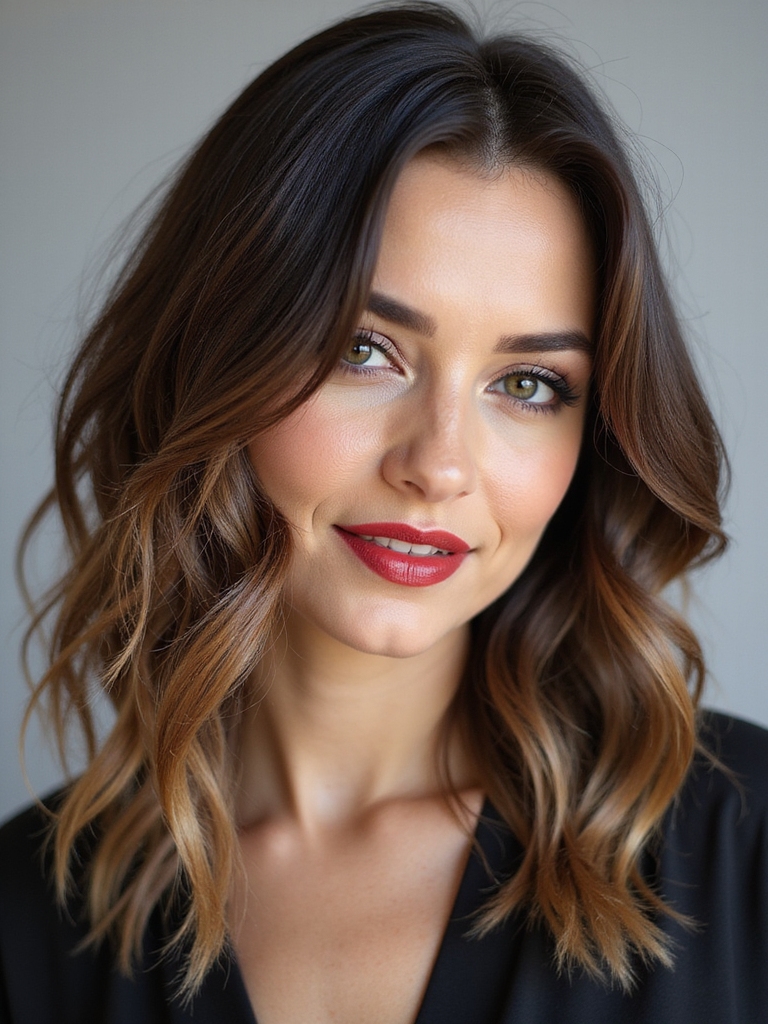
I also think about color as another layer of structure — it helps me fake density where the haircut leaves tiny gaps.
I use tone and contrast to sculpt volume, painting light and shadow into each layer.
- soft balayage for lifted roots
- darker underlayers for depth
- face-framing highlights to pop layers
- subtle lowlights to anchor movement
At-Home Styling Tips to Maintain Layered Volume
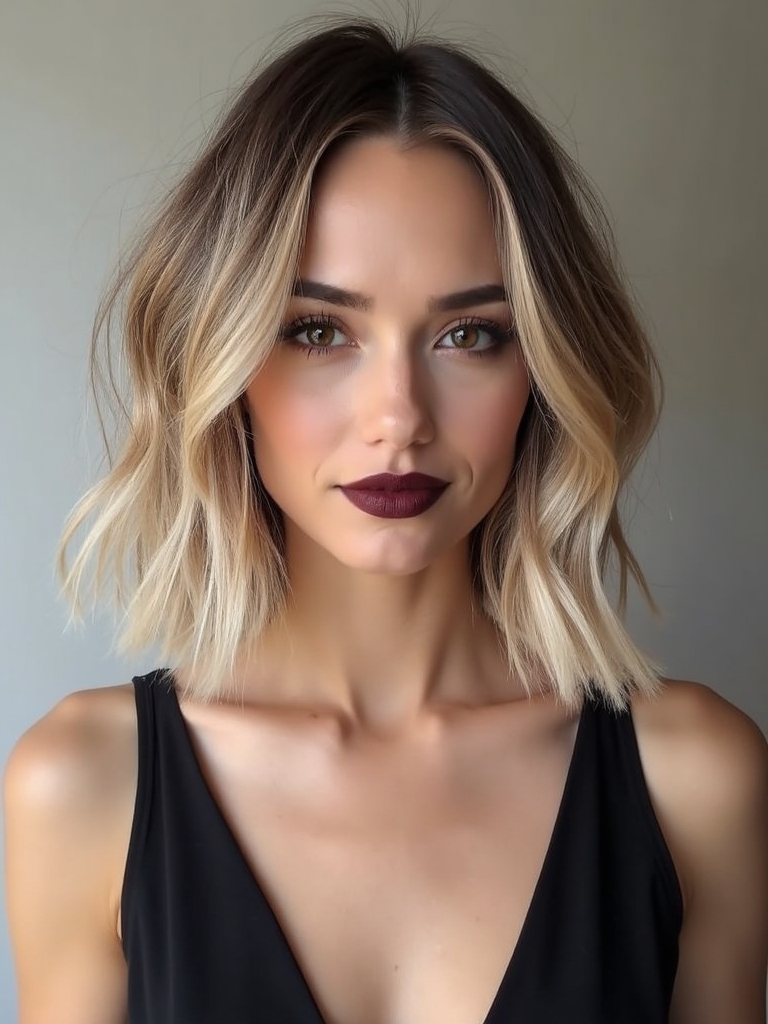
With a few simple tools and a little routine, I keep my layered bob looking full and intentional between salon visits.
I blow-dry roots with a round brush, use a light mousse for lift, and pinch layers while cooling to set shape.
Dry shampoo refreshes texture, and a few quick twists with a flat iron add polish without weighing hair down.
I hope these layered bob ideas have you excited to add movement and body to fine hair — yes, even if you’ve been told layers will make it look thinner. Trust the right cuts: soft blends, graduation, and face-framing slices actually create lift and depth.
Pick a style that fits your texture, add subtle color dimension, and I promise your hair will feel fuller. Ready to try one? I’ll walk you through choosing the best option.