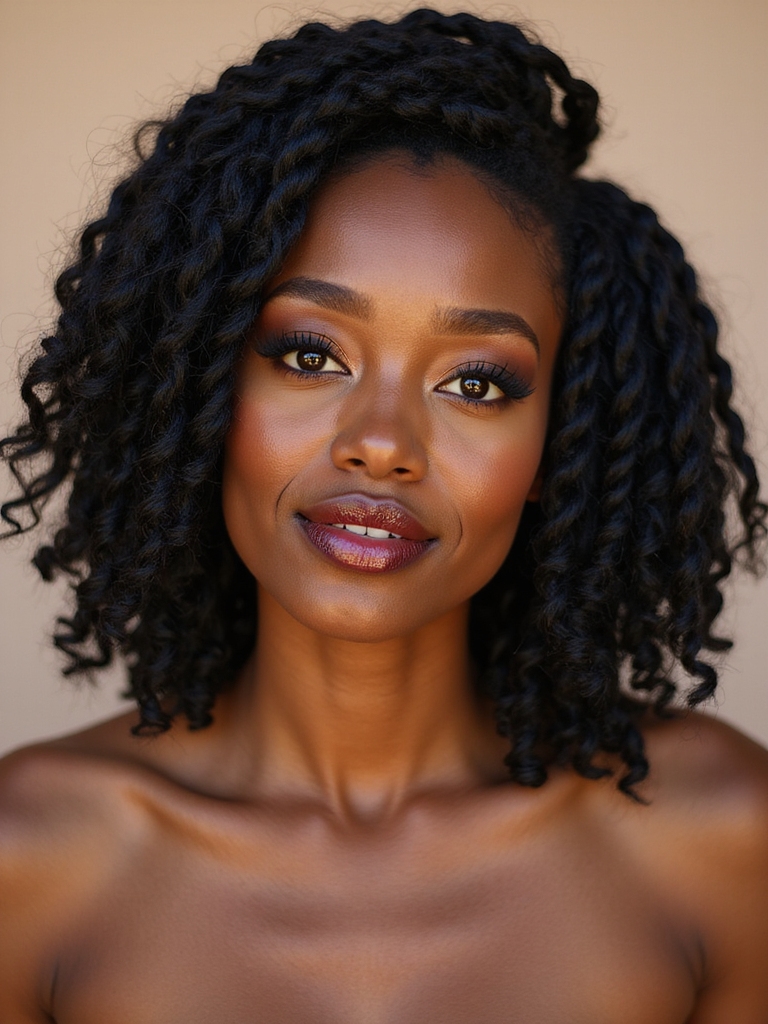
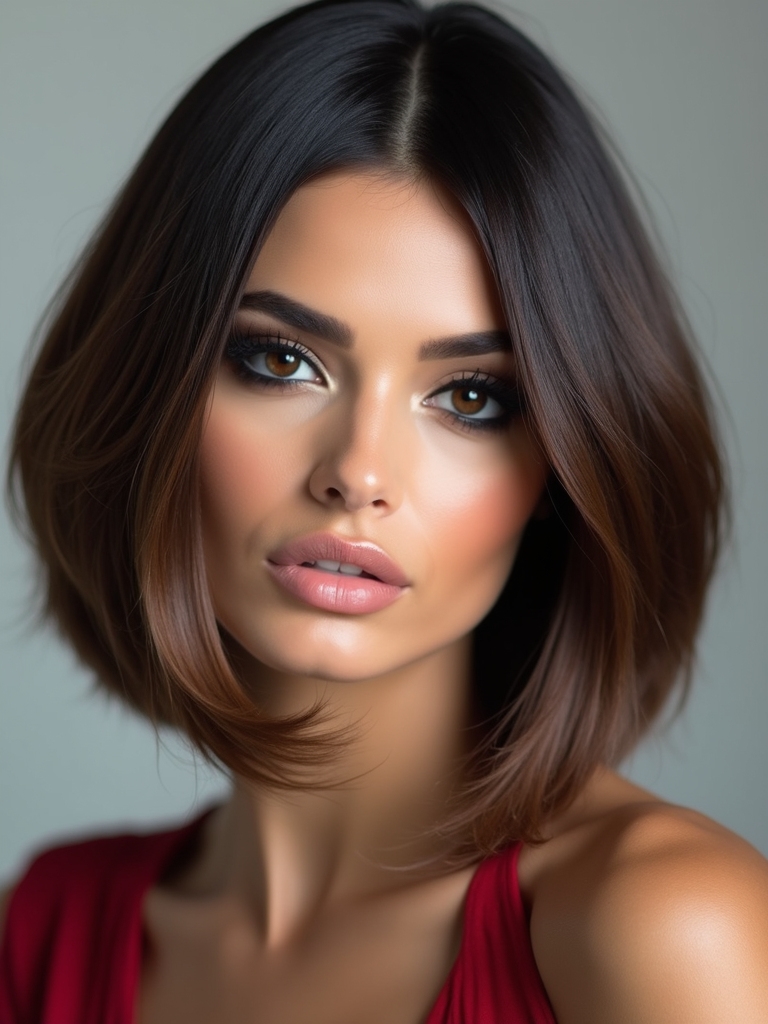
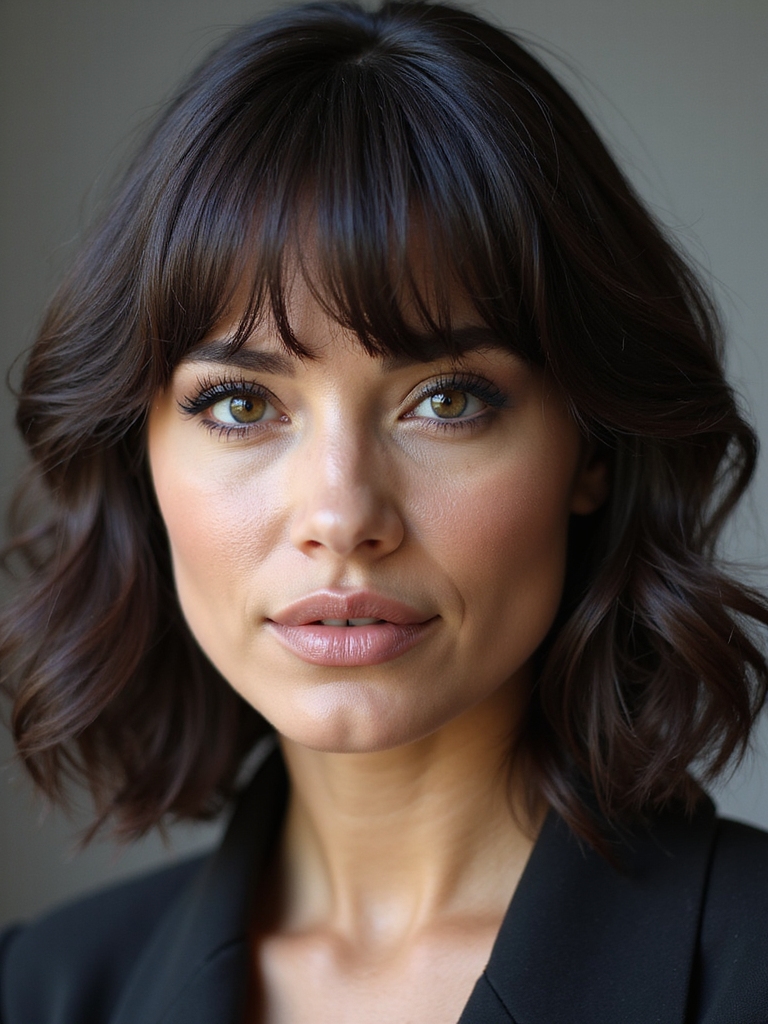
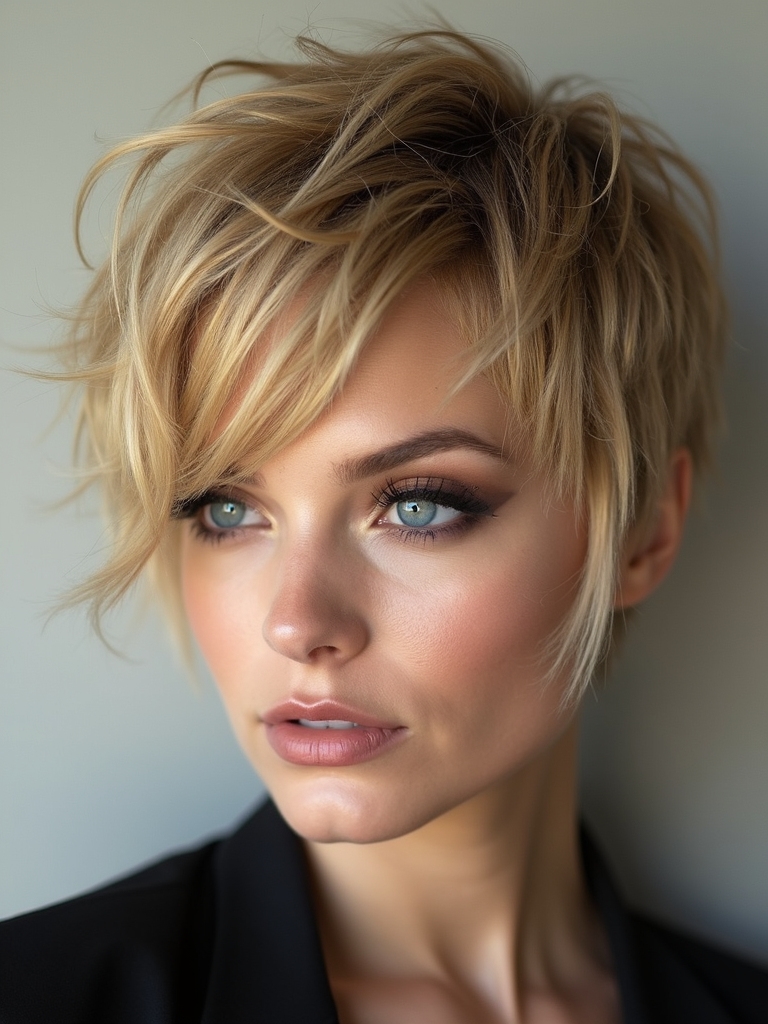
I love how a medium-angled bob frames the face with a neat back and a slightly longer front that gives soft movement and subtle drama. It flatters waves, loose curls, and straight hair with body, and you can tweak the slope to balance round, square, or heart shapes.
Add light layering, face-framing slices, or curtain bangs for softness, and choose blunt or feathered ends based on maintenance. Keep going to see how to make it work for your texture and lifestyle.
What Is a Medium-Angled Bob?
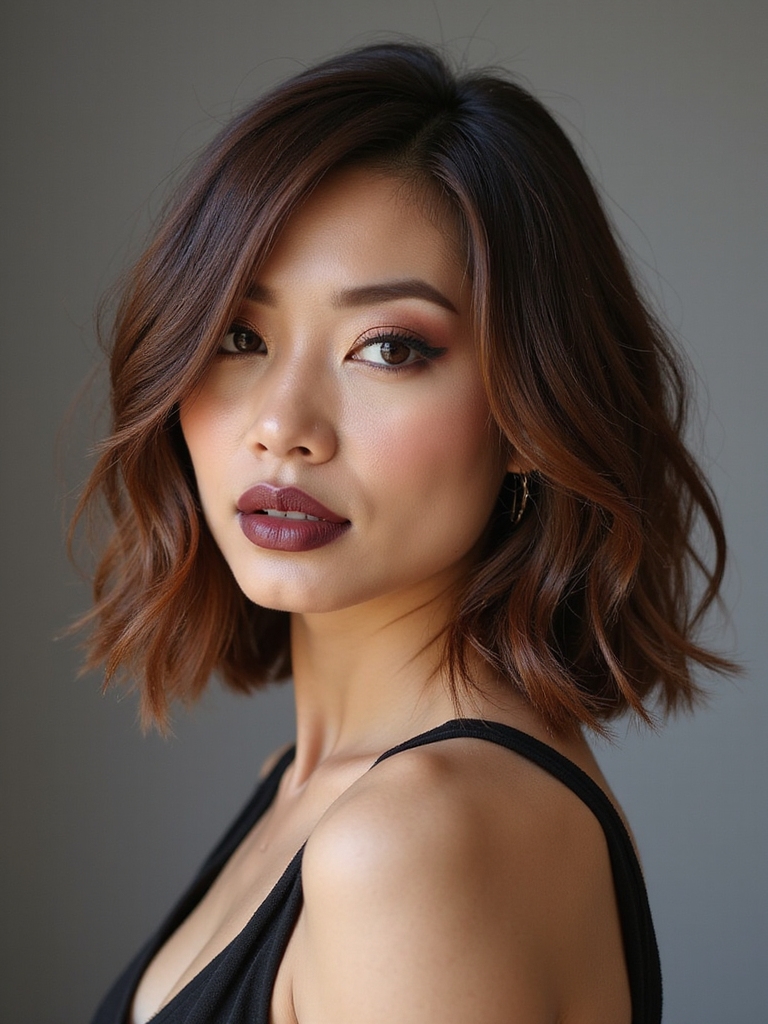
Think of a bob that tilts forward just enough to frame your face—that’s a medium-angled bob.
I love how it balances structure and softness, falling slightly longer at the front while keeping the back neat.
It adds subtle drama without shouting, creates gentle movement, and works with natural texture.
I’ll describe styling and maintenance later, keeping this definition focused and simple for now.
Choosing the Right Angle for Your Face Shape
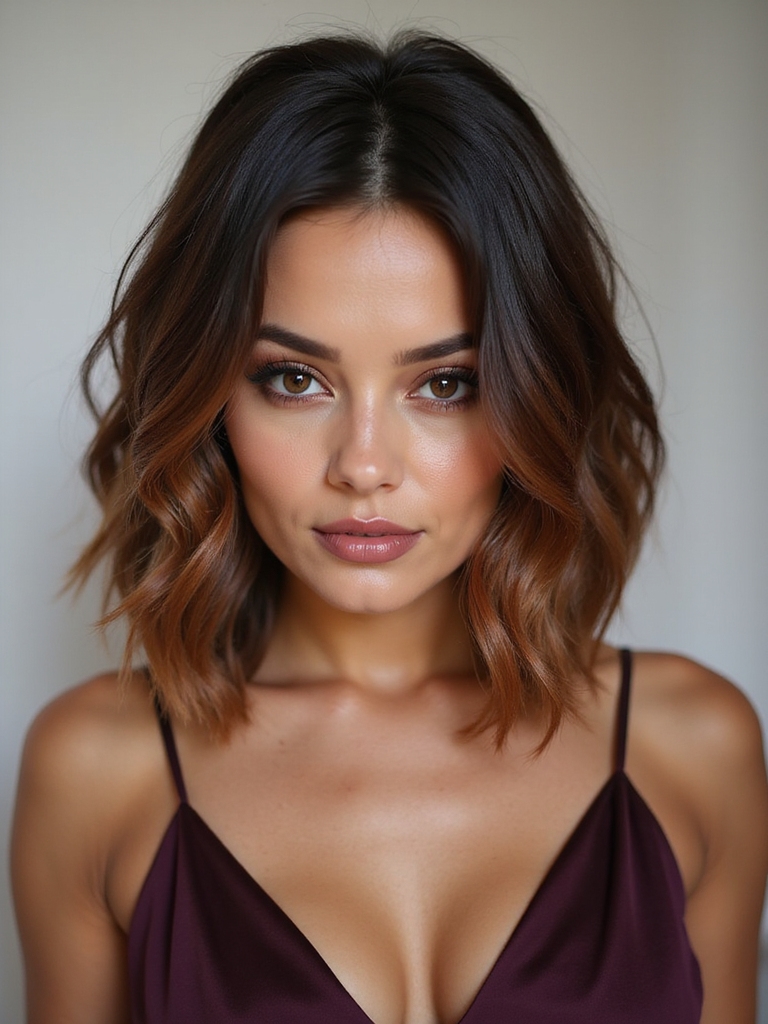
I’ll help you figure out your face shape and explain how different angles can lengthen, soften, or add width where you need it.
Together we’ll weigh how the cut’s slope affects your proportions and choose a balance of length and volume that flatters your features. With a few simple adjustments we can make the angled bob work for your unique bone structure and hair texture.
Voluminous angled bobs are especially good at creating added texture and movement in finer hair.
Determine Your Face Shape
Want to know which angled bob will flatter you most? I’ll help you spot your face shape quickly. Look in the mirror and imagine lines and angles:
- Oval — balanced, like a soft egg.
- Round — fuller cheeks, shorter vertical.
- Square — strong jaw, defined edges.
- Heart — wider forehead, narrow chin.
These images guide your angled bob choices. A shoulder-length bob often works well for many face shapes because it adds natural balance and softens strong jawlines.
Angle Effects on Proportions
One clear way I decide how steep an angle should be is by imagining how the cut will add length or soften width: a sharper, more dramatic angle elongates the face, while a subtle, gentle angle reduces emphasis on strong jawlines and balances fullness.
I suggest steeper angles for rounder faces and softer slopes for angular faces, describing how lines guide attention to your best features.
Elegant Long A-Line Bobs are particularly effective at creating a sleek silhouette and framing the face with clean lines, making them a go-to for polished looks with long A-line bob versatility.
Balancing Length and Volume
After thinking about how angle changes can lengthen the face or soften widths, it helps to focus on balancing length and volume so the cut flatters your particular proportions.
I picture shapes and weight: shorter front for round faces, longer layers for oval, soft graduation for square, light face-framing for heart shapes.
- soft curve
- subtle weight
- lifted crown
- tapered ends
A short A-line bob can create added volume and edge while maintaining a polished silhouette.
Best Hair Textures for Medium-Angled Bobs
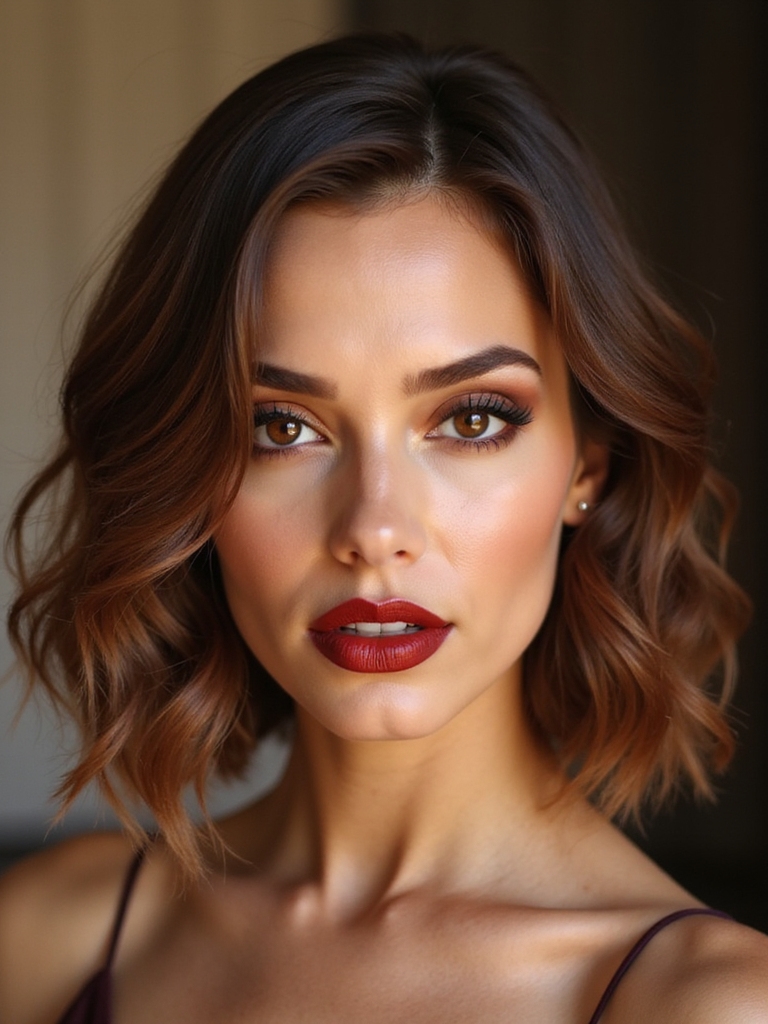
I usually tell clients that medium-angled bobs flatter a wide range of textures, but the cut really sings on hair with natural movement—think soft waves, loose curls, or straight hair with body—because the angle shows off the shape without needing constant styling.
I recommend fine hair for added fullness, medium hair for effortless polish, and thicker hair when softened at the ends for manageable silhouette.
Medium-angled bobs pair especially well with medium bobs with bangs for an effortlessly chic finish.
Layering Techniques to Add Movement
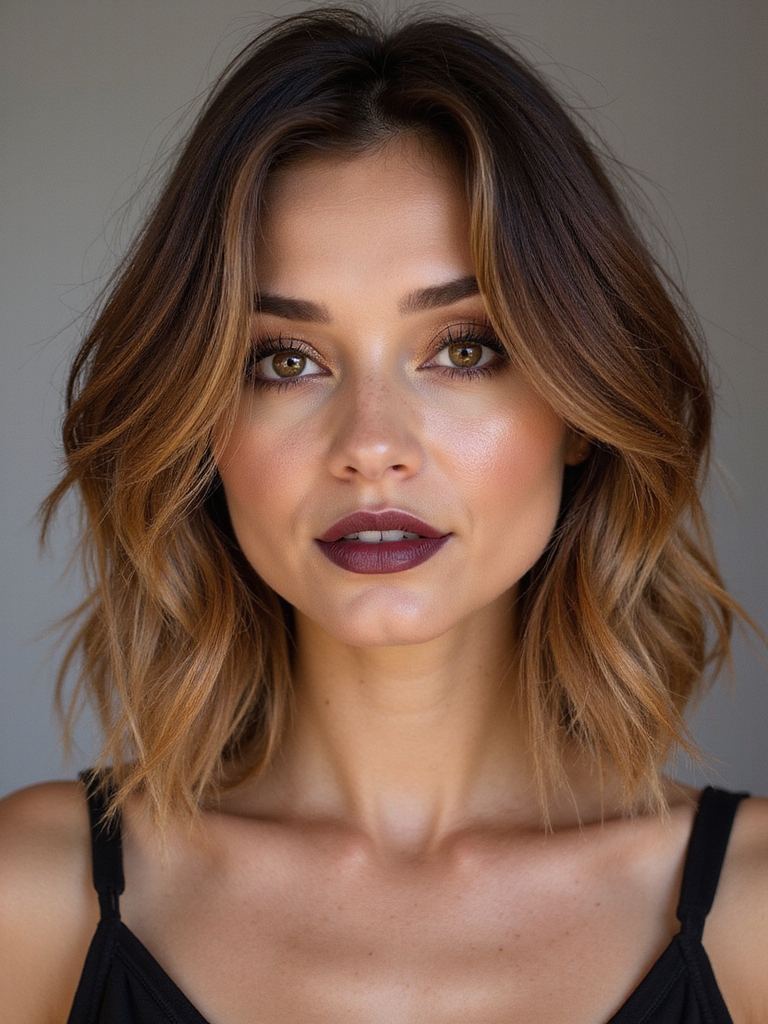
Layering softens the silhouette of an angled bob and gives it the kind of effortless movement clients ask for without daily fuss.
I like to add weightless surface layers that dance, subtle graduation near the nape, face-framing slices, and soft texturizing at ends.
Picture:
- Feathered top
- Shorter crown
- Angled face layers
- Wispy ends
These choices create bounce and flow. Loc Bob, a quirky neighborhood-inspired style, can be a playful example of how angle and texture work together to create personality and movement, often celebrated for its local charm.
Blunt vs. Soft Ends: Which to Pick
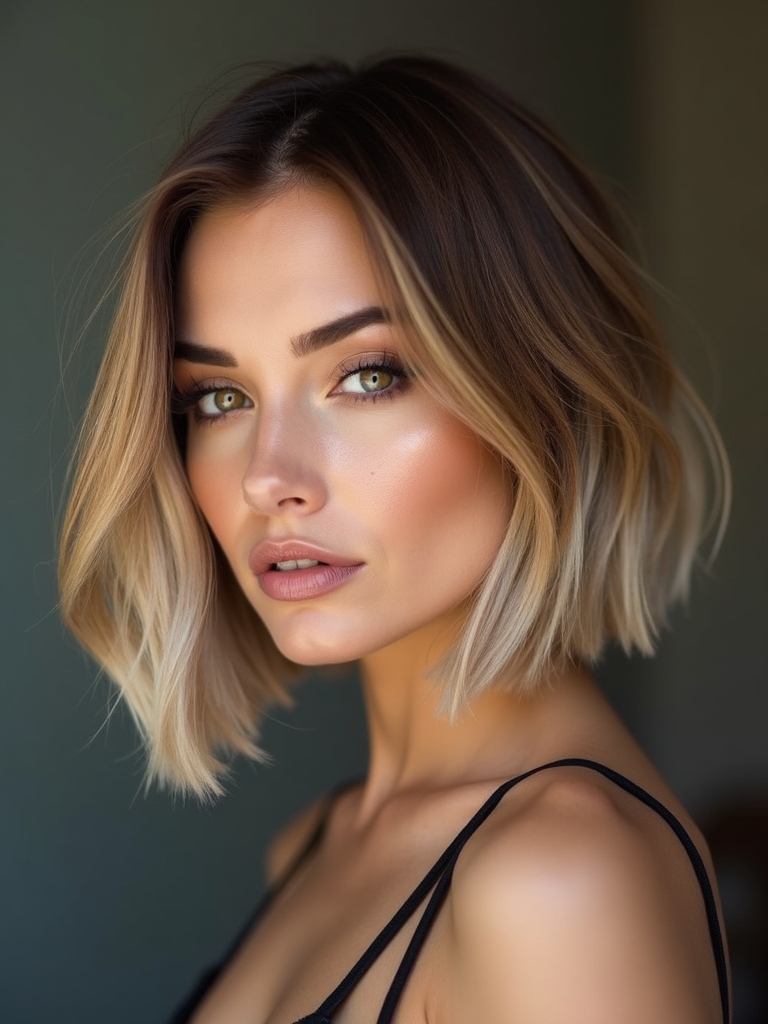
Soft, feathered layers give an angled bob movement, but the choice between blunt and soft ends will define the hairstyle’s overall attitude and upkeep.
I usually recommend blunt ends for a sleek, modern edge that reads polished and needs regular trims. Soft ends feel relaxed and forgiving, blending texture for an effortless, lived-in look that hides slight growth and requires less maintenance.
A-line bobs often appear particularly polished when the cut emphasizes the A-Line Bob silhouette, enhancing the sleek, chic effect.
Styling Shorter Front Pieces and Face-Framing Layers
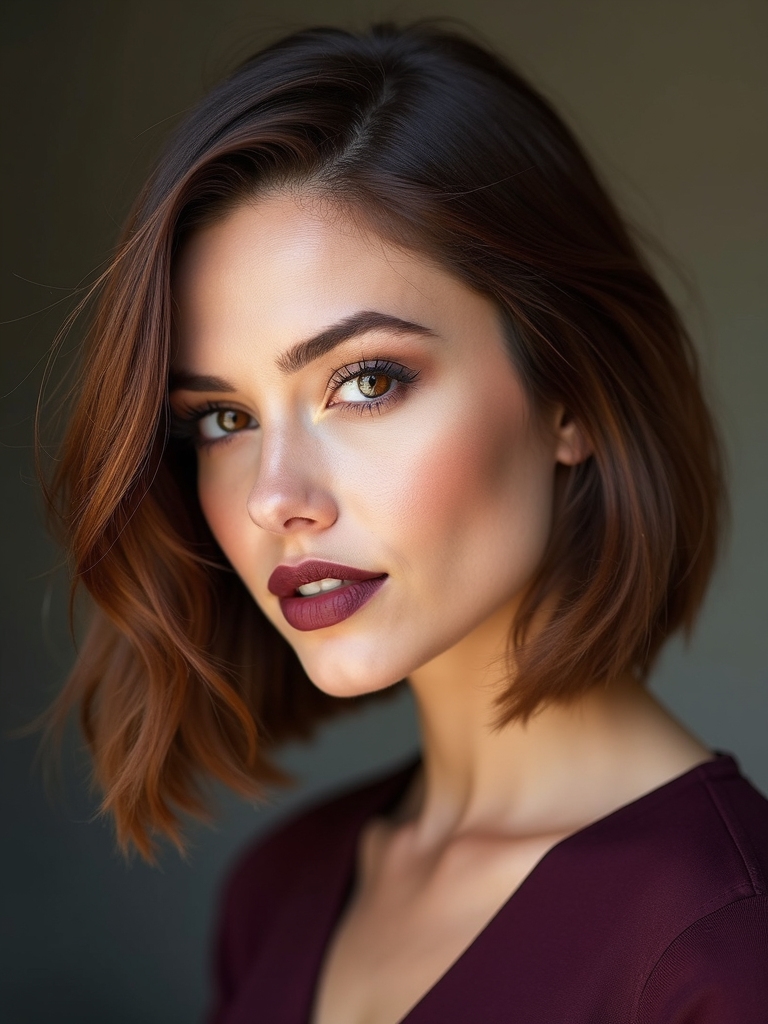
When you tuck the shorter front pieces behind one ear or sweep them across the forehead, they instantly change the vibe of an angled bob, so I’ll show you a few quick looks and tools that make them behave.
I like to:
- Smooth with a mini flat iron.
- Pin back for polish.
- Tousle for movement.
- Use light mousse for hold.
Adding Bangs to Your Medium-Angled Bob
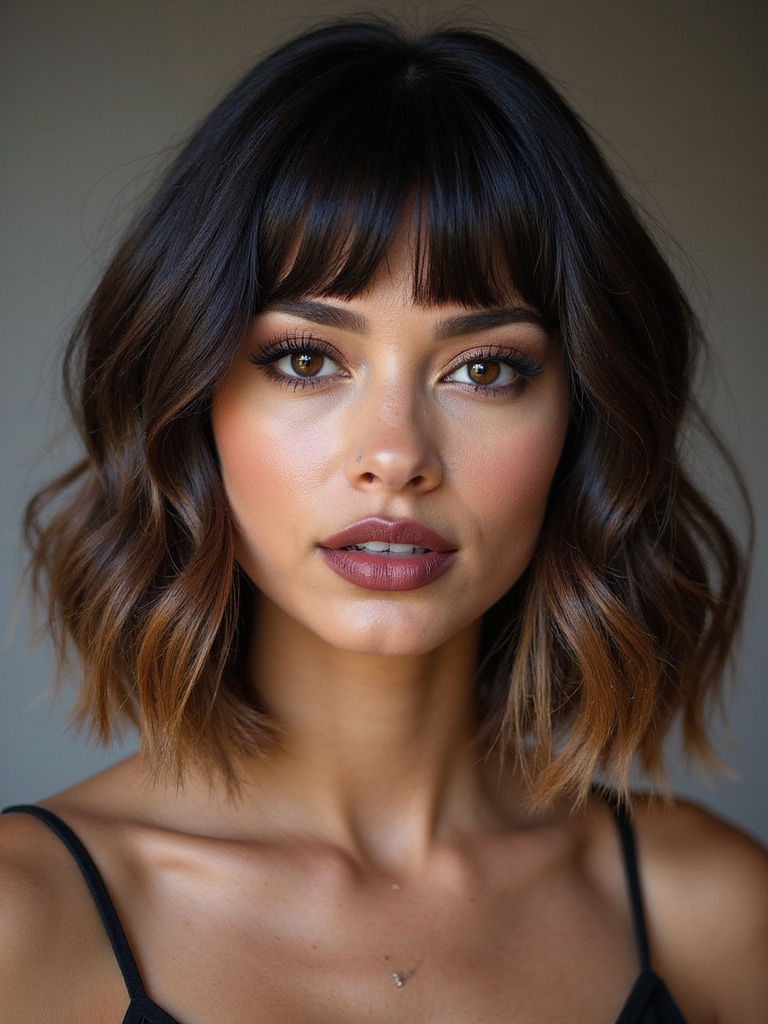
If you’re thinking about bangs for your medium-angled bob, I love how face-framing bangs can soften the cheekbones and highlight your best features.
For a more relaxed, modern look, textured curtain bangs sweep away from the center and blend seamlessly with the angled length. I’ll walk you through how each option changes the silhouette and what to ask your stylist.
Face-Framing Bangs
I often recommend adding face-framing bangs to a medium-angled bob because they instantly soften the jawline and draw attention to your eyes.
I love how they blend with the layers and feel playful yet elegant.
Imagine:
- Silk strands grazing cheekbones.
- Subtle sweep toward temples.
- Lightweight layers around the face.
- A polished, airy finish that brightens expression.
Textured Curtain Bangs
I often suggest textured curtain bangs for a medium-angled bob because they add soft movement and a modern, lived-in feel without overwhelming the cut.
I’d tell you they frame the eyes, soften angles, and grow out gracefully.
Texturing keeps them airy, so styling’s quick—air-dry, a light mousse, or a gentle blowout—giving effortless polish with minimal fuss.
Color Ideas to Enhance the Angle
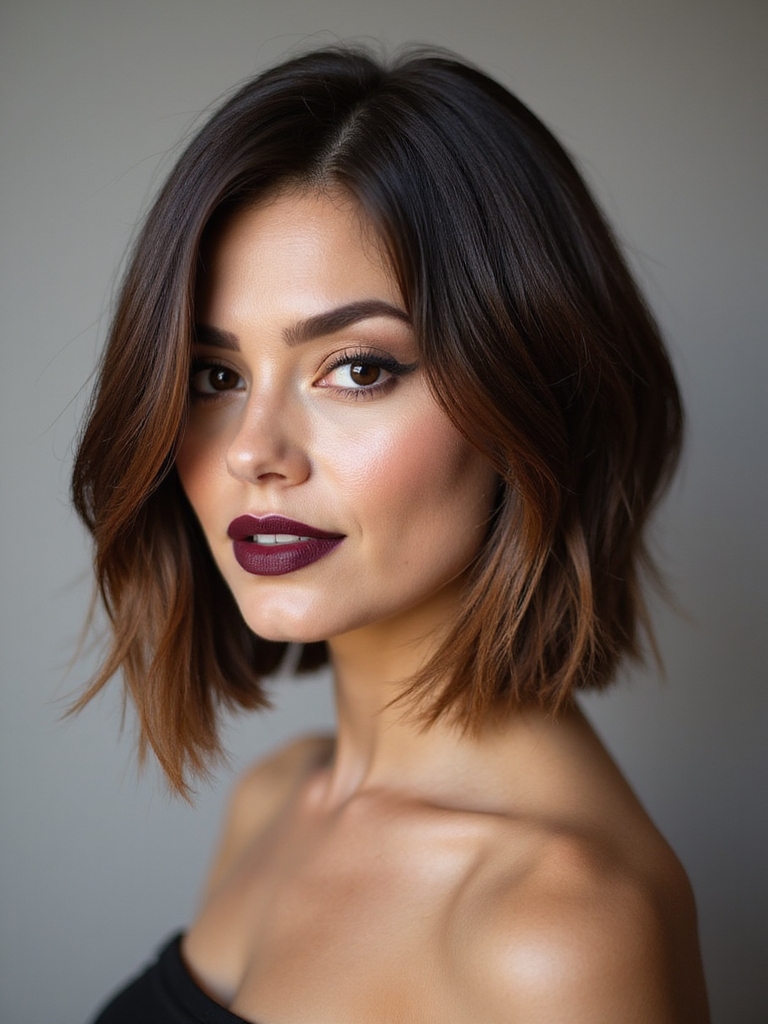
How can color amplify that sharp, face-framing slope of an angled bob? I love using tones to sculpt and shine: subtle shadows, bright edges, soft contrasts.
Picture these options:
- Deep root smudge to ground the angle.
- Honey balayage on the outer face line.
- Frosted tips to emphasize the slope.
- Rich mahogany for sleek definition.
Each choice frames and flatters.
Heat Styling Tips for Sleek and Tousled Looks
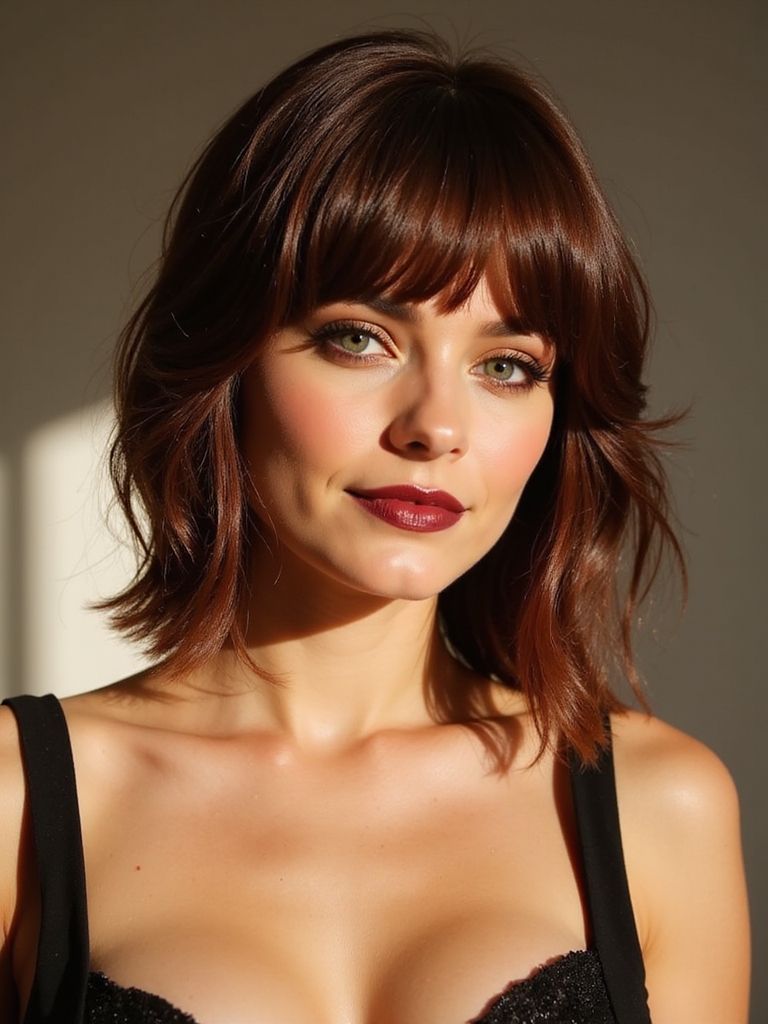
When I want my angled bob to read polished or playfully undone, I reach for a few reliable heat tools and simple techniques that protect the hair while shaping the angle.
I use a flat iron for smooth, crisp lines, a round brush and blow dryer for volume at the crown, and a wide-barrel wand for loose waves, always working in small sections and cooling each bend to set the shape.
Product Recommendations for Hold and Shine
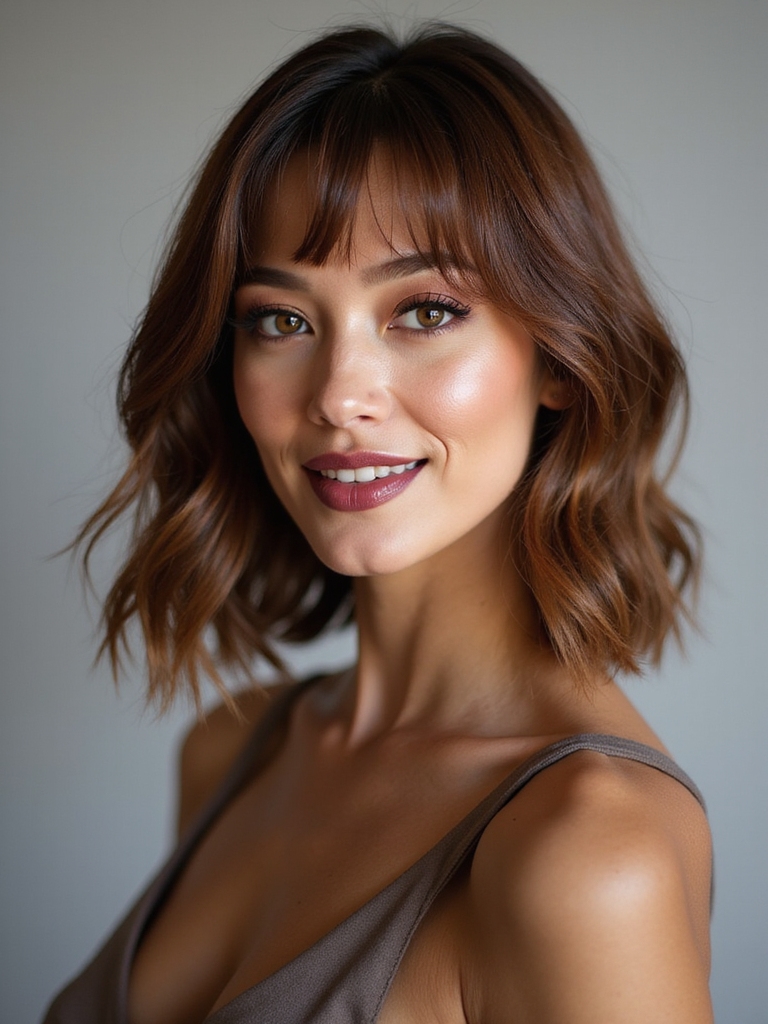
Now that we’ve covered heat styling, I’ll share my go-to products for keeping an angled bob in place without weighing it down.
I love a lightweight hold spray for flexible structure and a shine-boosting serum to finish with glossy, frizz-free ends. Tell me if you prefer more hold or more shine and I’ll recommend specific formulas.
Lightweight Hold Sprays
I often reach for a lightweight hold spray when I want my angled bob to keep its shape without feeling stiff or crunchy.
I mist sparingly, then finger-shape the ends for movement.
Picture these moments:
- soft breeze lifting layers
- subtle arc framing my jaw
- seated café glow on hair
- easy, all-day sway that still looks effortless.
Shine-Boosting Serums
I usually reach for a lightweight shine-boosting serum after I’ve styled my angled bob, because it gives me that glossy finish without flattening the shape I worked to create.
I dab a pea-sized amount through mid-lengths to ends, smoothing frizz and enhancing movement.
My go-tos are silicone-light serums with UV protection and nourishing oils — instant polish that still lets layers breathe.
Maintenance and Trimming Schedule
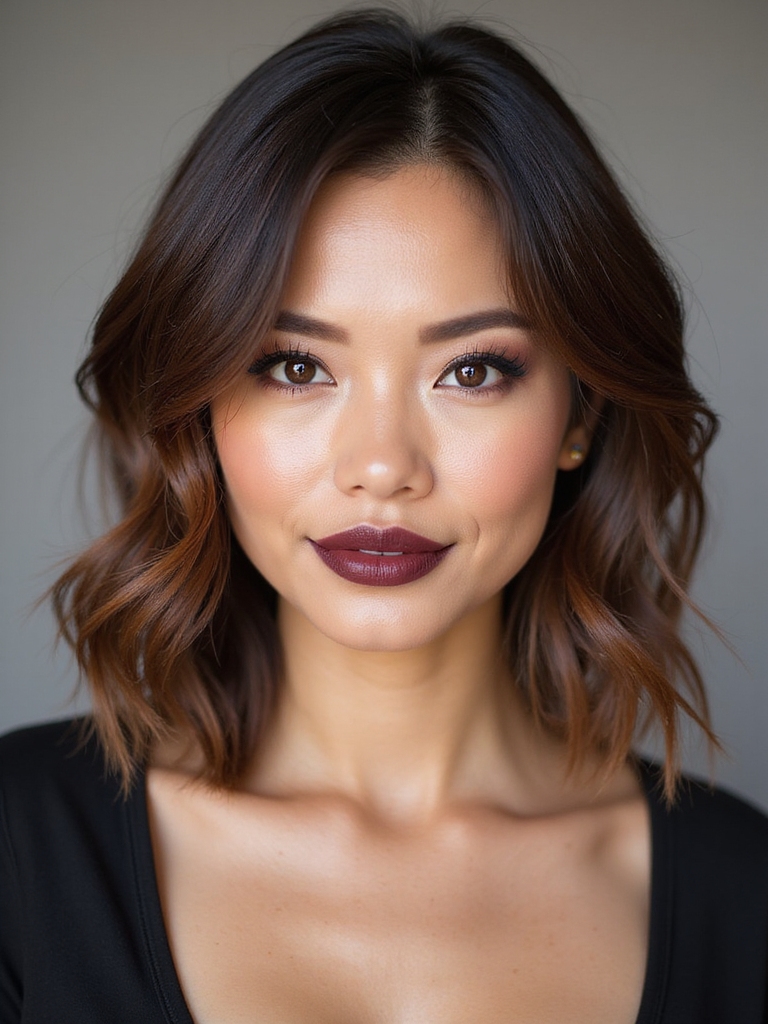
Regularly trimming an angled bob keeps its sharp lines and weight balance looking intentional, so I recommend scheduling a cut every 6–8 weeks for shorter, stacked versions and every 8–12 weeks for longer, blunt angles.
I keep a simple routine:
- Soft dusting to remove split ends.
- Sculpting the angle.
- Thinning heavy bulk.
- Refining face-framing pieces.
Transitioning From Longer Hair to a Medium-Angled Bob
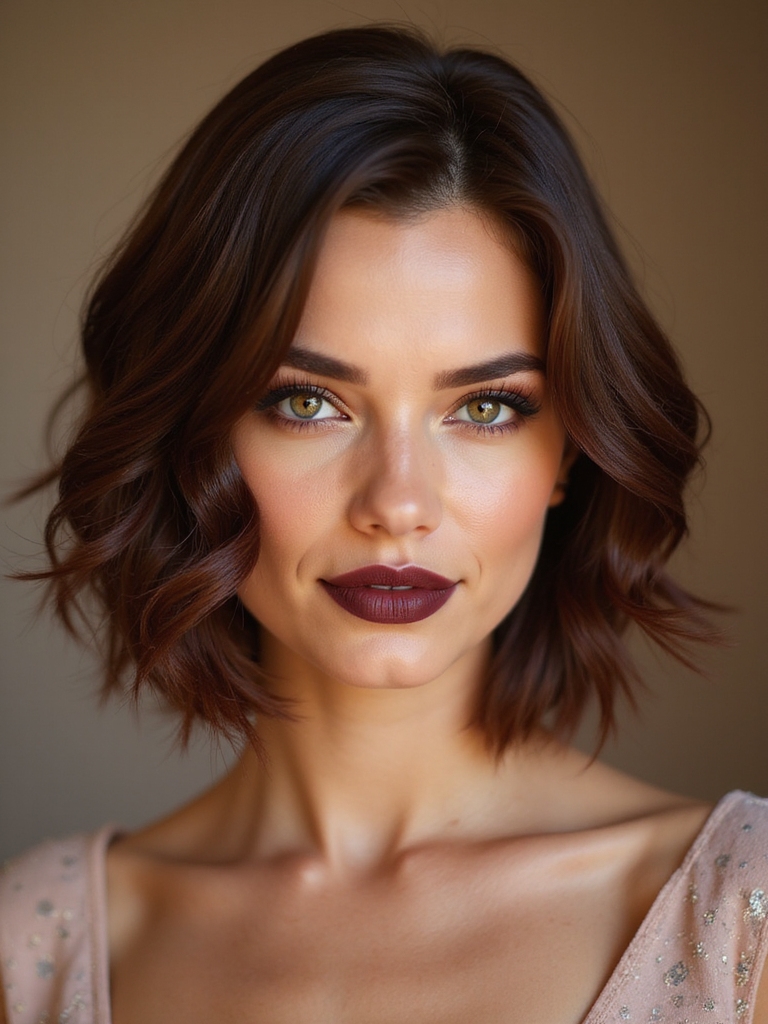
When you’re ready to move from long locks to a medium-angled bob, I’ll help you plan a cut that keeps your proportions and movement intact.
I’ll assess face shape, hair density and growth patterns, suggesting gentle layering and a slightly longer front to preserve softness.
We’ll discuss maintenance, styling tricks and realistic timelines so the shift feels intentional, flattering and easy to manage.
Celebrity Inspiration and Real-Life Examples
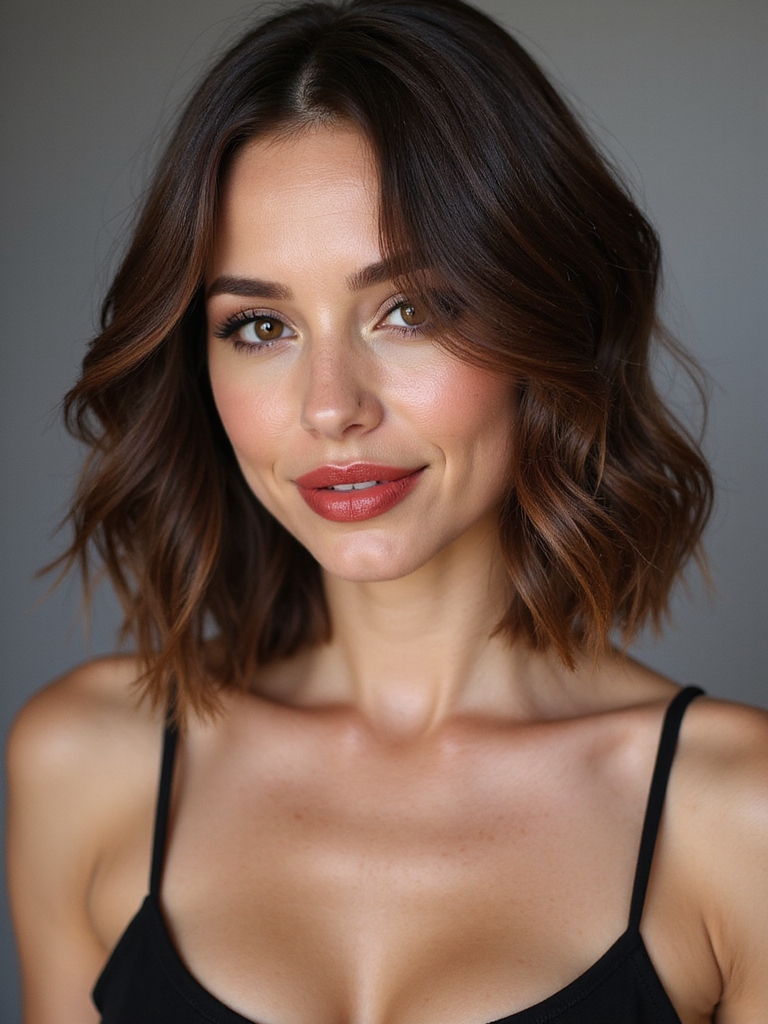
Look to celebrities who’ve tried the angled bob and you’ll see how versatile it can be — from Rihanna’s bold, jaw-skimming angles to Emma Stone’s softer, face-framing take.
I love pointing out real-life examples that spark ideas:
- Sleek, glossy tilt
- Tousled, textured sweep
- Deep side part drama
- Subtle undercut peek
They help me envision my own twist.
Styling for Special Occasions and Work
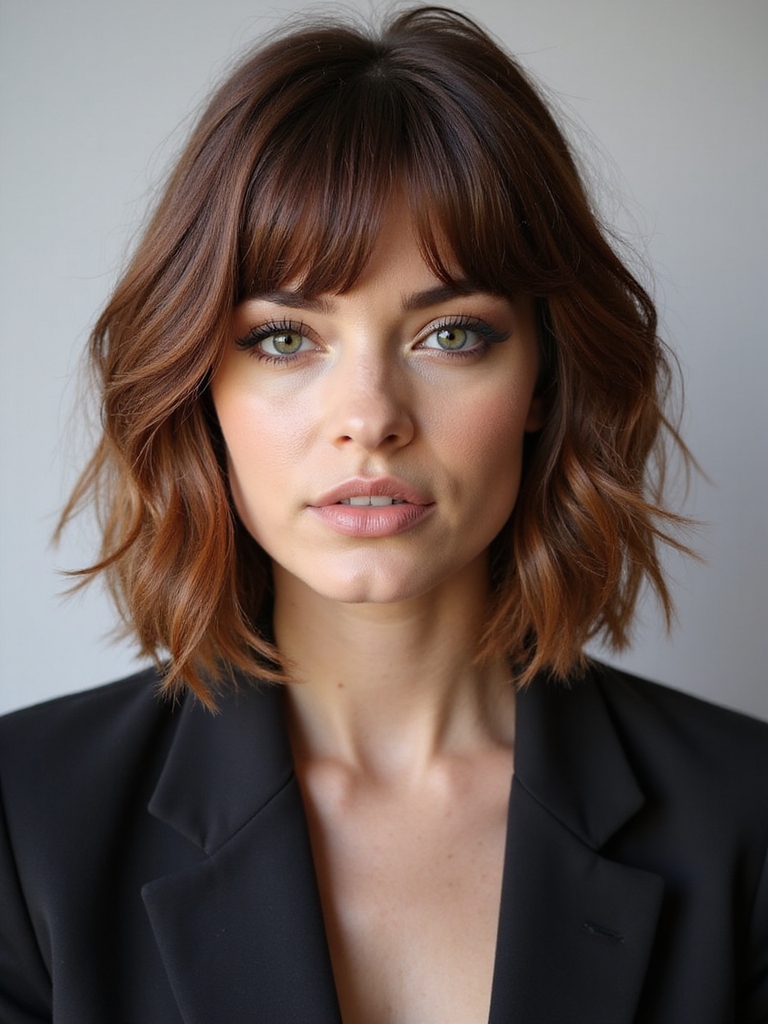
When I dress an angled bob for an evening event, I aim for glassy, sleek finishes—think mirror shine, a deep side part, and a tucked-under tip to make the angles pop.
For workdays, I favor polished but practical styling: smooth blowouts, subtle volume at the crown, and a soft tuck behind one ear to keep things professional.
I’ll walk you through quick techniques and product picks that switch the look from boardroom-ready to red-carpet glam.
Sleek Evening Looks
A sleek angled bob can transform any evening into a polished statement, and I love showing you how small tweaks make a big difference.
I pair shine serum, a deep side part, and soft tuck for effortless glam.
Picture these touches:
- Glossy finish catching candlelight
- Deep side sweep framing cheekbone
- Tucked ends behind ear
- Subtle volume at crown
Professional Day Styling
I often lean toward a polished, angled bob for work because it reads confident without trying too hard, and I’ll show you simple swaps that keep your look professional through meetings and events.
I smooth flyaways with a lightweight serum, add subtle volume at the crown, and tuck one side behind my ear for a neat profile. A soft side part finishes it.
Adapting the Cut for Curly and Coily Hair
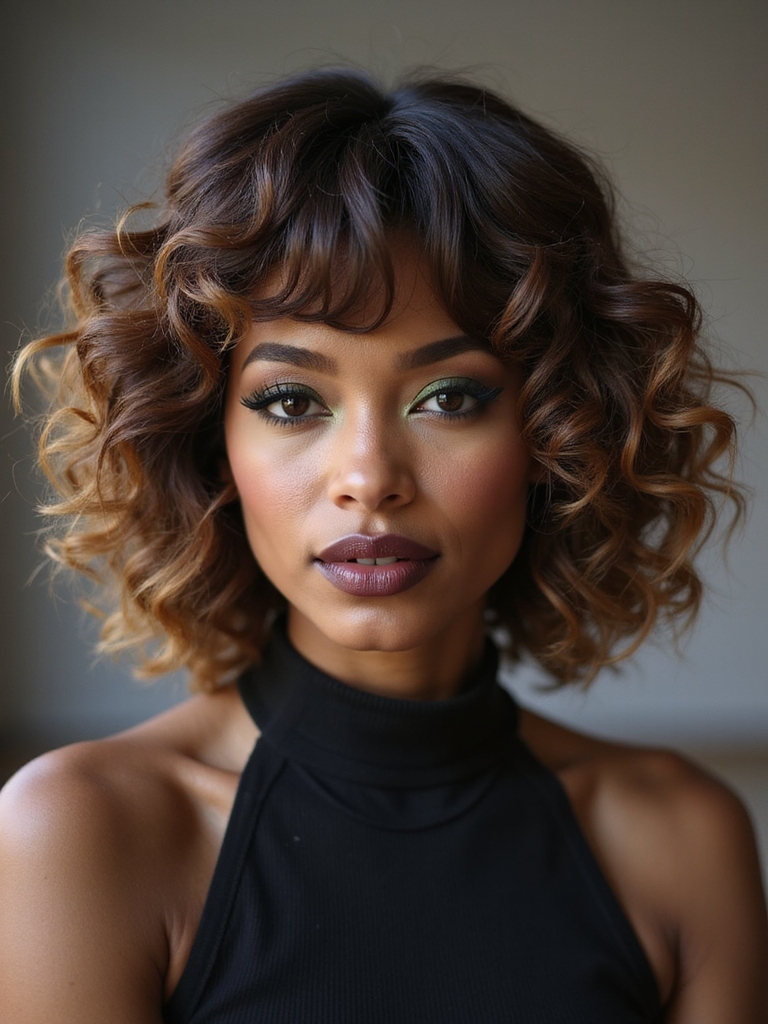
Embracing texture means I don’t treat curly and coily hair like straight hair with a different tag—I’ll adjust angles, layering, and tension to work with the natural spring and shrinkage of your curls.
I shape a bob that honors volume and movement, visualizing:
- Defined crescent silhouette
- Springy stacked back
- Face-framing coils
- Airy ends for bounce
We prioritize shape and health.
I’ve worn a medium-angled bob for years, and every morning it feels like choosing a favorite coffee—reliable yet surprisingly different each day. Once I timed myself getting ready and shaved five minutes off my routine, proving how effortless the cut can be.
Like a well-loved mug, the angle hugs your face and warms your look; pick the right slope and texture, and it becomes a small ritual that boosts confidence before you even step outside.