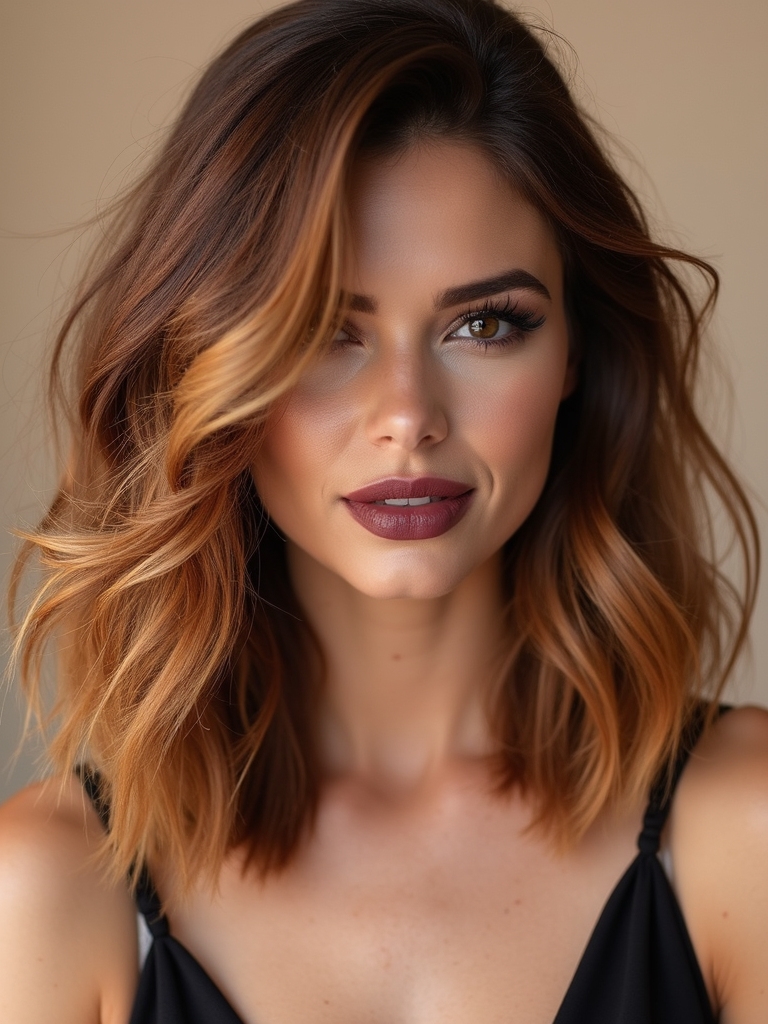
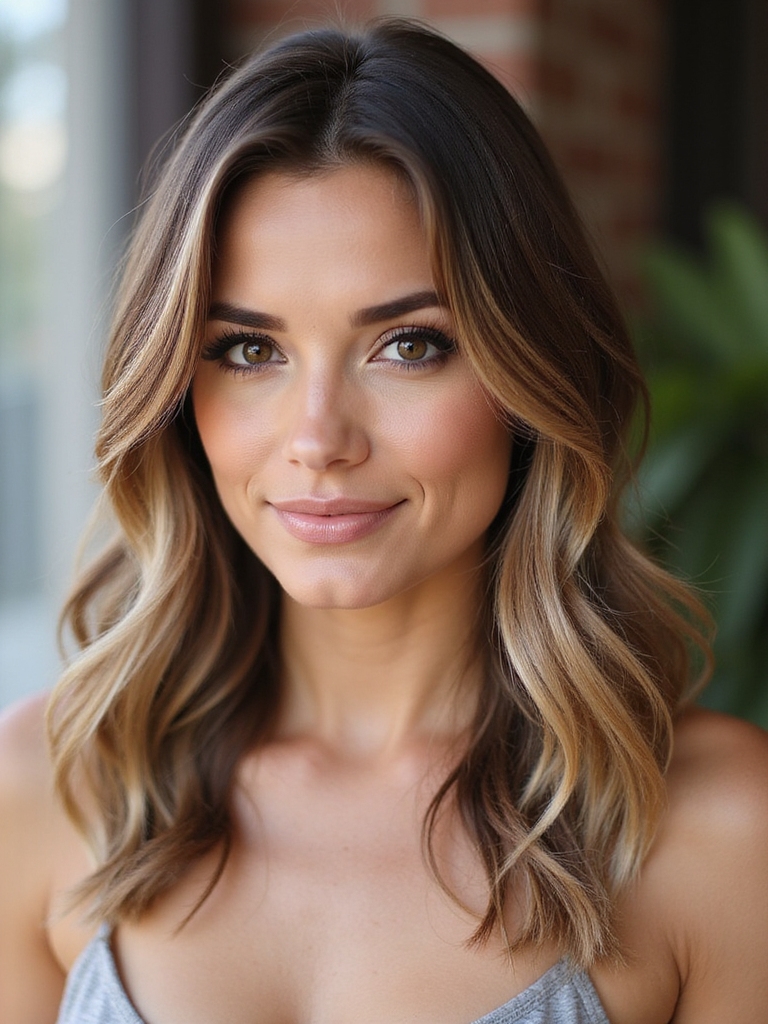
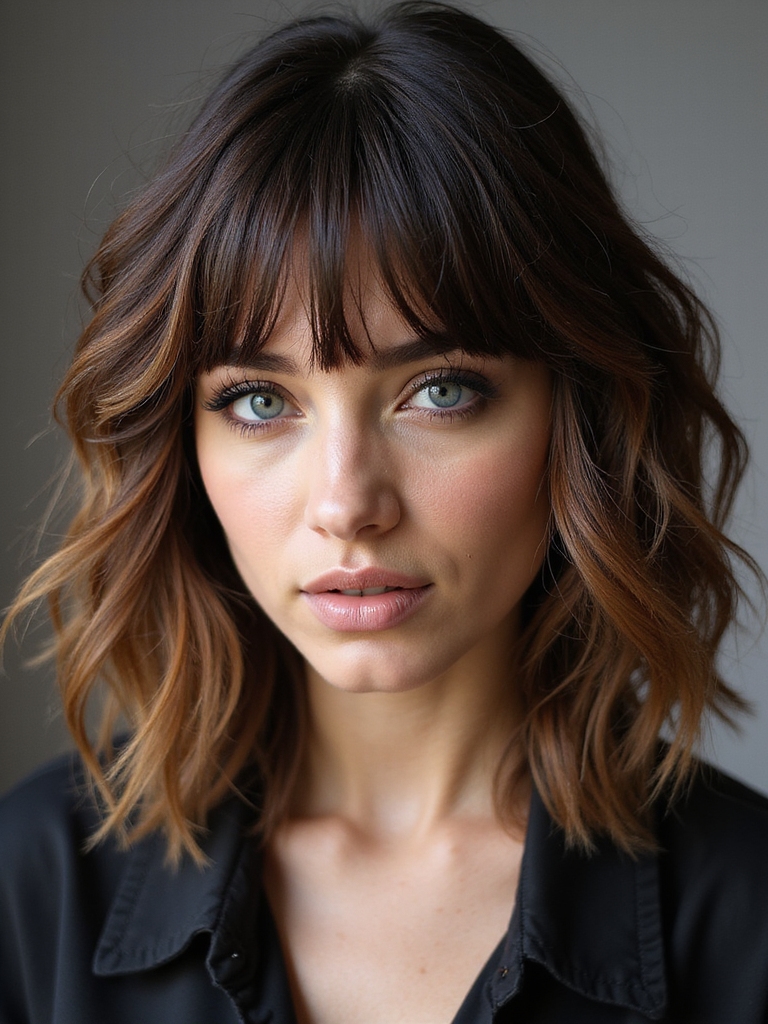
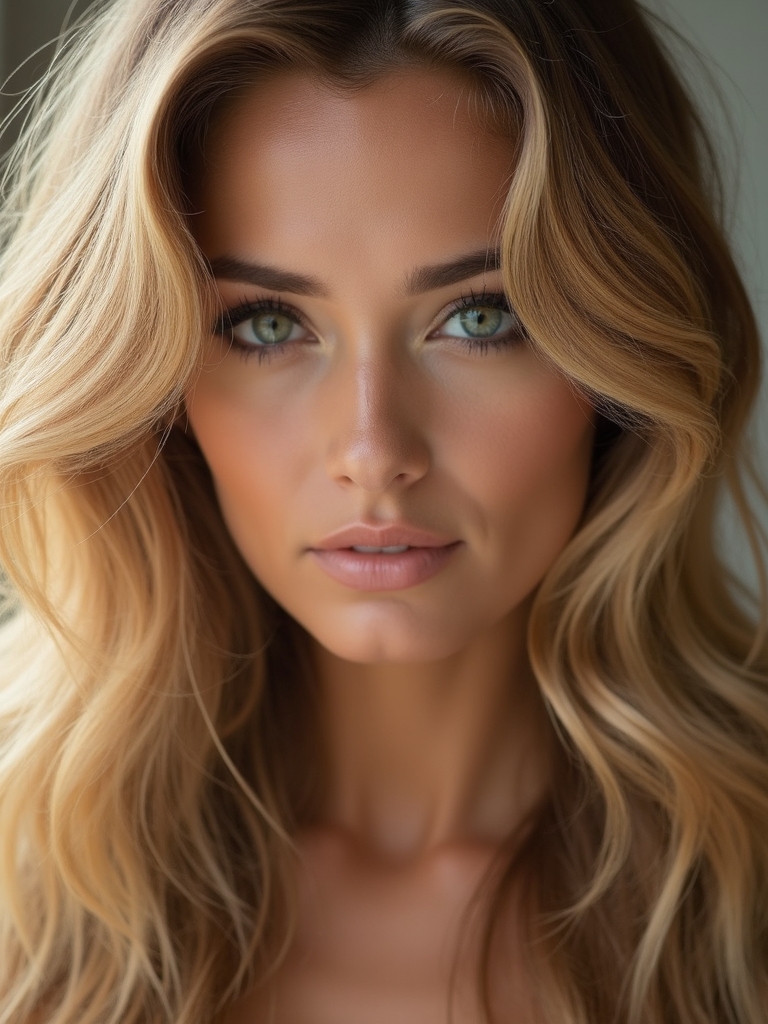
I’ve spent years watching clients struggle with flat, lifeless hair that falls apart between salon visits. Here’s what I’ve discovered: the right layered cut isn’t just about scissors and technique—it’s about understanding how movement actually works.
If you’re working with fine, delicate strands or thick, textured locks, there’s a specific approach that’ll transform your hair. Let me show you what that looks like.
The Science Behind Movement and Texture

When you run your fingers through a layered cut, you’re experiencing physics in action. Each layer’s angle and length creates natural movement by reducing bulk and allowing strands to shift independently.
I’ve noticed shorter layers on top catch light differently, enhancing dimension. The strategic thinning lets hair move freely rather than clinging together, giving you that coveted texture and bounce that lasts between salon visits.
Subtle Layers for Fine Hair

I’ve found that subtle layers work wonders for fine hair because they create movement without sacrificing the density you’re working with.
When I use precision cutting techniques, I’m careful to remove just enough length strategically so you won’t end up with wispy, thin-looking strands.
The real magic happens when those carefully placed layers catch light and bounce naturally, giving you volume that looks effortlessly full rather than artificially teased.
Layered pixie cuts also rely on strategic layering to enhance texture and shape on short styles.
Enhancing Volume Naturally
Creating dimension without sacrificing delicate strands is where subtle layering truly shines for fine hair.
I’ve found that strategic face-framing layers give you instant lift and movement without compromising thickness. You’ll love how they catch light beautifully, making your hair appear fuller and bouncier.
Believe me—it’s the perfect volume hack for delicate hair that needs that extra oomph. Layered cuts can be tailored to enhance natural texture and add movement and volume.
Precision Cutting Technique
Mastering the right cutting technique makes all the difference when you’re working with fine hair.
I’ve learned that subtle layering transforms delicate strands beautifully:
- Point-cutting creates texture without bulk
- Razor techniques add movement gracefully
- Minimal layering prevents thinning
- Strategic placement enhances natural flow
You’ll notice how precision work respects your hair’s delicate nature while delivering gorgeous, dimensional results that move effortlessly. Long layered hair with chic bangs can complement this approach when styled to maintain softness and movement.
Bold Choppy Layers for Maximum Impact

Ready to transform your look into something daring and textured? I’m talking bold choppy layers that’ll give you instant movement and edge.
These aren’t subtle—they’re dramatic, jaw-length pieces that catch light beautifully. You’ll love how they frame your face and add serious personality.
Perfect for anyone craving a statement haircut that screams confidence and modern style. These cuts work especially well with an effortless short shag to enhance tousled texture and defined edges.
Long Layered Cuts With Flowing Movement

If you’re craving length without losing dimension, I’ve got to tell you—the right layering techniques are absolute game-changers.
What I love most is how strategic placement of layers creates this gorgeous flow that makes your hair move and breathe, rather than sitting flat and heavy.
Let me show you how to balance those layers so your length stays intact while you get all that beautiful, bouncy movement.
Effortless Long Layered Shag styles can be adapted to suit many hair textures and face shapes, offering long layered shag options that keep movement without sacrificing length.
Layering Techniques for Flow
Throughout the world of hair styling, there’s nothing quite like watching a long layered cut move with natural grace—and that’s precisely what we’re diving into here.
I’ve discovered that achieving that coveted flow requires understanding these essential techniques:
- Point-cutting for texture and movement
- Strategic shorter layers near the face
- Longer underneath sections for weight
- Angle-cutting to create seamless shifts
When you master these methods, you’ll create cuts that literally dance with every step. Many stylists rely on Layered Hair Long to build effortless, flowing movement in everyday looks.
Length and Movement Balance
Once you’ve mastered the foundational techniques, you’ll realize that the real magic happens when you nail the balance between length and movement.
I’ve found that longer layers create flow without sacrificing shape, while shorter ones add texture and dimension.
The sweet spot? Letting each layer breathe independently while working together harmoniously.
That’s where you’ll get that effortless, tousled elegance everyone craves.
Longer layers, in particular, are excellent for creating effortless movement and minimizing bulk while maintaining length.
Short Layered Styles for Low Maintenance

When you’re looking to break free from lengthy styling routines, short layered cuts become your best friend.
I’ve found they’re game-changers for busy lifestyles:
- Minimal blow-dry time needed
- Natural texture shows beautifully
- Easy to refresh between cuts
- Versatile styling options available
You’ll love how effortlessly chic you’ll look while reclaiming your mornings! Short layered haircuts also flatter different face shapes, making them a versatile choice for many people.
Layered Bobs That Frame the Face

If you’re ready to elevate your look beyond short styles, layered bobs offer the perfect middle ground between low-maintenance ease and sophisticated polish.
I love how face-framing layers add movement and dimension while flattering various face shapes. They’re versatile enough for casual days or polished events.
You’ll get that effortless, textured vibe that makes you feel put-together without requiring extensive styling time. Layered bobs also draw inspiration from classic Layered Bob Hairstyles to create modern, effortless silhouettes.
Shag Haircuts: The Ultimate Textured Layer

I’m thrilled to explore shag haircuts with you because they’re the perfect way to add movement and personality to your style. We’ll trace how this iconic ’70s cut‘s evolved into today’s refined versions, then I’ll show you the texture techniques stylists use to create that coveted piece-y look.
Finally, I’ll walk you through modern styling tips and maintenance routines that’ll keep your shag looking fresh between salon visits. The short variations, like the 70s shag, offer a vintage-inspired option that’s both bold and versatile.
Historic Shag Evolution Today
Because the shag’s rebellious roots run deep in ’70s rock culture, it’s experienced a remarkable renaissance that’s nothing like the scraggly versions you might remember.
Today’s shags offer:
- Refined, intentional layers
- Modern texturizing techniques
- Personalized length variations
- Adaptability to any hair type
I’m loving how stylists have elevated this classic, making it wearable for everyone while preserving its edgy charm and movement.
Texture Techniques and Methods
What really sets today’s shag apart from its vintage predecessor is how stylists strategically create texture throughout the cut.
I’ve discovered that point-cutting and razor techniques are game-changers. They’re not just trimming—they’re sculpting movement into each layer.
Modern Styling and Maintenance
Once you’ve got that perfectly textured shag, keeping it looking fresh is where the real magic happens.
Here’s what I’ve found works best:
- Schedule trims every 4-6 weeks to maintain those crisp layers
- Use a texturizing spray for effortless volume and movement
- Try a diffuser when blow-drying to enhance natural texture
- Apply lightweight oils to keep ends from looking scraggly
Your shag’ll stay gorgeous with minimal effort!
Face-Framing Layers for All Face Shapes

One of the best-kept secrets in hairstyling? Face-framing layers work for literally everyone. I’ve seen them transform round faces with angular pieces and soften angular faces with curved layers.
The key’s finding the right placement and length for your specific features. You’re not just getting movement—you’re getting a cut that’s custom-fitted to you. That’s the real magic.
Layered Cuts for Thick and Curly Hair

I’ve found that when you’re working with thick, curly hair, strategic layer placement is absolutely vital—it’s all about removing bulk exactly where you need it while keeping the structure intact.
You’ll want to focus on texture definition techniques that actually enhance your natural curl pattern instead of fighting against it, which means understanding how different cutting angles can either amplify or minimize volume.
Let me show you how to master these methods so you can transform thick, curly hair into something your clients (or you!) will genuinely love.
Strategic Layer Placement Techniques
Mastering layer placement transforms thick and curly hair from potentially unmanageable to absolutely stunning. I’ve discovered that strategic positioning creates incredible movement and reduces bulk effectively.
Here’s what I prioritize:
- Concentrating layers around the face for dimension
- Placing longer layers underneath for weight distribution
- Adding shorter pieces at the crown for lift
- Spacing layers throughout for natural texture enhancement
You’ll notice dramatic results immediately.
Texture Definition and Volume
When you’re working with thick and curly hair, texture definition isn’t just about looking good—it’s about making your curls work for you instead of against you.
I’ve found that strategic layers remove bulk while enhancing your natural curl pattern. This approach gives you movement without sacrificing volume, letting each curl shine independently and bounce with effortless liveliness.
Blunt Layers vs. Tapered Layers: Which Suits You
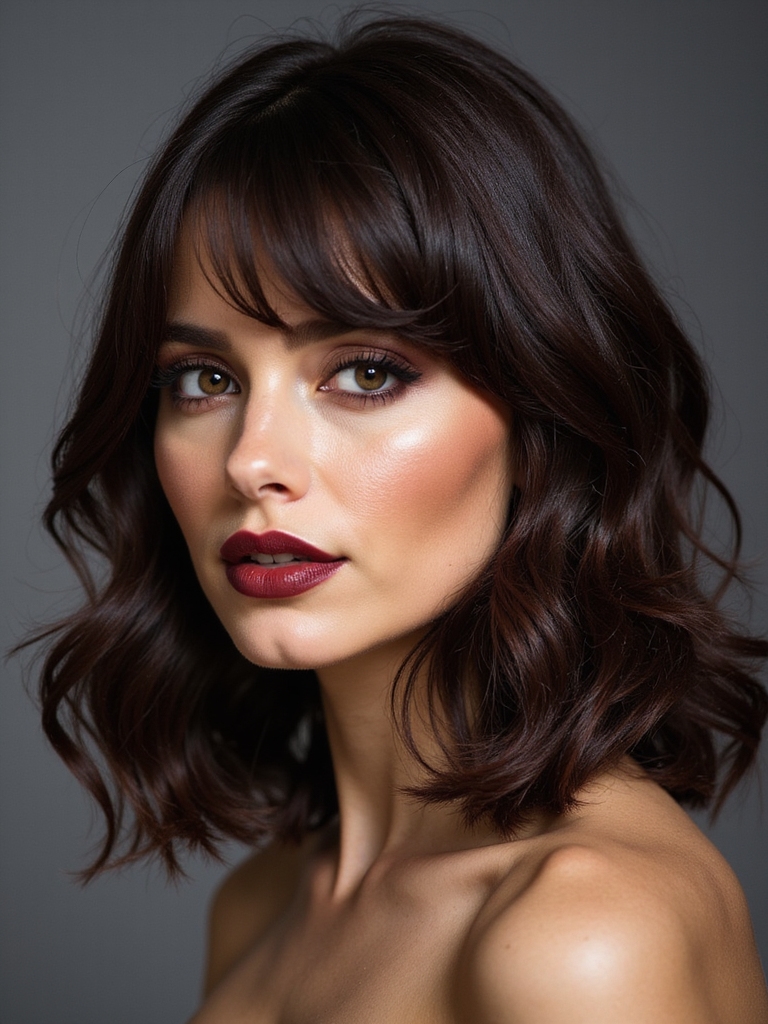
Because the difference between blunt and tapered layers can totally transform your look, it’s worth understanding how each style works for different hair types and face shapes.
• Blunt layers create sharp, defined edges—perfect for thick hair
- Tapered layers blend seamlessly, suiting fine or thin hair
- Your face shape matters: angular faces rock blunt; round faces love tapered
- Consider your styling commitment before choosing
- Tapered layers blend seamlessly, suiting fine or thin hair
Adding Layers to Straight Hair for Dimension

If you’ve got straight hair and you’re tired of the flat, one-length look, layering can absolutely transform your style.
I’m telling you, strategic layers create movement and texture without sacrificing length. They catch light beautifully and give your hair natural bounce.
Start with subtle layers around your face, then gradually deepen them toward the back for maximum dimension and that coveted effortless vibe.
Styling Products and Techniques for Maintaining Movement

Now that you’ve got those beautiful layers in place, here’s the real secret: the right products and techniques will keep that movement alive between salon visits.
- Volumizing mousse applied to damp roots
- Sea salt spray for texture and grip
- Blow-dry with a round brush for bounce
- Light texturizing cream for definition
You’ll maintain that gorgeous dimension effortlessly!
Layered Pixie and Undercut Variations

For those ready to make a bold statement, layered pixies and undercuts take the movement we’ve been discussing to an entirely new level. You’ll get edgy texture with serious attitude.
These cuts work fantastically if you’re willing to commit to regular trims and styling. The undercut especially gives you freedom to play with contrast and express your personality boldly.
How Often to Trim Layered Haircuts

You’ll want to schedule trims every 4-6 weeks if you’re rocking a layered cut—and honestly, this commitment’s what separates a gorgeous textured style from one that just looks grown out and messy.
Here’s why regular maintenance matters:
- Layers lose definition without consistent trims
- Your cut’s shape collapses faster than you’d think
- Split ends destroy that polished look
- Growth patterns get awkward between appointments
Trust me, staying on top of trims keeps your layers looking fresh and intentional.
Consulting With Your Stylist About the Perfect Layered Cut

Getting those trims locked in is half the battle, but the real magic happens when you’re sitting down with your stylist before the scissors even come out.
I’ve learned that sharing inspiration photos, discussing your hair texture, and being honest about your styling commitment makes all the difference. Your stylist can then customize layers that’ll work specifically for you, not just anyone.
You’ve got endless options when you’re ready to welcome layered movement! Whether you’re going short and chic or flowing and long, there’s a cut that’ll work with your hair type and lifestyle.
The key? Finding a stylist who gets your vision and understands how layers can transform your look. Trust the process, invest in quality products, and watch your hair come alive with that coveted bounce and dimension.