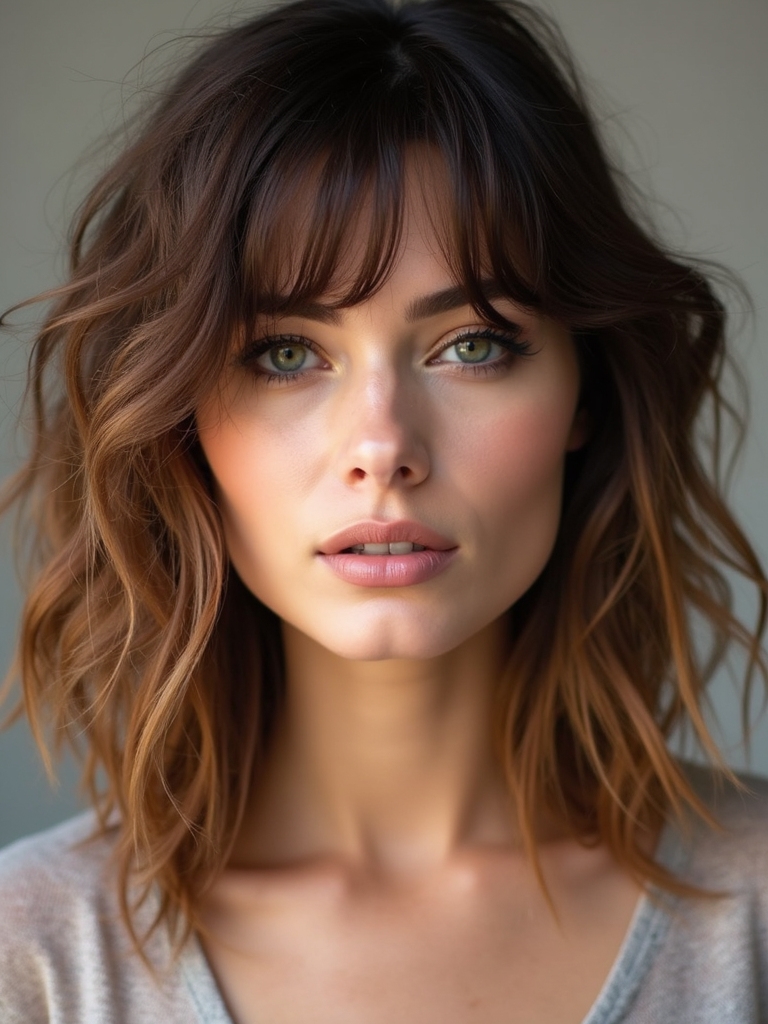
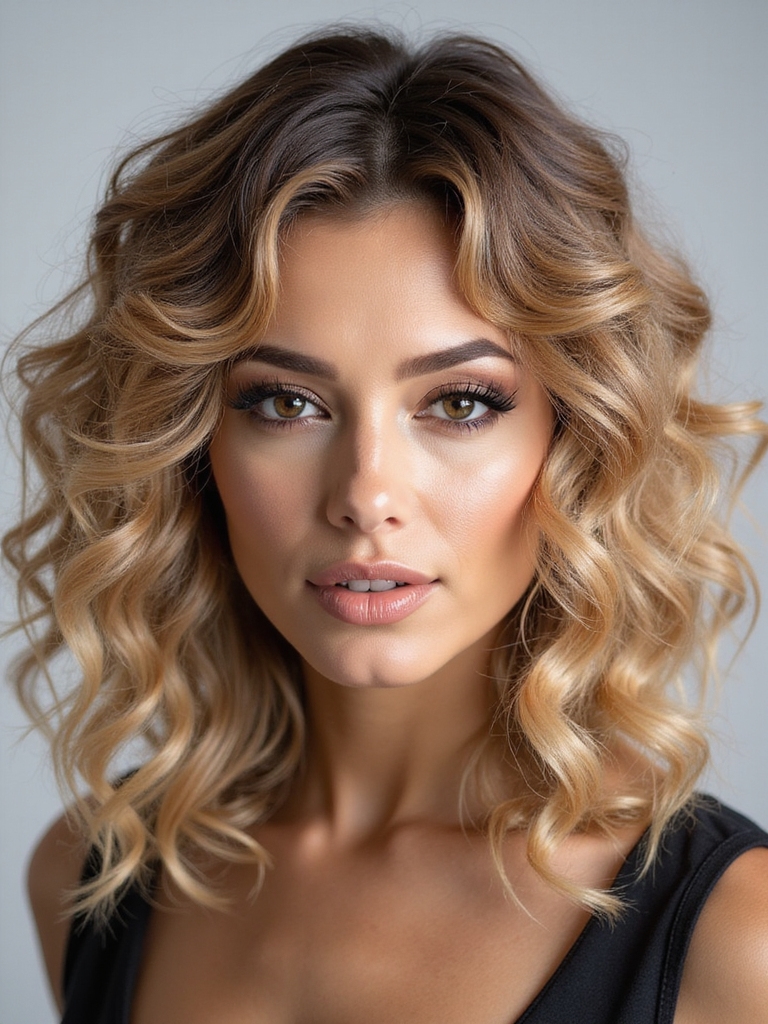
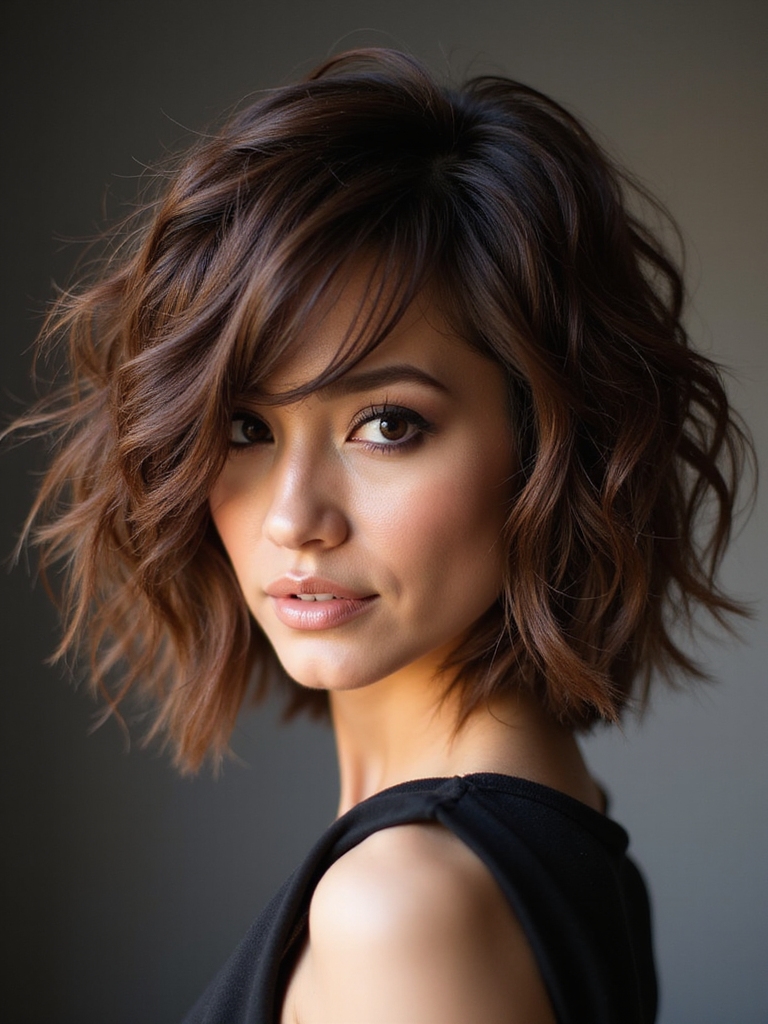
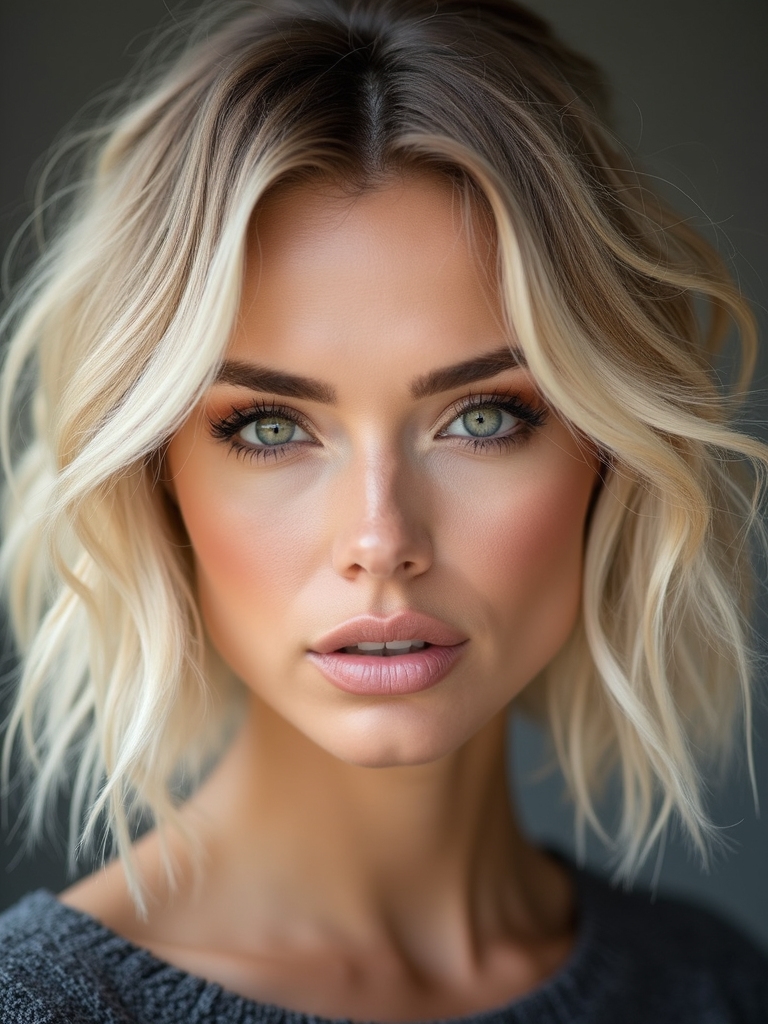
I’ve always found that the right fringe can completely transform your look—and shaggy layers? They’re the game-changer I keep coming back to. If you’re working with a high forehead or just craving that effortless, edgy vibe, there’s something magnetic about choppy, textured bangs.
But here’s what most people miss: the real magic isn’t just in the cut itself. It’s in understanding exactly how to style, maintain, and make these layers work specifically for you.
What Makes a Shaggy Fringe Different From Other Fringe Styles

While most fringe styles aim for uniformity and clean lines, shaggy fringes deliberately break that mold with their textured, layered approach.
I love how they create movement and dimension rather than sitting flat. You’ll find that shaggy fringes work with your hair’s natural texture instead of against it, giving you an effortlessly cool, undone vibe that’s honestly more forgiving than precise cuts.
They pair especially well with the shaggy layered haircut to enhance tousled, modern hair.
The Classic Shaggy Fringe for Modern Edge
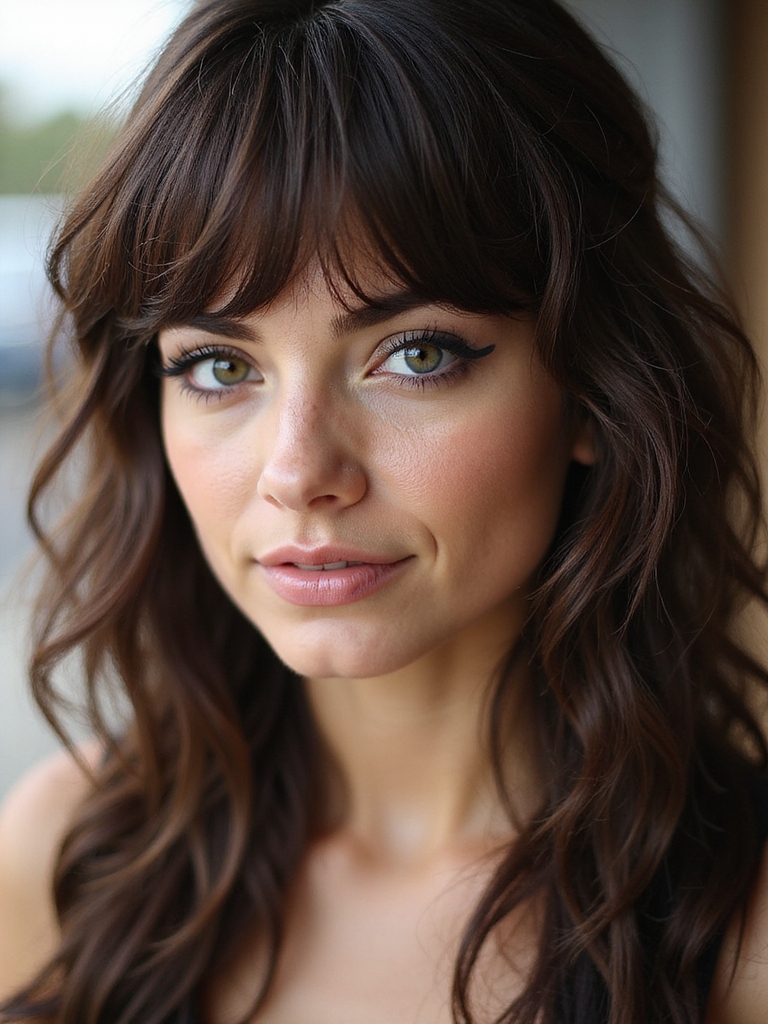
If you’re looking to dial up your edge without going full rock star, the classic shaggy fringe is your answer.
I’ve found it works beautifully because it’s effortlessly cool yet wearable. The textured layers fall naturally across your forehead, giving you that lived-in, undone vibe.
You’ll get attitude without the commitment, making it perfect for anyone wanting modern edge with everyday practicality. The cut pairs especially well with an effortless shag bob, which amplifies the tousled, shaggy look while keeping styling simple.
Textured Layers: The Key to Shaggy Fringe Movement

I’ve found that layering techniques are what truly bring shaggy fringes to life, creating that effortless movement you’re probably after.
When I build choppy texture through strategic cutting methods, I’m actually working with your hair’s natural fall rather than against it. The magic happens when each layer works independently, giving you that dimensional, lived-in look that makes shaggy fringes so undeniably cool.
Adding varied-length layers also helps create the classic layered shaggy silhouette that enhances movement and body.
Layering Techniques for Movement
Creating movement in shaggy fringe styles starts with strategic layering—and it’s honestly the most game-changing technique you can master.
I’m talking about cutting shorter pieces throughout your fringe that catch light differently. This creates dimension and flow that makes your hair move naturally.
You’ll notice how each layer works independently, giving you that effortless, textured look that actually requires serious skill.
This is especially effective for medium-length cuts like the Curly Shag, which benefits from textured layers to enhance natural bounce and definition.
Choppy Texture Building Methods
Texture’s where the magic really happens—it’s what transforms a basic fringe into that coveted shaggy, lived-in look you’re after.
I use point-cutting and razor techniques to create choppy layers that catch light beautifully.
These disconnected sections work together, giving your fringe movement and dimension.
The key? Strategic placement of shorter pieces throughout, so everything flows naturally without looking overdone.
Modern shag cuts also rely on textured layers to enhance movement and reduce bulk.
Shaggy Fringes for High Foreheads

I’ve found that shaggy fringes work wonders for high foreheads because they create the illusion of better face proportions by breaking up vertical space.
You’ll notice that textured bangs don’t just add movement—they also balance your features by drawing attention downward rather than emphasizing forehead height.
The key is choosing layers that graze your eyebrows naturally, which instantly makes your face feel more harmonious.
Shaggy bobs often pair well with these fringes because the shaggy bob adds complementary texture and shape to the overall hairstyle.
Lengthening Face Proportions
When you’ve got a high forehead, you’re probably tired of feeling like your face skews top-heavy—but here’s the good news: a shaggy fringe is your secret weapon.
Layered strands fall strategically across your forehead, creating visual balance and drawing attention downward. You’re instantly transforming your proportions without surgery or commitment.
The texture breaks up space beautifully, making your face feel more harmonious and grounded. Medium length shags also offer versatile layering that enhances movement and suits many hair types.
Textured Bangs Balance
The real magic happens when you layer those strands with intention—that’s where textured bangs truly shine for balancing a high forehead.
I’ve found that choppy, uneven layers draw the eye downward, creating visual proportion.
You’ll want varying lengths that break up your forehead space.
This textured approach feels modern and effortless while solving your proportional concerns beautifully.
Shoulder-length shags often use layered texture to enhance movement and frame the face.
Softening Angular Features With Shaggy Layers
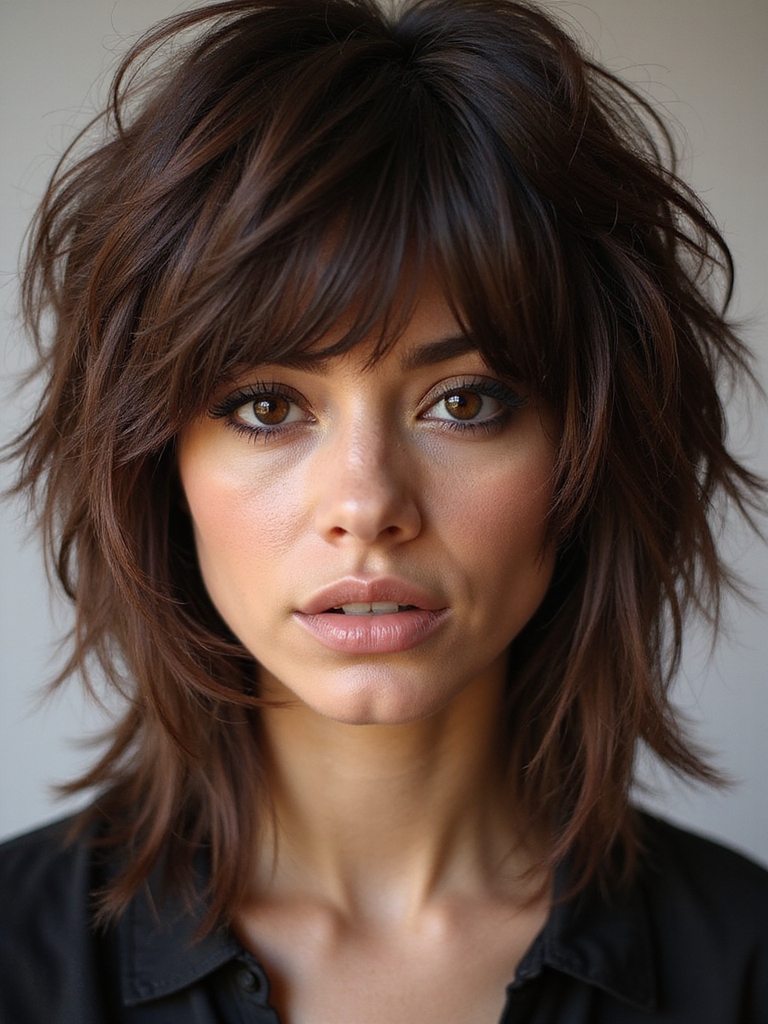
One of my favorite ways to transform a sharp, angular face is with strategically placed shaggy layers that work like soft brushstrokes around your features. They diffuse harsh lines and add movement where you need it most.
I’ve found that longer layers framing your cheekbones create an effortlessly chic look that balances strong jawlines beautifully. The Short Shaggy Bob is a great example of how length and texture can be combined to soften angles.
The Wolf Cut Fringe: Edgy and Effortless

I’m thrilled to introduce you to the wolf cut fringe, a bold style that combines textured layers and movement for an undeniably edgy look.
You’ll discover the styling products and techniques that’ll help you achieve that effortless, tousled finish every time.
Plus, I’ll walk you through our face shape compatibility guide so you can determine if this daring fringe is your perfect match.
The wolf cut fringe draws inspiration from the classic Shag Mullet to emphasize layered texture and volume.
Textured Layers and Movement
Blending the rebellious edge of a mullet with the face-framing softness of a shag, the wolf cut fringe delivers exactly what its name promises—wild, untamed texture that doesn’t sacrifice sophistication.
You’ll love how it moves:
- Choppy layers create natural bounce
- Wispy ends frame your face beautifully
- Minimal styling keeps it effortlessly cool
This cut transforms your forehead into a statement, giving you edge without trying too hard.
Styling Products and Techniques
Nailing the wolf cut fringe‘s signature undone vibe doesn’t require a salon visit every week—you’ll actually need minimal products and technique to keep it looking intentionally messy.
I’d recommend a lightweight texturizing spray and your fingers. Scrunch it while damp, let it air-dry naturally, then tousle with a bit of product. That’s honestly it. You’re going for deliberately tousled, not polished.
Face Shape Compatibility Guide
Does the wolf cut fringe work for every face shape? I’ve found it’s incredibly versatile, but here’s what matters:
- Round faces benefit from the length and angles that elongate
- Square jawlines gain softness from the choppy, textured layers
- Oval faces rock this style effortlessly—you’re lucky!
Your face shape shouldn’t limit your edgy vision.
Choppy Shaggy Fringes for Maximum Texture

If you’re craving a fringe that screams personality and movement, choppy shaggy fringes are your answer.
I’m telling you, the jagged layers create incredible texture and dimension that catches light beautifully.
They’re versatile too—work with straight hair, curls, or waves.
The choppy cuts minimize styling effort while maximizing impact.
You’ll get that effortlessly cool, undone vibe that’s totally on-trend right now.
Styling Your Shaggy Fringe for Everyday Wear

I’ve found that keeping your shaggy fringe looking intentional doesn’t require much effort—you’re really just working with what you’ve got.
- Tousle with texturizing spray for movement
- Dry with your fingers, not a brush
- Welcome the natural messiness—that’s the whole point
Your fringe works hardest when you stop overthinking it.
Creating Volume and Dimension With Layered Fringes

While a simple shaggy fringe works beautifully on its own, layering takes it to the next level—you’ll get movement that catches light and dimension that frames your face in all the right ways.
I’m talking textured, choppy layers that create depth. Ask your stylist for shorter pieces around your face and longer ones underneath. This contrast gives you that effortless, edgy vibe that’s totally worth it.
Shaggy Fringes for Different Hair Types

I’ve found that shaggy fringes work differently depending on your hair’s natural texture, so let me break down what’ll actually work for you.
If you’ve got thick hair, you’re lucky—you can rock choppy, heavily layered fringes that’ll showcase movement without looking sparse. But if your hair’s fine, I’d recommend keeping the layers more subtle and strategic so your fringe doesn’t look wispy or thin.
Thick Hair Texture Options
When you’ve got thick hair, a shaggy fringe isn’t just an option—it’s a game-changer. You’ll love how this style works with your natural texture instead of fighting it.
- Adopt choppy layers that add movement without requiring constant styling
- Skip blunt cuts—jagged edges blend seamlessly with thick strands
- Rock longer fringes that graze your eyebrows for effortless dimension
Fine Hair Styling Tips
Fine hair demands a completely different approach to shaggy fringes than thick textures do.
I’d recommend asking your stylist for shorter, choppy layers that won’t weigh down your delicate strands. You’ll want regular trims every 4-6 weeks to maintain that textured look.
Lightweight styling products and minimal heat work best for keeping your fringe bouncy and full.
Color and Highlights to Enhance Your Shaggy Fringe

How can you transform your shaggy fringe from good to absolutely stunning? I’ll tell you—color and highlights make all the difference.
- Dimensional balayage adds depth and movement to your layers
- Face-framing blonde pieces brighten your complexion instantly
- Subtle lowlights create texture and prevent a flat appearance
You’ve got this!
Maintenance and Trimming Schedule for Shaggy Fringes

Your shaggy fringe won’t stay camera-ready without regular maintenance, and I’m here to tell you that’s actually the fun part!
I recommend trimming every four to six weeks to keep those layers sharp and textured.
Between appointments, you’ll want to style with a texturizing spray or lightweight pomade.
This keeps your fringe looking intentionally tousled rather than neglected.
Believe me, consistency transforms your look completely.
Celebrity Inspiration: Icons Rocking Shaggy Fringes

When you’re considering a shaggy fringe, celebrities constantly prove it’s one of the most versatile cuts out there.
- Zendaya rocks effortless, textured layers that frame her face beautifully
- Timothée Chalamet sports longer, tousled fringes with modern edge
- Bella Hadid pairs shaggy bangs with sleek styles for contrast
I’m convinced you’ll find your perfect shaggy fringe inspiration here!
Blow-Drying Techniques for the Perfect Shaggy Look

Getting that coveted shaggy fringe to fall just right? I’ve found that blow-drying with your head tilted forward creates incredible texture and movement.
Use a round brush to separate sections, then direct the dryer upward through the layers. Finish with a quick cool shot to set everything in place.
You’ll nail that effortlessly tousled vibe every time!
Transitioning From Other Fringe Styles to Shaggy Layers

If you’ve been rocking a blunt bang or side-swept fringe, making the jump to shaggy layers might feel intimidating—but I promise it’s easier than you’d think.
I’ll guide you through the shift:
- Gradually request longer layers during trims
- Ask your stylist to texturize existing bangs
- Adopt the grow-out phase with styling tricks
You’ll love how shaggy layers add movement and dimension to your look!
You’ve got this! A shaggy fringe isn’t just a cut—it’s your ticket to effortless edge and undeniable style. If you’re welcoming choppy layers or wispy texture, you’re choosing a look that works with your hair, not against it.
Grab those texturizing sprays, schedule your trims, and let your fringe do the talking. You’ll love how it frames your face and transforms your entire vibe.