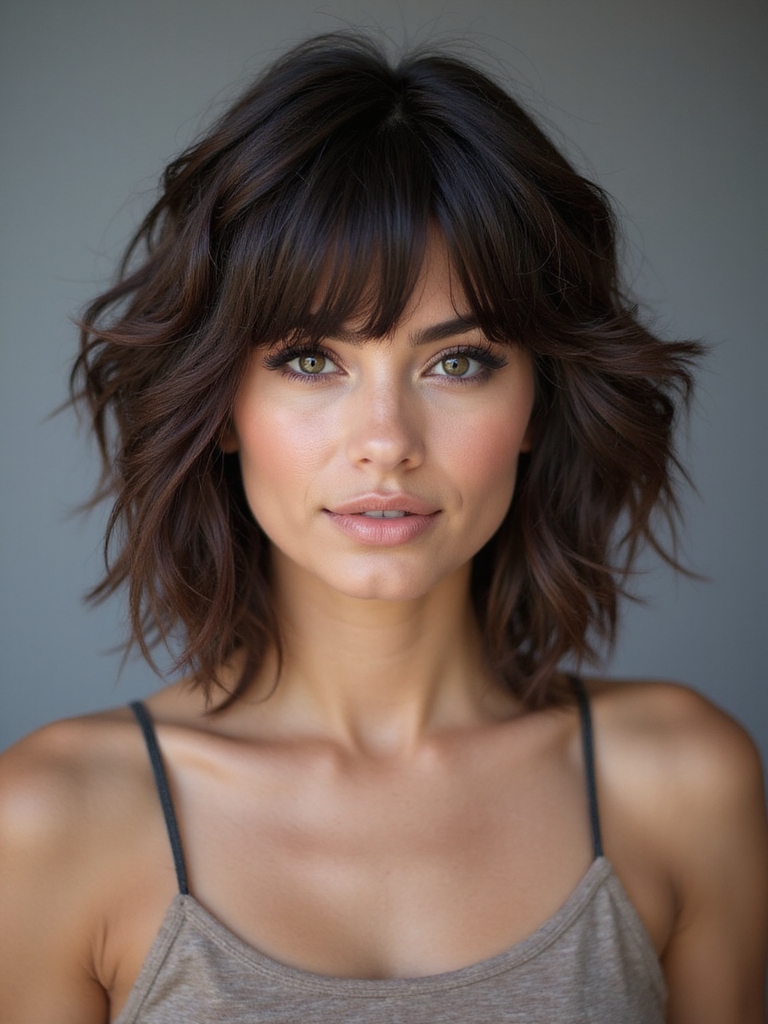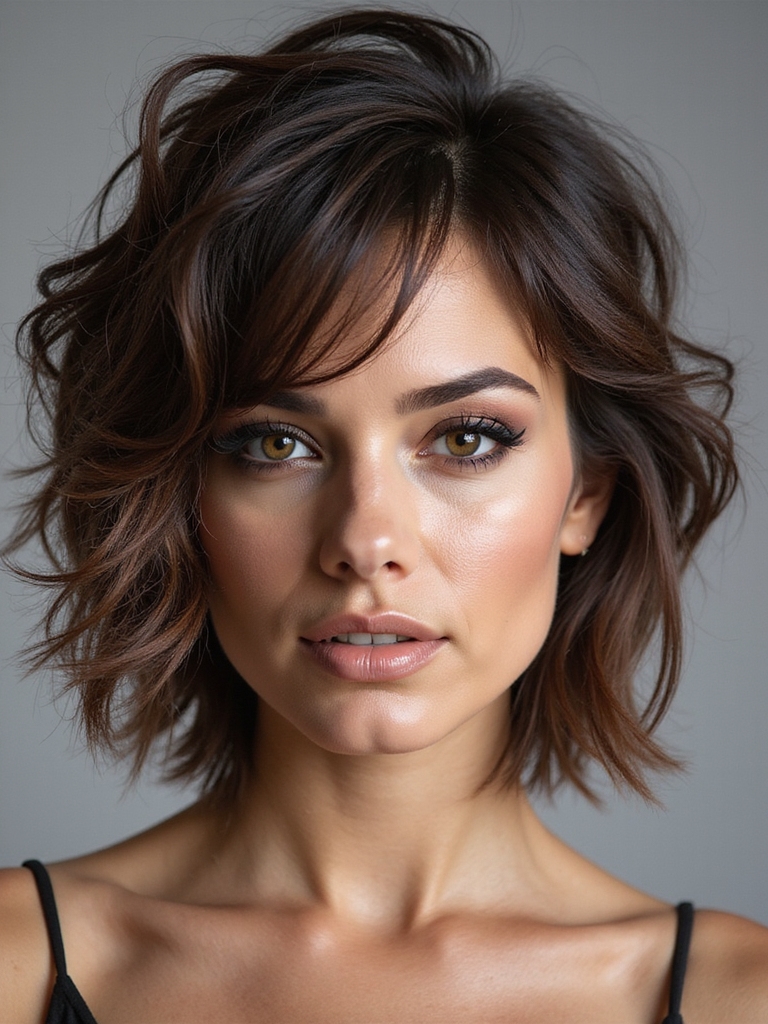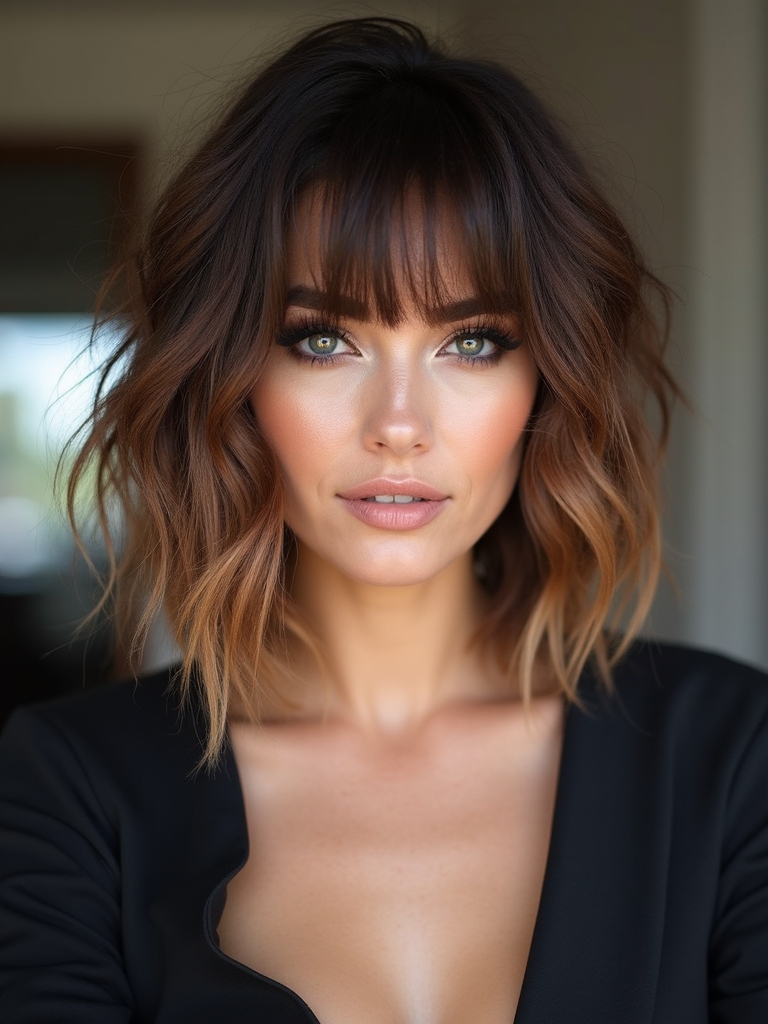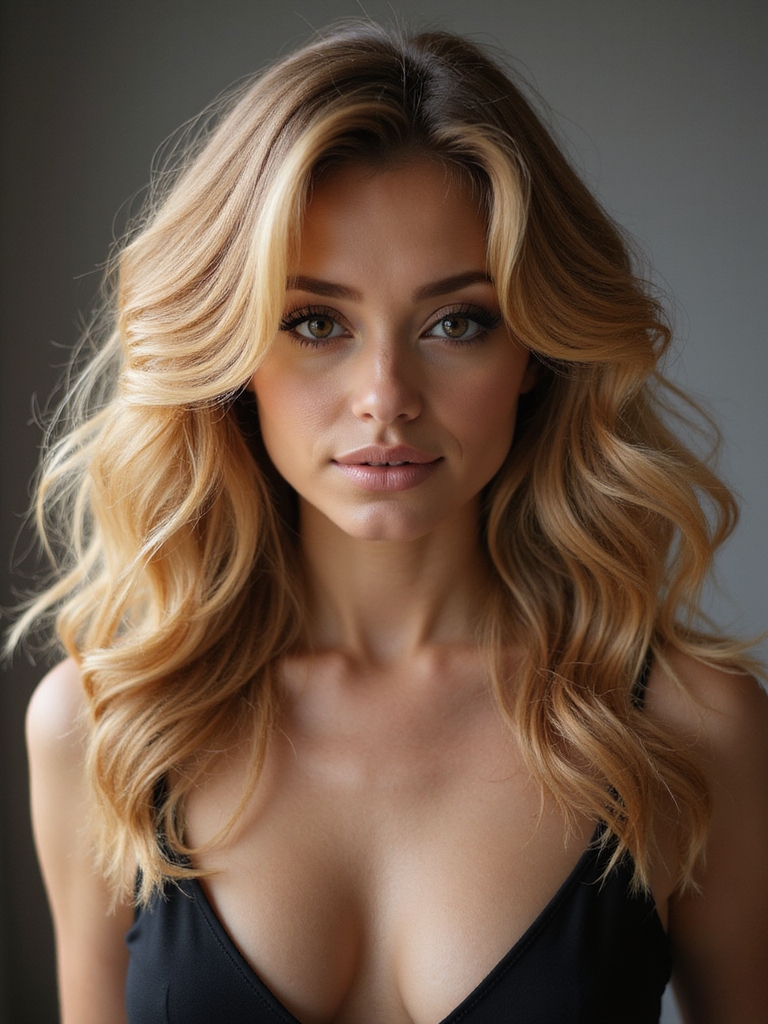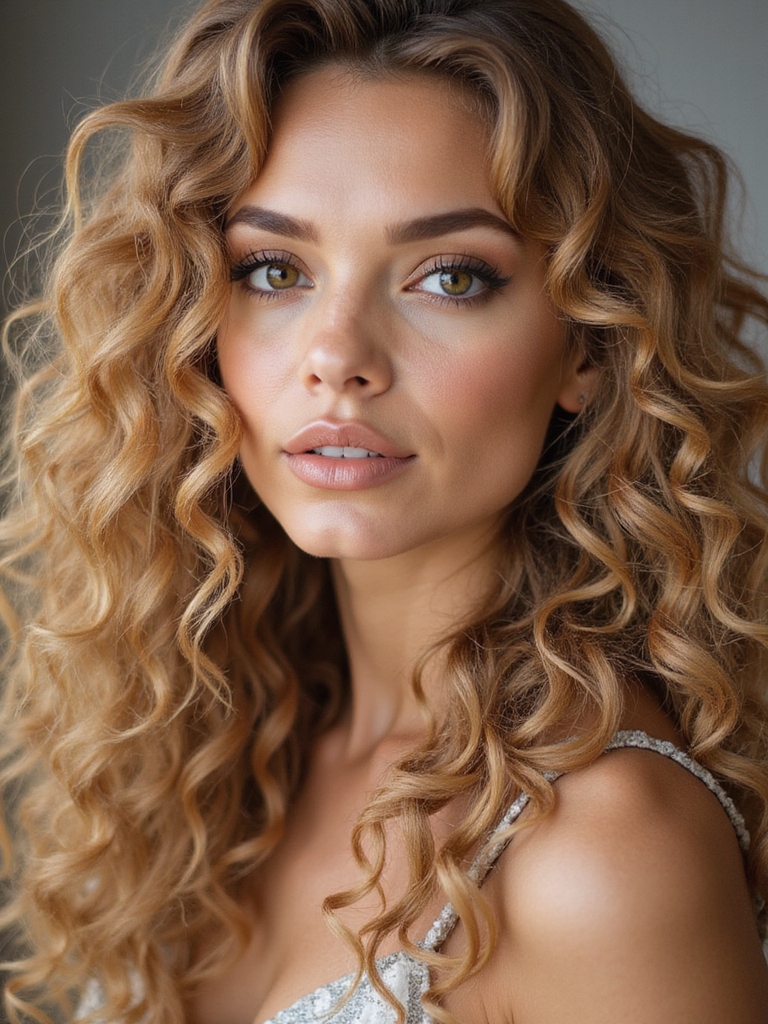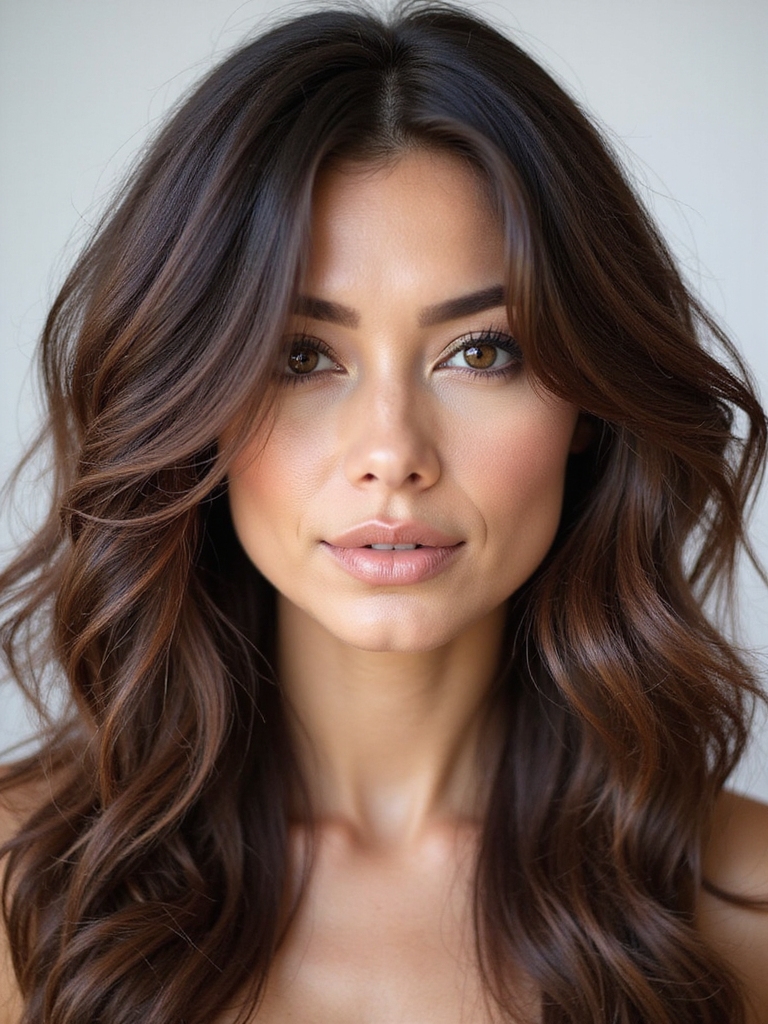
I’ve watched countless people transform their look with layered shaggy hair, and here’s what I’ve learned: the difference between a great cut and an extraordinary one comes down to understanding how texture actually works.
You’re probably wondering why some shags look effortlessly soft while others feel choppy and disconnected. Let me show you exactly what separates the two.
Understanding the Shaggy Layer Cut
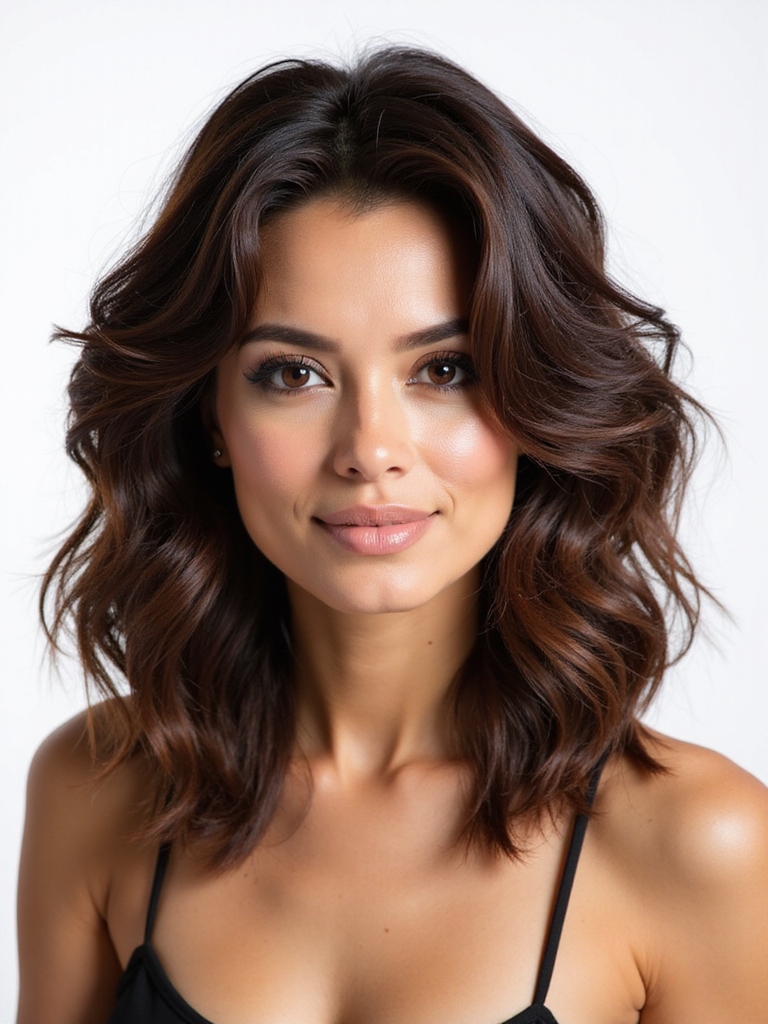
Since you’re probably wondering what makes a shaggy layer cut different from other choppy styles, here’s the breakdown: it’s all about creating texture and movement through strategically placed shorter pieces that blend into longer lengths.
I’m talking soft, piece-y layers that work together, not against each other. The result? Effortless volume and that coveted lived-in vibe you’ll absolutely love. Modern shag cuts often incorporate layered shaggy hair to enhance natural texture and ease styling.
Why Soft Texture Matters in Modern Hair Design
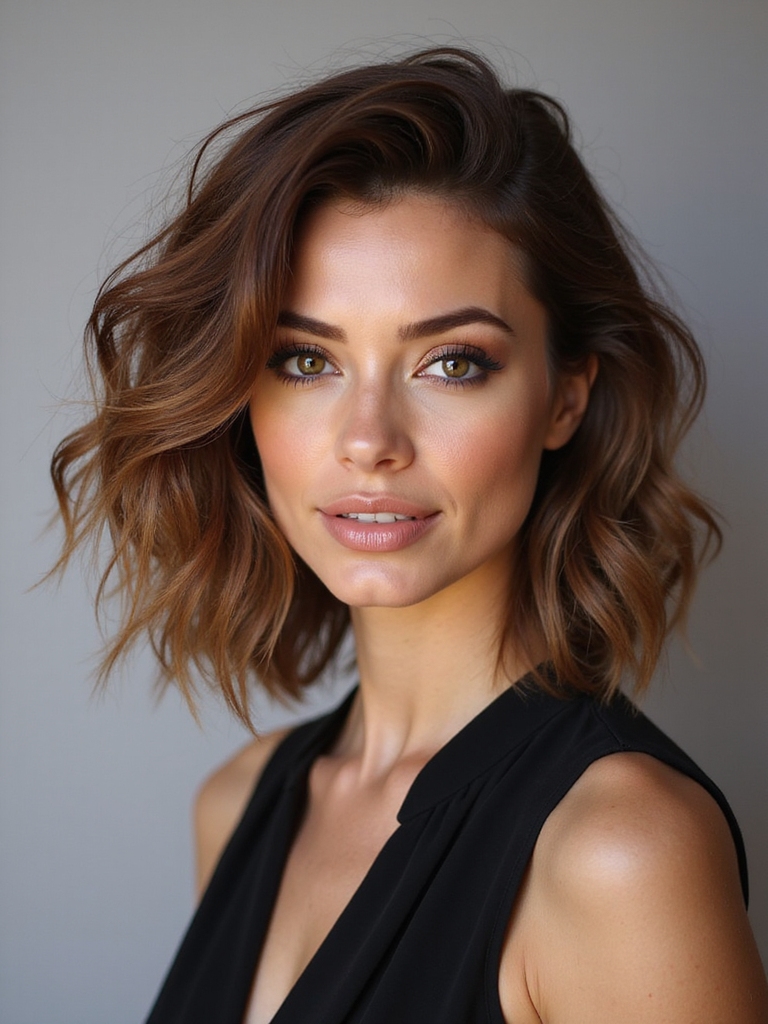
Because sharp, blunt cuts can feel dated, I’ve noticed that soft texture is what separates a trendy look from one that’ll feel tired in a few months.
- Movement: Textured layers create natural flow that frames your face beautifully
- Versatility: You can style soft layers multiple ways for different vibes
- Low maintenance: Texture hides imperfections and requires less frequent trims
Textured layering techniques are especially effective for medium-length shag styles, enhancing volume and effortless movement.
Best Hair Types for Layered Shaggy Styles
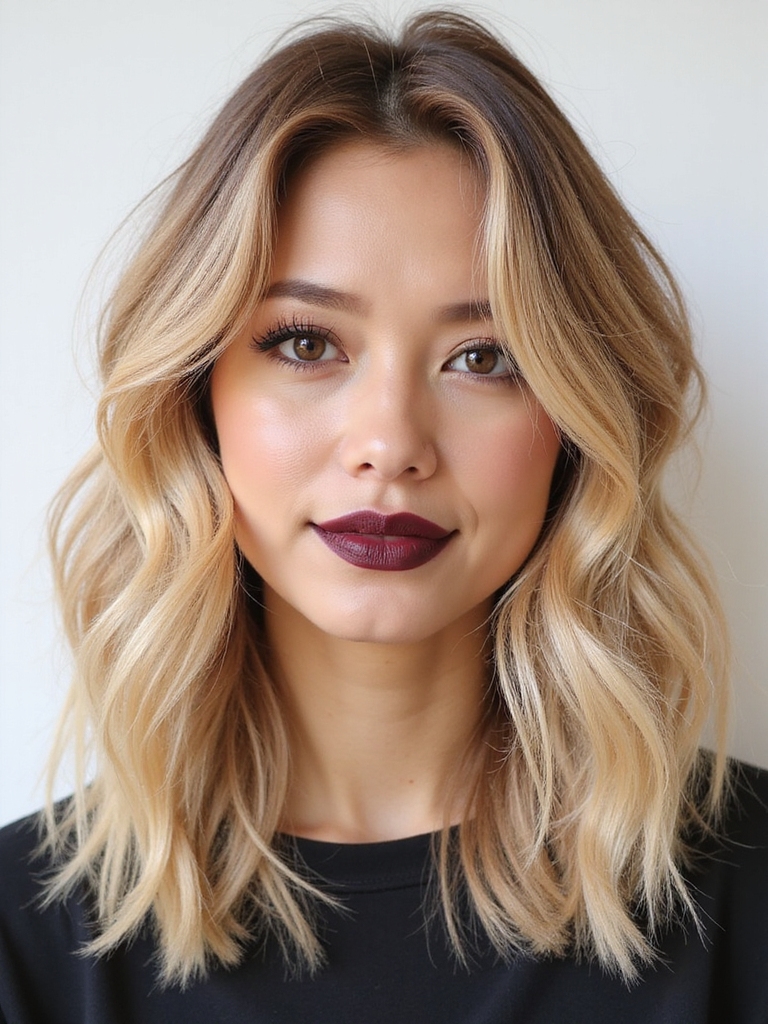
Not all hair types are created equal when it comes to rocking layered shaggy styles, and I’ve found that understanding your hair’s natural characteristics is essential before you commit to the cut.
Wavy and curly hair naturally thrives with layers, creating effortless movement and texture. Straight hair works too, but you’ll need regular styling to maintain that coveted shaggy appeal. Long shag cuts also work well across every texture.
The Science Behind Creating Movement
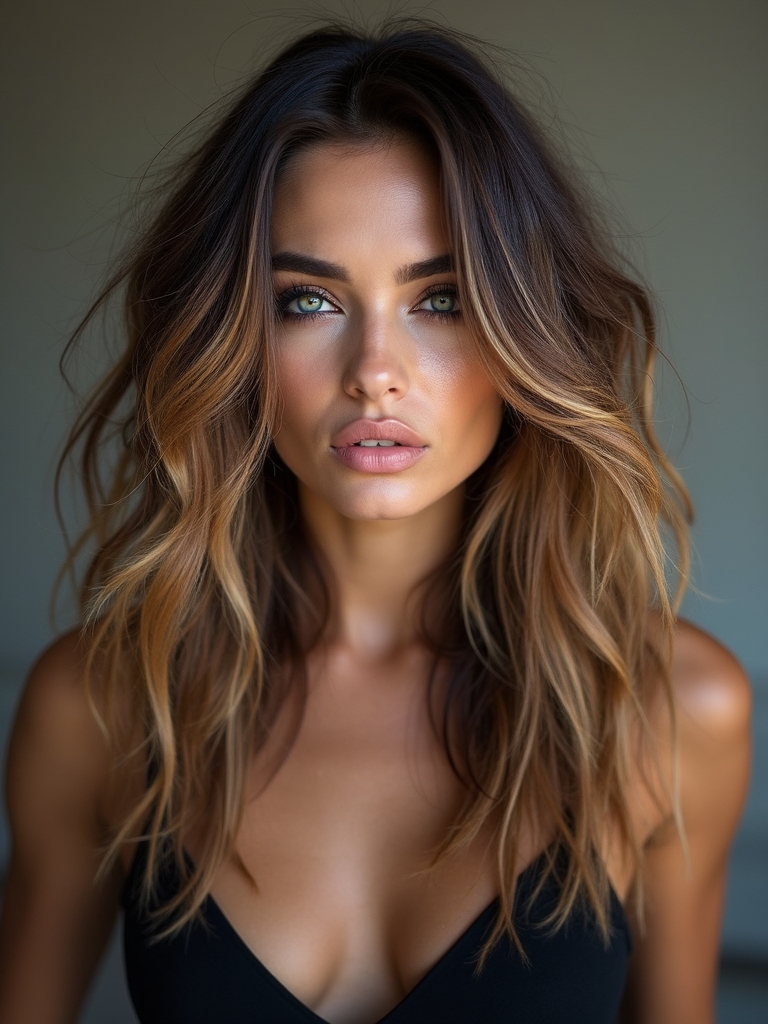
When you’re ready to understand why layered shaggy cuts actually work, it all comes down to how your stylist strategizes the angle and depth of each layer.
- Angle matters: Cutting at 45-degree angles creates natural movement and bounce
- Texture variation: Shorter layers on top give volume; longer ones add flow
- Weight distribution: Strategic thinning prevents flatness while maintaining shape
Shag haircuts emphasize texture and movement by combining varied layer lengths and strategic texturizing.
Techniques for Achieving Maximum Softness
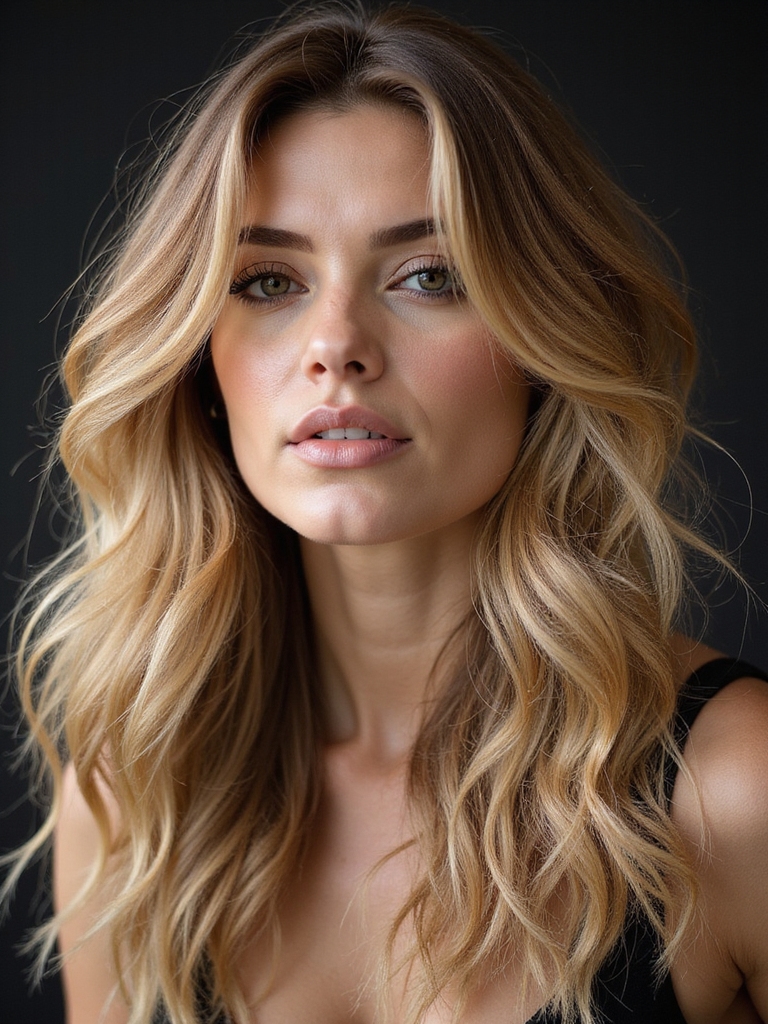
Once you’ve mastered the structural foundation of layered cuts, it’s time to focus on what’ll make your hair feel absolutely incredible to touch. I’m talking about using razor techniques for feathered edges and point-cutting for texture.
You’ll want deep conditioning treatments weekly, quality products matching your hair type, and precise styling with a diffuser. These methods transform your layers into butter-soft, touchable strands. For added dimension, consider incorporating shaggy cut techniques that enhance movement and natural texture.
Customizing Layers for Your Face Shape
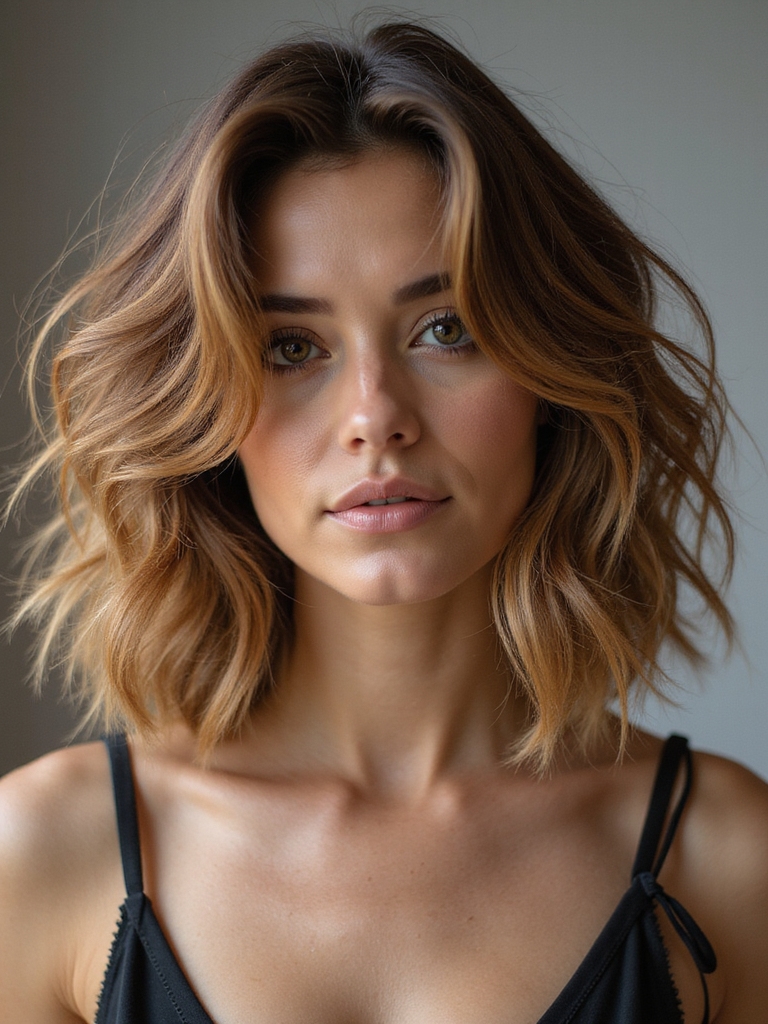
I’ve found that customizing your layers makes all the difference—if you’ve got a round face, I’d recommend adding volume at the crown to create length, while square jawlines benefit from softer, shorter layers that break up angular features.
For oval faces, you’re lucky because balanced proportions let you play with various layer depths without worrying too much about throwing off your features.
The key is working with your face shape rather than against it, so you’ll actually love how your shaggy cut frames your unique features.
A classic shag works well on many textures because it creates movement with layered cutting and enhances natural texture.
Round Faces Need Volume
Since round faces tend to emphasize width rather than length, layered shaggy hair’s got your solution built right in. I’ll show you how strategic layers create the illusion of length and definition.
- Longer layers frame your cheekbones beautifully
- Side-swept bangs elongate your face shape
- Textured layers add height at the crown
Effortless styling and a tousled finish make the shaggy bob a go-to for adding movement and edge to your look, especially when you incorporate shaggy bob techniques.
Elongate Square Jawlines Softly
While square jawlines project strength and definition, you’ll want to soften those angles with strategic layering that works with your natural bone structure rather than against it.
I’d recommend longer layers around your face that graze your jawline, creating movement and fluidity. This approach elongates your features while maintaining the texture you’re after without compromising your style’s edge.
Consider incorporating medium length layers for everyday versatility and soft texture that complements the shaggy look.
Balance Oval Face Proportions
Oval faces are nature’s gift for versatility—you’ve got the freedom to rock almost any layered shag design without worrying about unflattering proportions.
I’d recommend focusing on these key moves:
- Add shorter layers around your crown for dimension
- Keep longer pieces framing your cheeks softly
- Blend choppy textures throughout for movement
You’ll maximize your face’s natural balance effortlessly. A modern shag benefits from texture and movement to keep the style fresh and effortless.
Styling Products That Enhance Texture
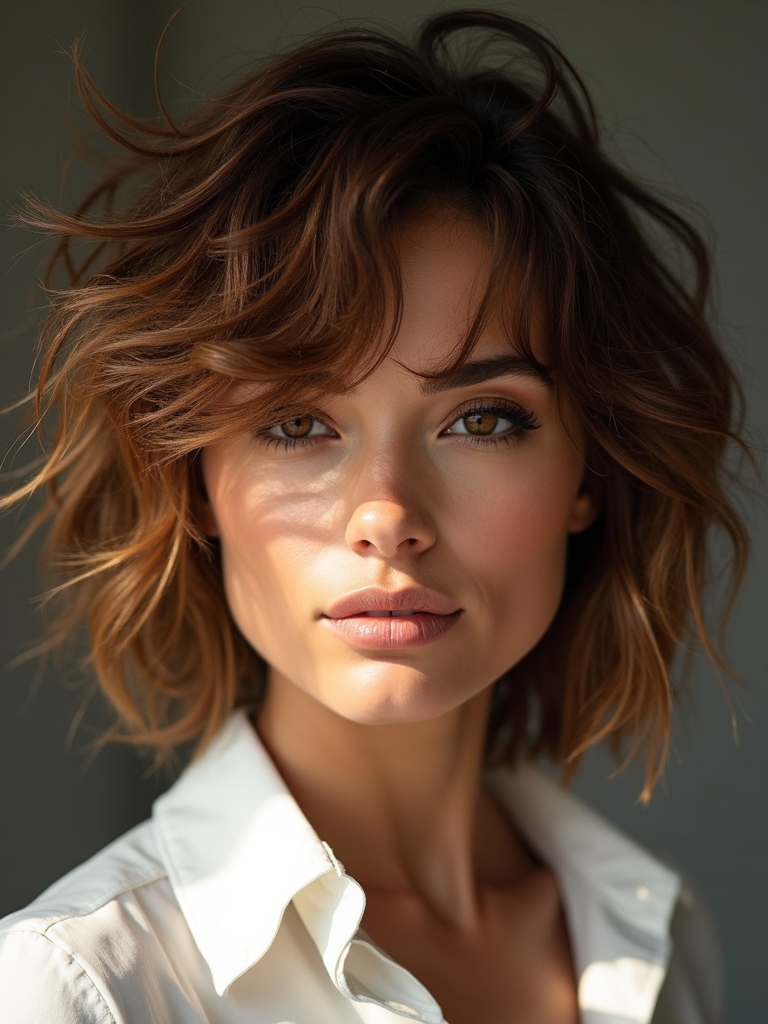
To bring out the best in your layered shaggy hair, you’ll want to dial in the right products that amplify texture rather than weigh it down.
I recommend lightweight texturizing sprays, sea salt mists, and volumizing mousses. These won’t flatten your layers.
Skip heavy oils and thick creams.
Instead, try dry shampoo for grip and texture paste for definition.
You’ll love how these products enhance your natural movement.
The look is inspired by the blonde shaggy retro style and updated for modern silhouettes.
Daily Maintenance Routines for Soft Layers
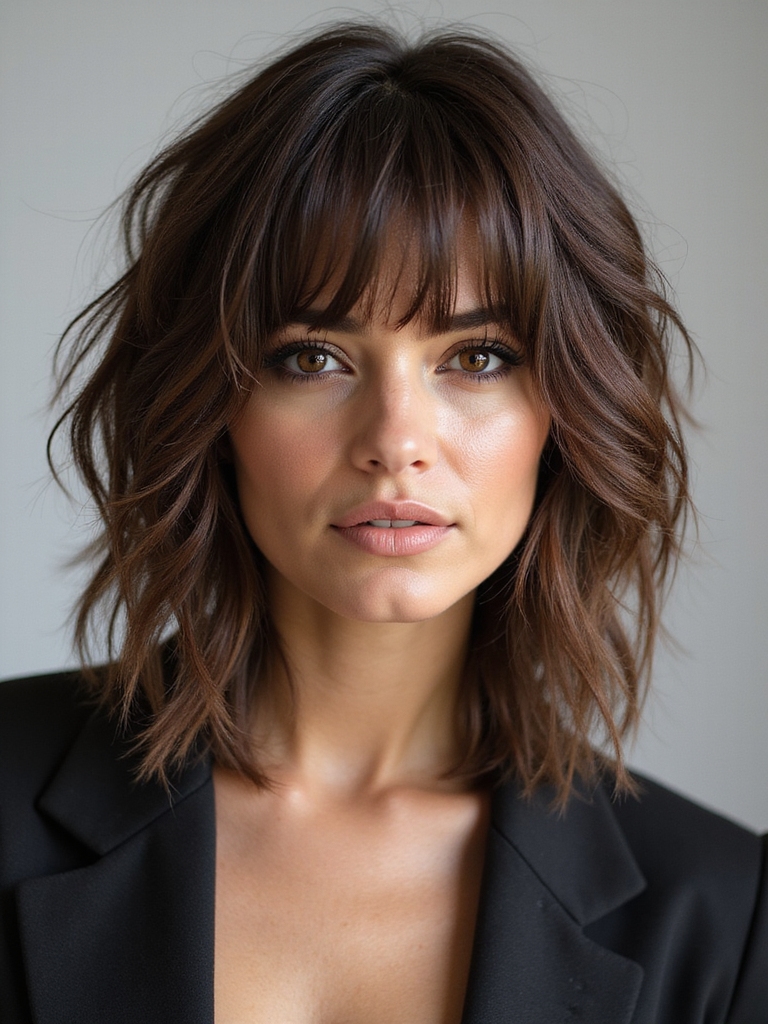
Every morning, I start with a quick finger-comb through my layers to reactivate the texture from the day before—no need for a full wash.
- Spritz with lightweight sea salt spray for instant texture boost
- Apply leave-in conditioner to mid-lengths and ends only
- Scrunch upward gently to encourage natural movement and definition
This routine keeps my layers looking fresh without daily styling stress.
How to Add Dimension Without Damage
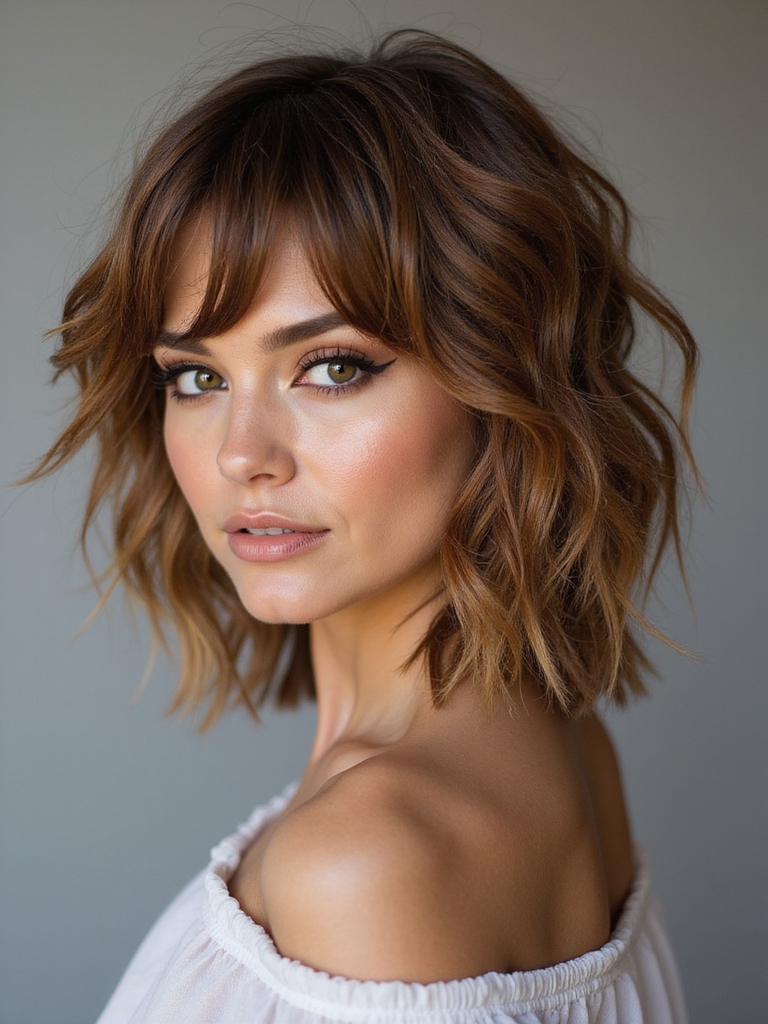
While keeping my layers healthy with daily maintenance is important, I’ve found that adding dimension through color is what really makes them pop.
I’ve learned that balayage and babylights won’t damage my soft layers like traditional highlighting does. They’re gentler, more strategic, and create natural-looking depth. I space out sessions every twelve weeks, allowing my hair recovery time between treatments.
Shaggy Layers for Curly Hair
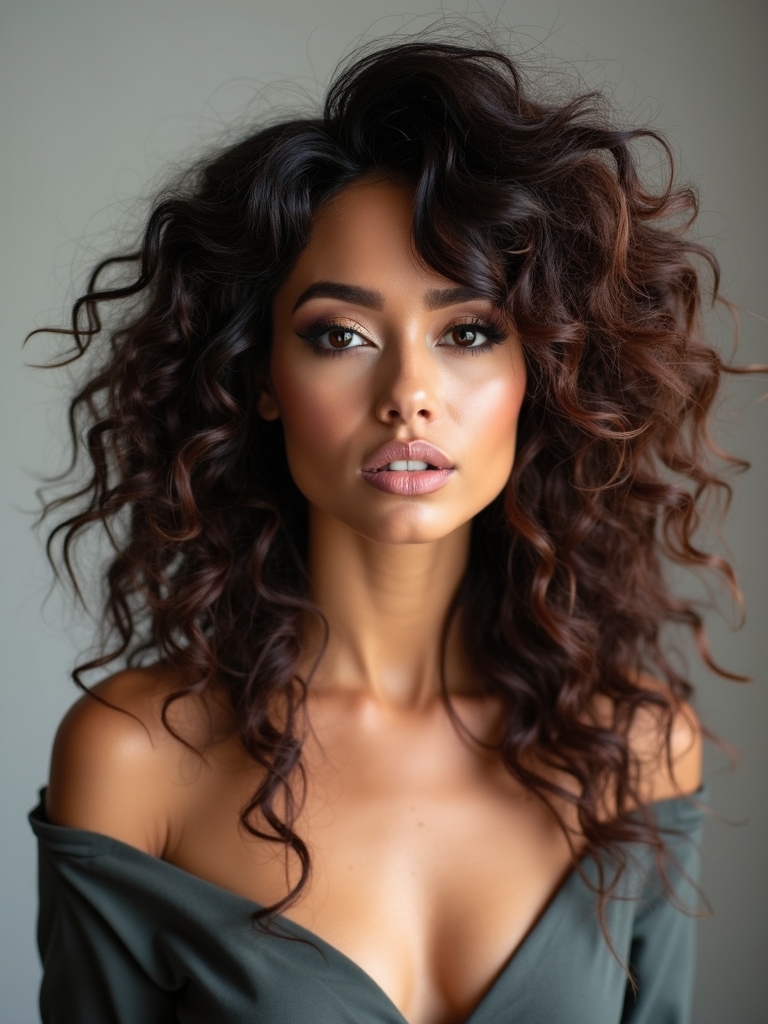
I’ve found that shaggy layers work beautifully on curly hair when you’re intentional about texture enhancement—think strategic point-cutting that encourages your curls to spring up rather than weigh down.
You’ll want to master curl definition styling techniques like scrunching products upward and diffusing on low heat, which’ll bring out those gorgeous ringlets without frizz.
The key’s matching your layer placement to your curl pattern, so each section frames your face while maintaining that enviable movement and bounce.
Texture Enhancement Techniques
Because curly hair’s natural texture can sometimes look flat or shapeless, strategic layering is your secret weapon for bringing out its best features.
- Point-cutting techniques create movement and reduce bulk without sacrificing length
- Texturizing shears add dimension and encourage natural curl patterns
- Undercut layers provide lift at the roots for fuller volume
Curl Definition Styling
Once you’ve got your layers cut in place, styling becomes your next power move for making those curls shine.
I’d recommend applying a curl-defining cream to damp hair, then scrunching upward to encourage bounce.
Use a diffuser attachment on low heat, or let air-dry for natural texture.
This combo locks definition while keeping your shag looking effortlessly lived-in and voluminous.
Shaggy Layers for Straight Hair
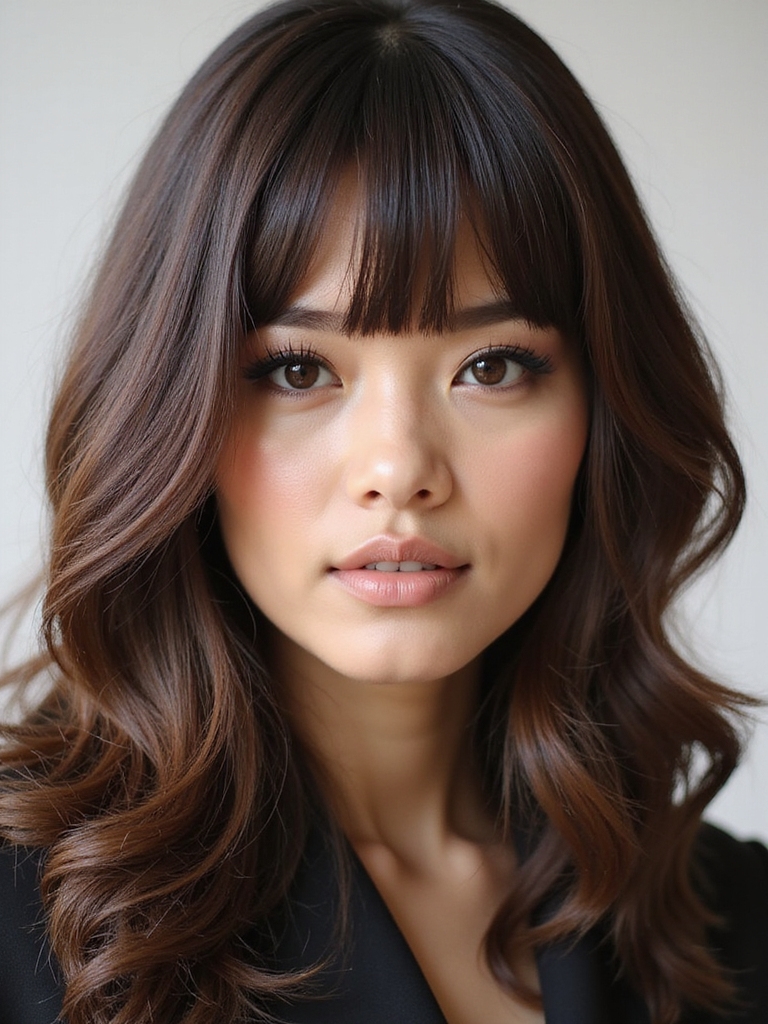
With straight hair, you’ve got a perfect canvas for shaggy layers that’ll add movement and texture without relying on natural waves to do the heavy lifting.
I’ll show you how to maximize this style:
- Ask your stylist for choppy, disconnected layers throughout
- Use a texturizing spray for grip and definition
- Blow-dry with a round brush, lifting sections upward
You’ll get that effortless, lived-in look instantly.
Professional Cutting Methods Explained
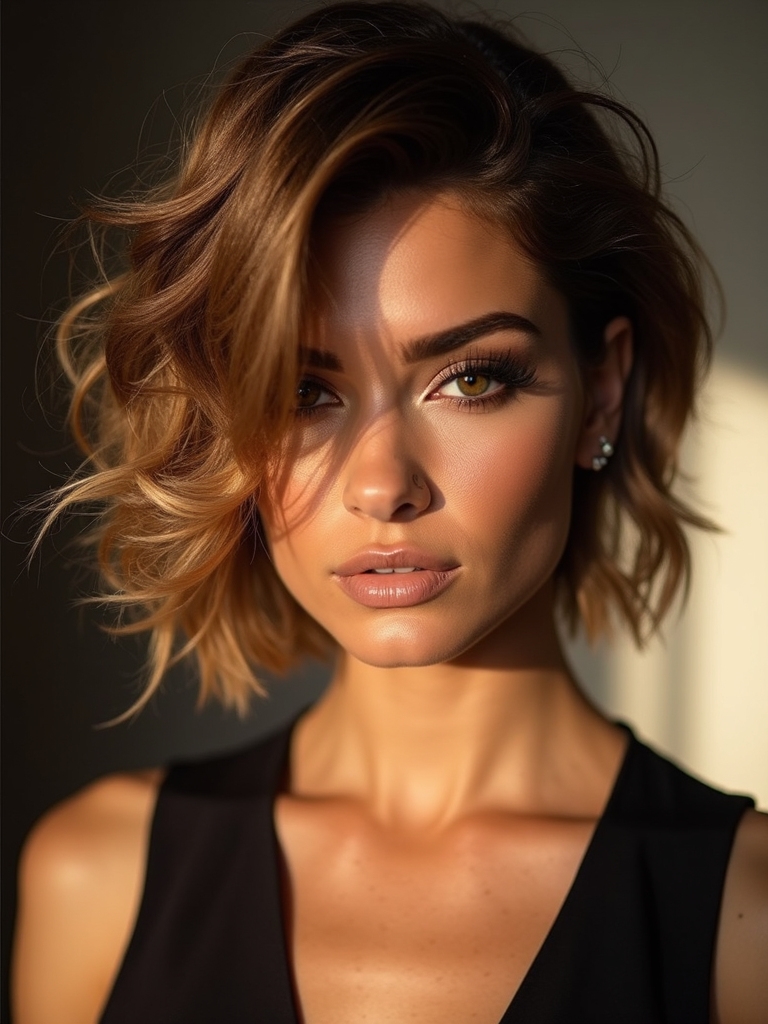
Let me break down the techniques that separates the pros from the amateurs—because how your stylist cuts those layers makes all the difference in how they’ll actually look on you.
I’m talking point-cutting for texture, razor techniques for movement, and scissor-over-comb methods that create dimension. Professionals blend these approaches strategically, considering your hair’s density and natural flow.
That’s what transforms an average cut into something genuinely stunning.
At-Home Styling Tips and Tricks
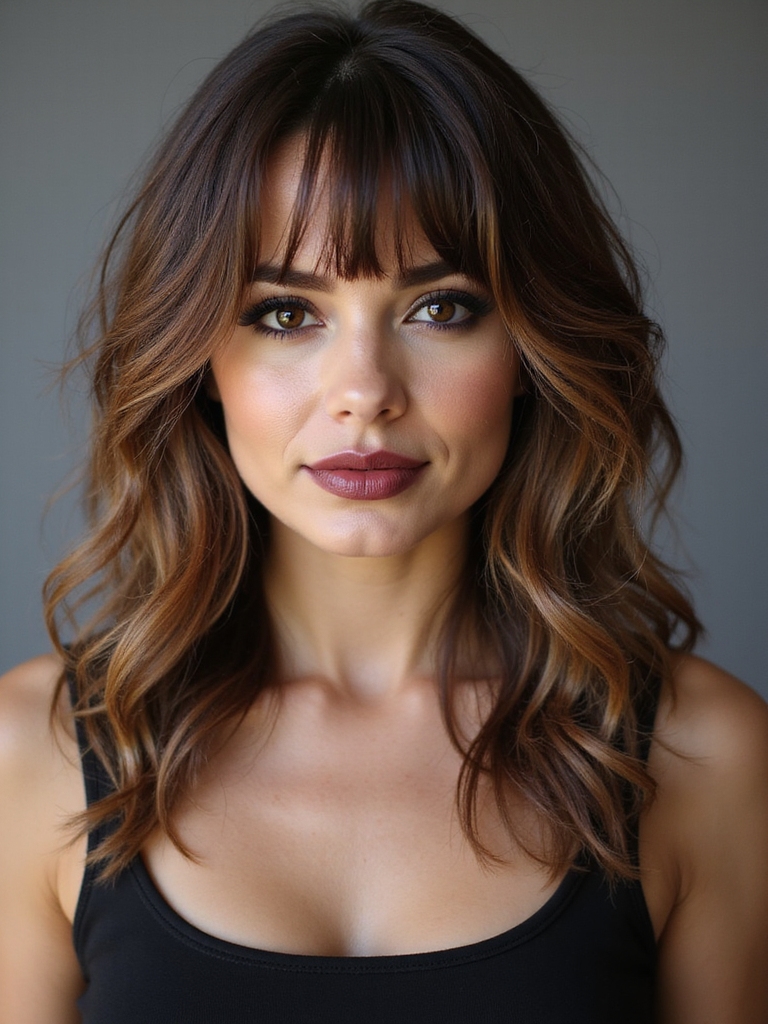
Now that you’ve got that gorgeous layered cut, you’ll want to style it properly at home to keep it looking fresh between salon visits.
- Use a texturizing spray to enhance your shag’s natural movement
- Blow-dry with your fingers for that tousled, effortless vibe
- Apply lightweight leave-in conditioner to prevent frizz and maintain softness
Preventing Frizz and Maintaining Shape
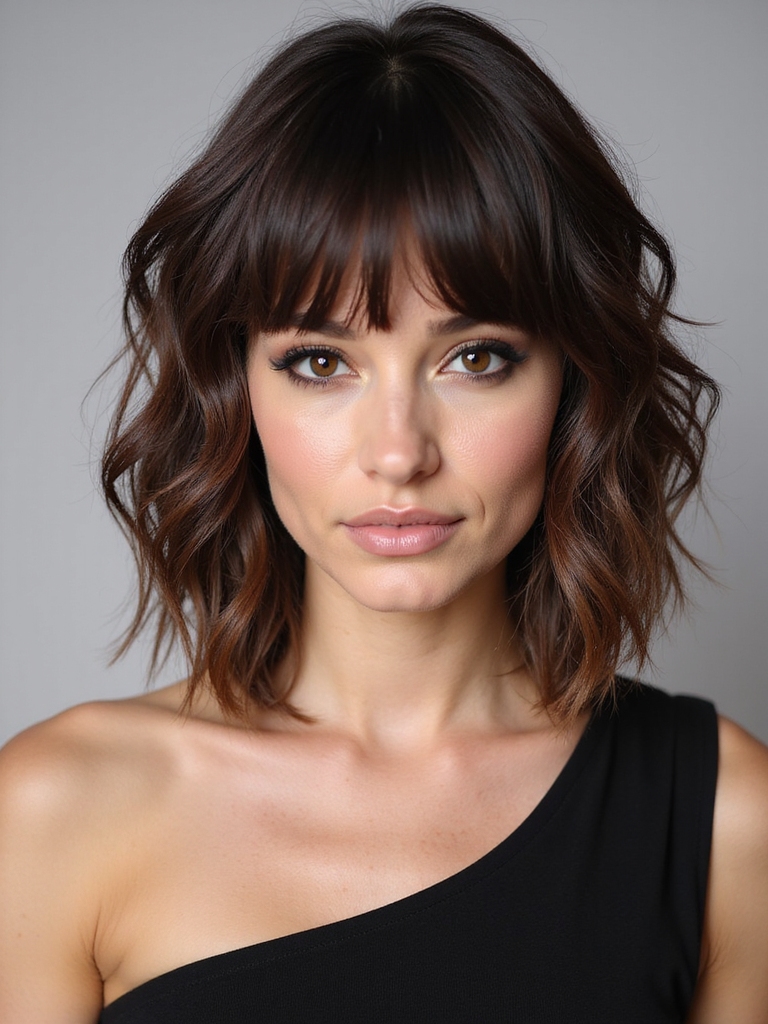
While those styling techniques keep your shag looking sharp day-to-day, the real challenge emerges when humidity rolls in or you go a few days without rejuvenating your style.
I’ve found that a lightweight anti-frizz serum works wonders, and revitalizing your layers with a quick blow-dry every other day maintains that coveted shape.
You’ll notice the difference immediately.
Trending Variations of the Shaggy Layer Cut
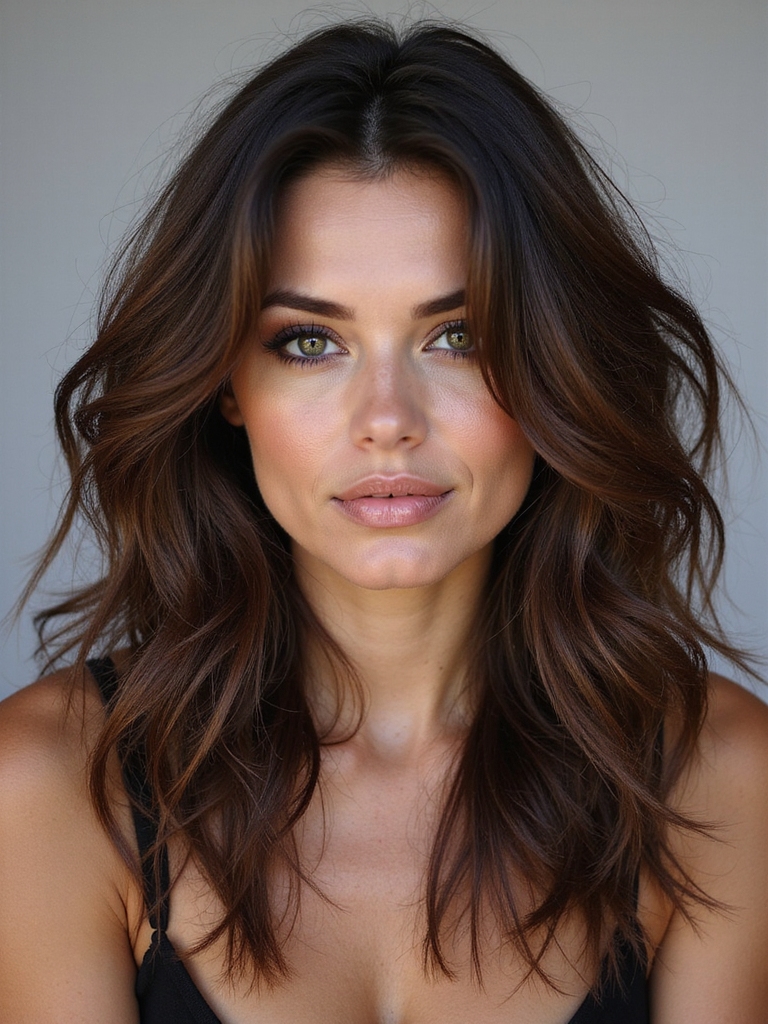
I’ve noticed that the shaggy layer cut‘s evolved in some seriously cool ways, and I’m excited to share what’s taking over right now.
You’ll find that modern variations—like the textured modern shag with its undone vibe, blunt layers that create real movement, and feathered ends for that soft, touchable style—are what clients are requesting most.
Each of these trending takes on the classic shag gives you options to personalize your cut based on your hair type and the aesthetic you’re after.
Modern Shag With Texture
The modern shag’s really taken off, and it’s all about welcoming texture rather than fighting it. I’ve found this approach gives you incredible movement and dimension.
- Welcome your natural wave or add texture with a texturizing spray
- Ask your stylist for choppy layers that create instant volume
- Style with your fingers for that effortless, lived-in vibe
Blunt Layers and Movement
Blunt layers bring a bold contrast that transforms the shag from soft and feathery into something with real edge and structure.
I’ll tell you, this approach gives you movement that actually bounces. You’re getting texture without sacrificing definition.
The blunt ends catch light differently, creating dimension that makes your hair look thicker and more intentional.
It’s the perfect balance between edgy and effortless.
Feathered Ends Soft Style
While blunt layers deliver that sharp, structured vibe, feathered ends take you in a completely different direction—one that’s softer, more romantic, and honestly, easier to style on your own.
Wispy, textured tips frame your face beautifully
- Requires less frequent trims than blunt styles
- Works with your hair’s natural texture, not against it
You’ll love how effortlessly this cut falls into place.
You’ve got everything you need to rock a shaggy layered look that’s uniquely yours. If you’re heading to a stylist or experimenting at home, remember that soft texture isn’t just about the cut—it’s about how you care for your hair daily.
Adopt your natural waves, invest in lightweight products, and don’t be afraid to ask your stylist for customized layers that work with your face shape. Your effortlessly chic hair is totally achievable.