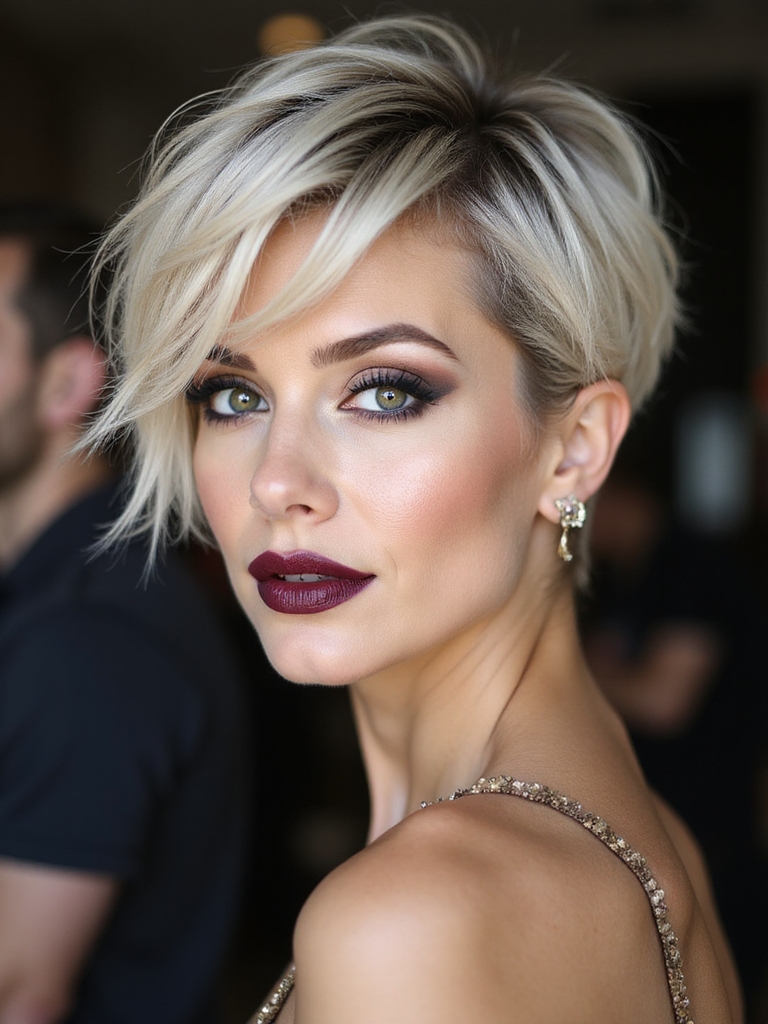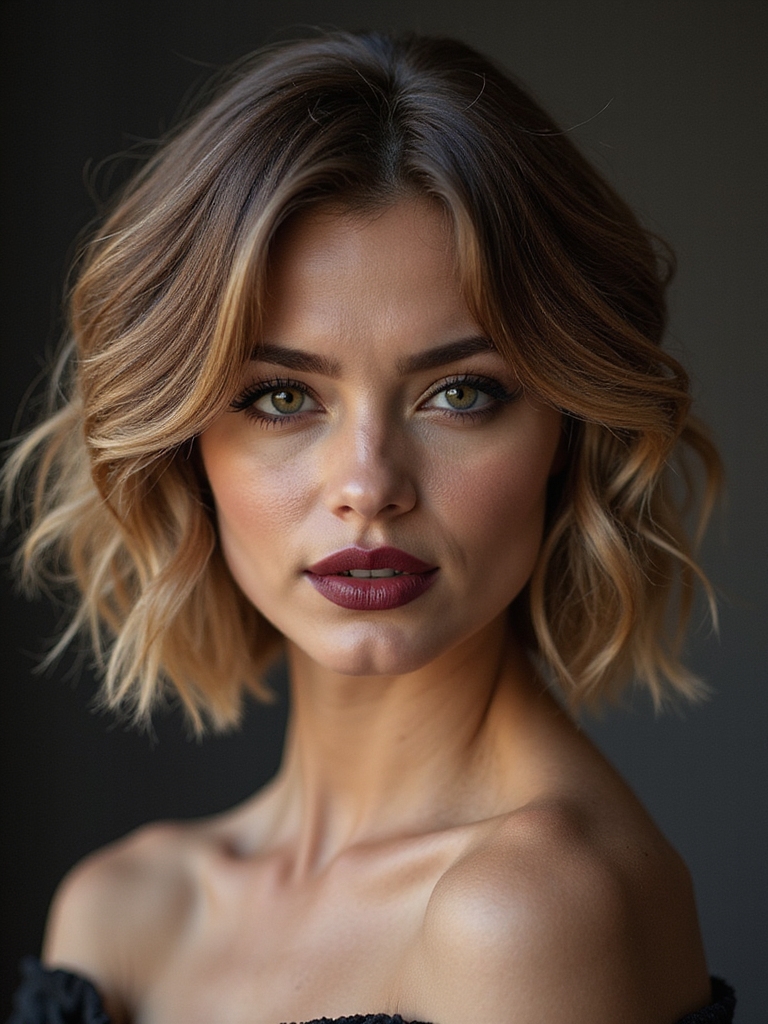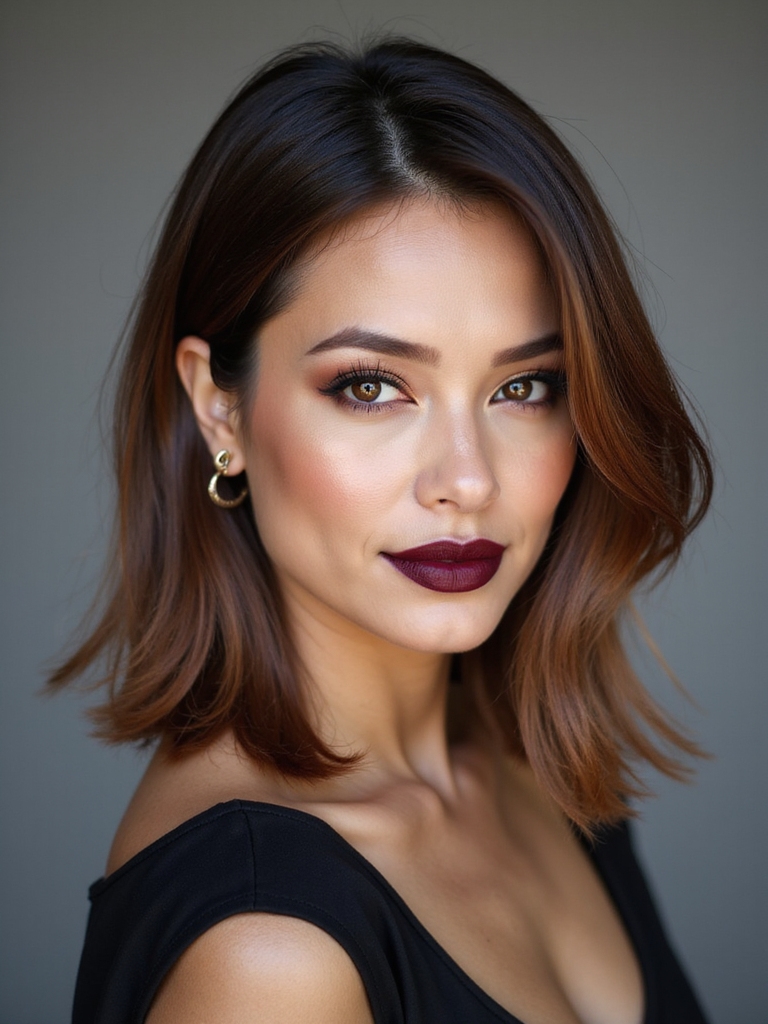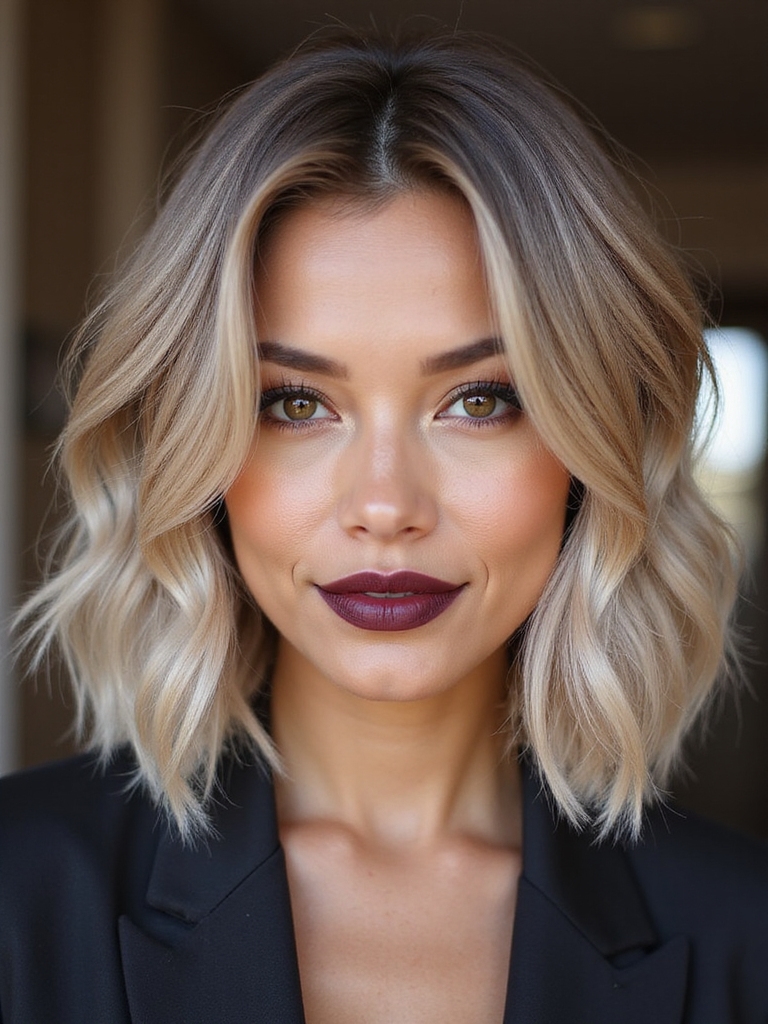
I love angled bobs for fine hair because the weight-forward shape and subtle internal layers lift the crown and make strands read fuller without heavy bulk. A gentle slope, soft graduation at the nape, and light texturing keep movement and avoid wispy ends.
Pair with curtain bangs or darker roots for depth, and use lightweight mousse plus a round-brush blowout to set it. Keep trims regular — stick around and I’ll show you length, layering, and styling options.
Why an Angled Bob Works for Fine Hair

I’ve seen how an angled bob can instantly boost the look of fine hair — it adds lift at the crown and creates the illusion of thicker, fuller strands by stacking weight toward the front.
I love how the clean lines frame the face, add movement, and simplify styling. With subtle layering and precise cutting, an angled bob feels modern, intentional, and effortlessly chic.
Layering in a bob can add texture and body that enhances volume and movement.
Choosing the Right Angle for Your Hair Texture

When I choose an angled bob for fine hair, I think about whether a steep, dramatic slope or a softer, more subtle angle will flatter your movement and face shape.
I also consider strand thickness—thinner hairs often suit gentler angles to avoid hollowing, while slightly thicker fine strands can carry a sharper cut.
Let’s look at how each option affects volume and texture so you can pick the angle that truly lifts your hair.
Choppy layered bobs add movement by creating varied lengths that enhance texture and visual fullness.
Steep Vs Soft Angles
Although a dramatic, steep angle can look stunning, I usually recommend matching the angle to your hair’s natural density and movement—fine hair often benefits from softer angles that preserve weight and avoid excessive wispy ends.
I favor subtle graduation to create shape and lift without sacrificing fullness. A gentle slope frames the face, feels versatile, and grows out gracefully, keeping styling simple and chic.
Layered bobs also add texture and movement by introducing graduated lengths that enhance natural movement and body.
Angle by Strand Thickness
Soft graduation works well for fine hair, but strand thickness changes how an angle reads on the head.
I assess your strands—ultra-fine benefits from softer, shallower angles to avoid limpness, while thicker fine hair can handle sharper, more dramatic angles that create weight and movement.
I tailor the cut so texture and angle collaborate, giving you a polished, airy bob that actually holds shape.
Additionally, I often recommend inverted bob techniques to boost natural volume while maintaining the angled silhouette.
Best Angled Bob Lengths for Fine Hair

I usually recommend choosing an angled bob length by balancing your face shape, styling routine, and how much volume you want at the crown; I’ll walk you through the sweet spots so you can pick a cut that flatters fine hair without overworking it.
Collarbone grazing for soft movement, chin-length for framing, and slightly longer in front to elongate the face — all keep weight manageable and polish subtle.
Layering and Texturing Techniques to Add Volume

I love using feathered ends to lift fine hair at the crown and keep an angled bob from looking flat.
I’ll often pair that with delicate razor texturing to remove weight without creating frizz.
Together they give soft movement and effortless volume that still reads polished.
Choppy bobs can also be cut to enhance natural lift and create the appearance of fuller shape with choppy bob techniques.
Feathered Ends for Lift
Working with feathered ends lets me create the appearance of lift without adding bulk, so your angled bob keeps a light, airy silhouette that frames the face.
I sculpt subtle, tapered edges that move, catch light, and soften lines.
Try these simple approaches:
- Shorter face-framing feathers
- Gentle graduation at the nape
- Soft point cutting
- Layered perimeter
- Strategic lift at roots
Fresh Bob Cut With Stylish Bangs can complement these techniques and enhance the overall shape.
Delicate Razor Texturing
Tapping into delicate razor texturing, I use precise, light strokes to thin and separate strands so your angled bob reads fuller without ever feeling heavy.
I sculpt soft internal layers that boost movement and let air flow, creating natural volume at the crown and along the perimeter.
The result is a chic, touchable finish that keeps fine hair lively and effortless.
This approach echoes principles from the Effortless Layered Bob, emphasizing soft layering to enhance shape without weight.
Face Shapes and Angled Bob Variations

Because everyone’s face is shaped a little differently, I like to match the angled bob to your natural angles so it highlights your best features—whether that means softening a strong jaw or adding length to a round face.
- Oval: balanced, try subtle angle
- Round: longer front pieces
- Square: softened layers
- Heart: chin-grazing length
- Long: extra volume at sides
Bang Styles to Complement an Angled Bob

How do bangs change the whole vibe of an angled bob? I love recommending curtain bangs for softness and face-framing, blunt fringe for modern edge, or wispy micro-bangs to showcase bone structure.
Pick a length that balances volume and movement; shorter bangs feel bold, longer ones elongate the face. I guide clients toward a cut that complements their jawline and lifestyle.
Styling Tools and Products for Lightweight Hold

I like to finish my angled bob with a lightweight hold spray that keeps shape without that crunchy feel. I’ll often smooth flyaways with a softening styling cream before I pick up my blow dryer or straightener.
When I use heat tools I stick to lower temps and a good thermal protectant so fine hair stays healthy and bouncy.
Lightweight Hold Sprays
When I’m finishing an angled bob, I reach for a lightweight hold spray to keep the shape intact without weighing the hair down or making it crunchy.
I mist subtly, sculpting movement and shine while keeping strands flexible.
- Fine-hair formula
- Flexible hold
- Humidity resistance
- Weightless finish
- Brushable texture
I love how it preserves bounce and polish all day.
Softening Styling Creams
After a light mist of weightless spray, I reach for a softening styling cream to smooth edges and tame flyaways without flattening the cut.
I warm a pea-sized amount, focusing on ends and perimeter to define the angled shape. It adds subtle shine, controls frizz, and keeps movement light—perfect for fine hair that needs polish without weight.
Heat Tools and Temps
Tuning my heat tools to the right temperature makes all the difference for fine hair—too hot and you’ll damage delicate strands, too cool and the shape won’t hold.
I choose low-to-medium settings, protect with a lightweight spray, and work quickly for polished, airy volume.
- Use a heat protectant mist
- Set tools to 250–320°F (low-medium)
- Curl away from face
- One pass only
- Finish with flexible hairspray
Quick Everyday Hairstyles for Angled Bobs

I often reach for my angled bob when I need a quick, polished look that still feels effortless, and I’ll show you a few simple styles that take just minutes.
I twist one side behind my ear for asymmetry, create soft waves with a few finger curls, or tuck ends into a low clip for sleekness. Each option boosts shape without fuss.
How to Blow-Dry an Angled Bob for Lift and Shape

Those quick, polished looks get you out the door fast, but when I want more lift and a cleaner silhouette I reach for my round brush and blow dryer.
I work in sections, lift at the roots, curl ends under, and finish with cool air.
Simple steps keep the angle crisp and airy:
- Prep with lightweight mousse
- Section hair top to bottom
- Brush up at roots
- Roll ends under
- Cool and set with mist
Color Tricks That Boost the Appearance of Thickness

I love using color to fake fullness—darker roots give instant depth at the scalp so your angled bob reads thicker right away.
Adding multi-dimensional highlights breaks up the hairline and creates movement, which tricks the eye into seeing more body.
Let’s look at how to place those darker roots and highlights for the most natural, volumizing effect.
Strategic Darker Roots
When done right, darker roots can make an angled bob read fuller from root to tip, and I’ve found they’re one of the simplest color tricks to fake thicker hair.
I use them to add depth without heavy maintenance.
- Grounding at the scalp
- Soft shadow for density
- Low-commitment touch-up
- Blends with growth
- Complements an angled cut
Multi-Dimensional Highlights
Darker roots set the stage, but multi-dimensional highlights are what really play up movement and body in an angled bob.
I love adding varied tones—subtle balayage, thin face-framing pieces, and a few brighter slices—to create depth and bounce.
These color tricks reflect light differently, making hair read fuller without heavy cuts. It’s a simple, chic way to boost visual thickness.
Maintaining Your Angled Bob Between Cuts

Usually I trim stray ends and refresh the shape every few weeks so my angled bob stays sharp and light instead of falling flat.
I care for texture and volume between salon visits with simple rituals and mindful styling.
- Use a lightweight volumizing spray at the roots
- Dry with a round brush for lift
- Sleep on a silk pillowcase
- Refresh with dry shampoo
- Schedule small trims regularly
Transitioning From Long Hair to an Angled Bob

If you’re ready to trade length for a chic edge, I’ll walk you through how to make the shift to an angled bob without panicking at the scissors.
I suggest gradual trims, discussing angle and length with your stylist, and choosing layers that boost volume.
Bring photos, be open to texture services, and expect a brief styling learning curve — the result feels fresh and manageable.
Celebrity Inspiration and Real-Life Examples

Now that you’ve thought through length, angle, and layering, let me show you how celebrities make angled bobs work on fine hair so you can picture the look on yourself.
I love pointing out real examples—subtle texture, polished parting, soft face-framing pieces.
Try these inspirations:
- Sleek angled bob with a deep side part
- Tousled, choppy ends for movement
- Soft waves for volume
- Blunt, slightly staggered front
- Wispy, layered fringe
Common Mistakes to Avoid With Fine Hair Bobs

Because fine hair shows every cut and product choice, I want to point out the mistakes that undo an angled bob faster than anything else.
Don’t over-thin layers, skip heavy products, or ignore regular trims. Avoid endless brushing that frizzes and using one flat style.
I’ll remind you to add lightweight volume, protect from heat, and embrace texture for shape that lasts.
When to See a Stylist for Adjustments

When your angled bob starts losing its crisp line or the layers no longer sit the way they used to, come see me for small, targeted adjustments rather than waiting for a full reshape.
I’ll tweak the length, balance weight, and freshen texture so your fine hair stays lively and easy.
- Trim split ends
- Reweight heavy sections
- Refresh face-framing
- Adjust length subtly
- Retexturize gently
I hope this guide helped you see how an angled bob can totally transform fine hair, giving shape, movement and a flattering frame. Pick an angle and length that suit your texture and face, add subtle layering for lift, and don’t be afraid to ask your stylist for tiny tweaks — they work wonders.
Try it confidently; you might fall head-over-heels for the cut overnight — and you’ll love how effortless it feels.