I’ve always found that the French layered haircut hits that sweet spot between “I woke up like this” and actually put-together. It’s the kind of cut that works if you’re heading to brunch or running errands, and honestly, that’s what made me curious about what really makes these layers tick.
Let me show you exactly how to nail this look for your hair type.
What Defines a French Layered Haircut
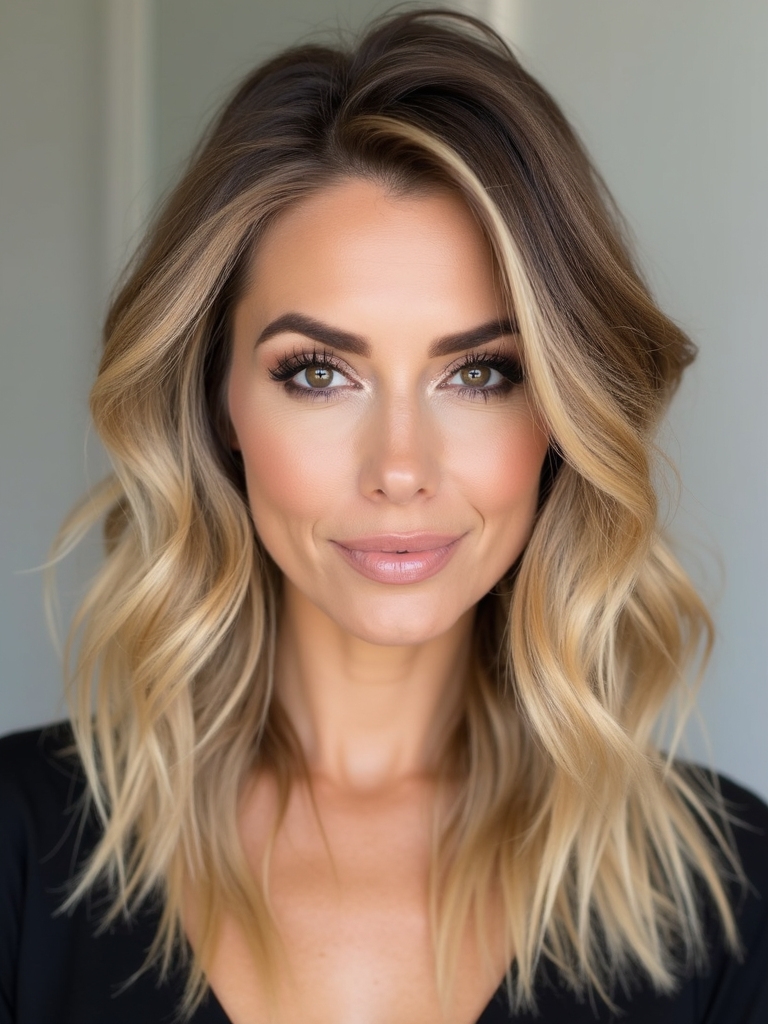
Effortless elegance—that’s what you’re looking at with a French layered haircut. I’m talking about strategic layers that create movement and texture without requiring constant styling.
It’s choppy yet refined, giving you that “I woke up like this” vibe while actually flattering most face shapes. The magic? Layers work together, creating dimension that makes your hair look fuller and way more interesting than a blunt cut ever could.
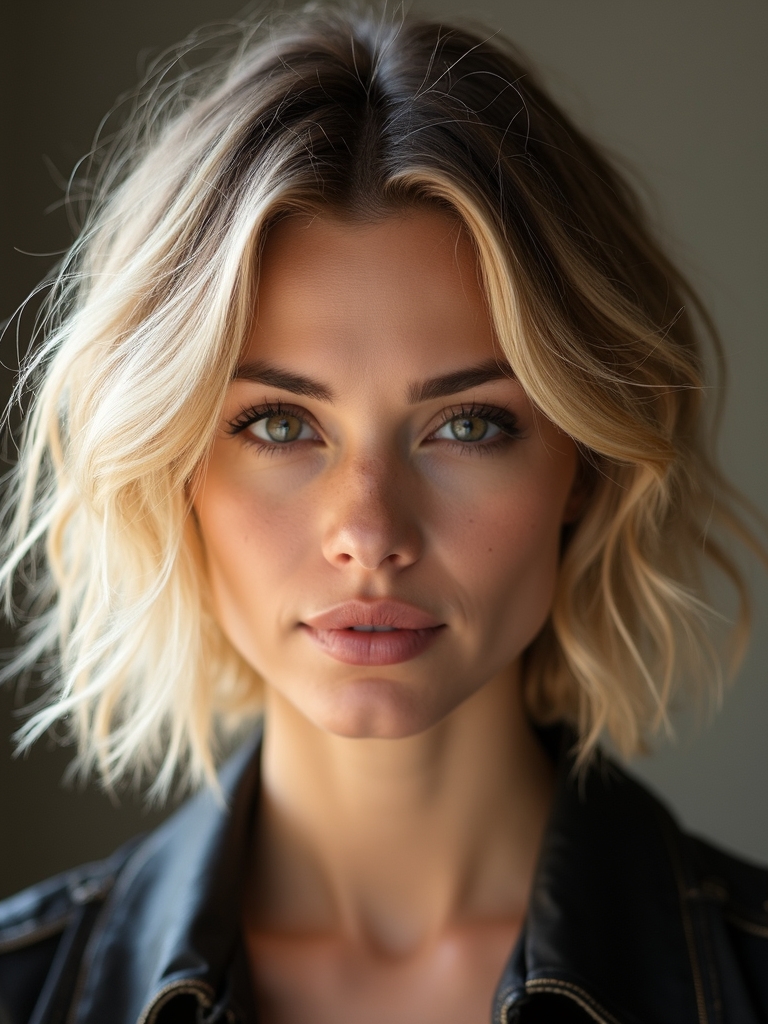
A timeless choice for many is the Layered Bob With Bangs, which adds softness and framing to the face.
The History of French Hair Styling

While we often think of French style as timeless, the layered haircut we recognize today didn’t emerge until the 1970s. I find it fascinating how Parisian stylists revolutionized hair by adopting texture and movement.
They rejected rigid perfection, favoring instead that effortlessly undone look we’re still chasing. That’s when French hair truly became iconic—when breaking the rules became the ultimate rule.
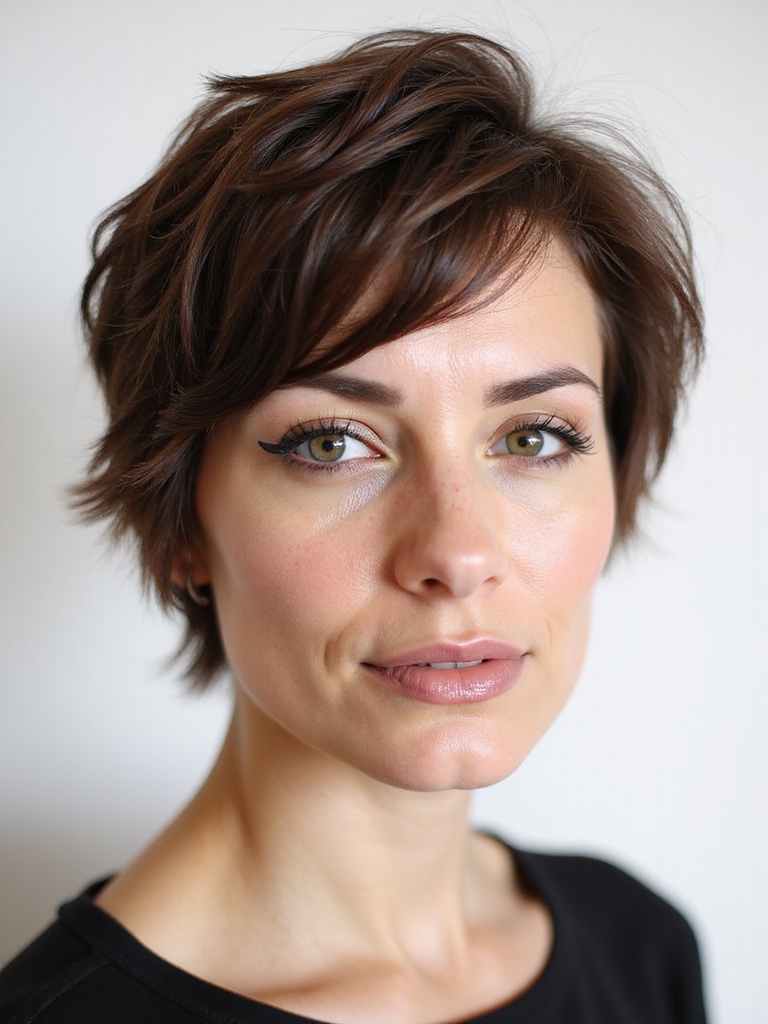
A key example of this shift was the rise of the French bob as a model for shorter, textured styles that emphasized movement and shape.
How French Layers Create Movement and Dimension

The magic of those rule-breaking French layers isn’t just about attitude—it’s about the actual mechanics of how they’re cut.
When your stylist strategically removes length at different angles, you’re creating texture that moves with your hair’s natural flow.
This isn’t stiff or structured—it’s lived-in dimension that catches light beautifully and gives you that effortless, just-rolled-out-of-bed sophistication that defines French style.
Layered haircuts add versatility and make it easier to shape a fresh silhouette with movement Effortless Layered Haircut.
French Layers for Fine and Thin Hair

If you’ve got fine or thin hair, you might’ve written off layered cuts as something that’d just make your strands look sparse and wispy.
But here’s the truth: French layers actually work beautifully for delicate hair. Consider these:
- Shorter, subtle layers add texture without bulk
- Longer layers maintain density at the ends
- Strategic placement near the face creates flattering volume
You’ll love the effortless result. French layered cuts are inspired by classic Layered Short Hair techniques that emphasize movement and shape.
French Layers for Thick and Curly Hair

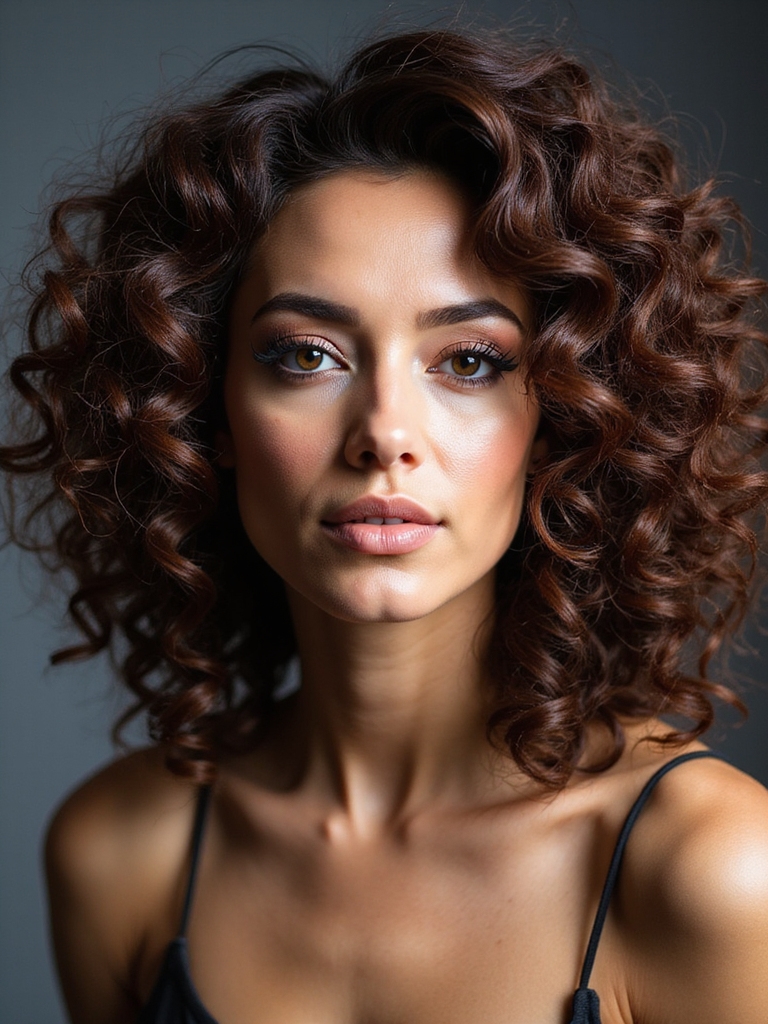
Since you’ve got thick or curly hair, French layers are your secret weapon for taming volume while enhancing your natural texture.
I’ve found they work beautifully by removing bulk strategically throughout, creating movement without sacrificing length. Ask your stylist for longer layers that frame your face—they’ll bounce naturally and give you that effortless, chic look you’re after.
Many stylists recommend an effortless shag cut as a complementary option for curly hair that blends layers with movement.
The Classic Choppy French Bob With Layers
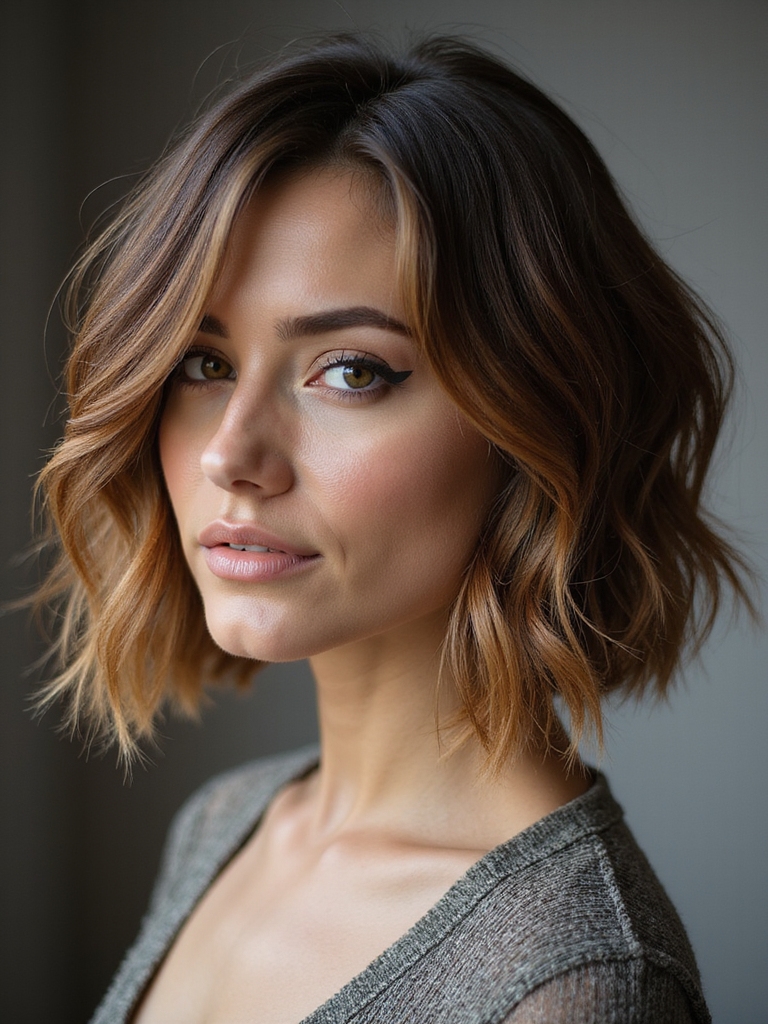
I’ll show you how to master the choppy French bob, which relies on specific cutting techniques to create that signature textured movement you’re after.
We’ll explore how to adapt this style to your face shape and which styling methods bring out the best in your hair.
You’ll also learn the maintenance routine that keeps those choppy layers looking fresh between salon visits.
The timeless appeal of the Chic French Bob is achieved through precise layering and texturizing techniques that create effortless movement and shape, embodying that Parisian aesthetic.
Defining Choppy Texture Techniques
Master the choppy French bob by understanding how strategic layering creates movement and dimension throughout your hair.
- Use point-cutting techniques to create texture and break up blunt edges
- Work shorter layers near your face for flattering, face-framing movement
- Accept your natural texture—choppy styles actually work better with waves or curls
For added versatility, consider incorporating flattering bob ideas with bangs to change the face shape and overall silhouette.
Face Shape Styling Guide
Beyond the cutting technique itself, here’s what’ll transform your choppy French bob from good to absolutely perfect for *your* face: customizing the layers to complement your unique features.
I’ll match shorter layers around your face if you’ve got a rounder shape, elongating it visually. For angular faces, I soften edges with longer, piece-y layers. That’s the real magic—tailoring those choppy pieces specifically to you. The right layered bob can add movement and dimension while staying modern and low-maintenance.
Maintenance and Styling Tips
Since you’ve invested in that perfectly tailored choppy French bob with layers, keeping it looking fresh requires a little strategic upkeep.
I’ve found these essentials work wonders:
- Get trims every 4-6 weeks to maintain those sharp layers
- Use a texturizing spray for that effortless, undone vibe
- Apply lightweight serum to enhance movement without weighing down your layers
Also, consider how a Short Layered Bob can influence styling choices and upkeep routines.
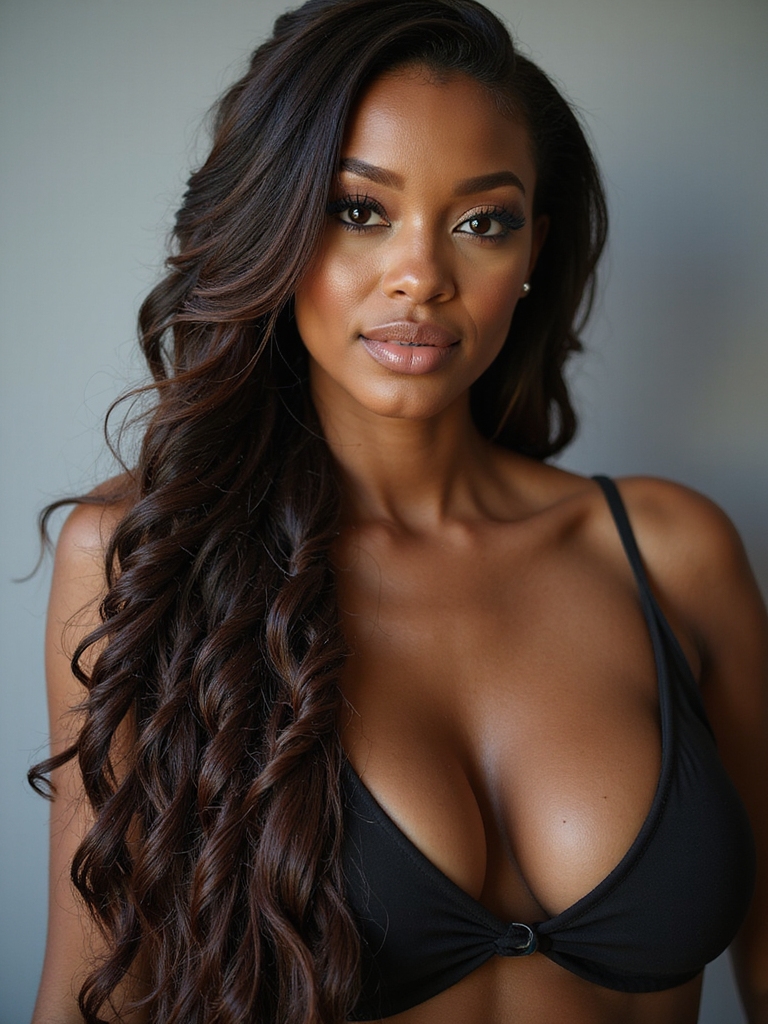
Long Layered French Cuts for Maximum Flow

I’ve discovered that when you’re ready to grow out your layers, the magic happens at your ends—that’s where I’ll show you how textured, choppy layers create movement that actually works *with* your hair instead of against it.
Face-framing length is what’ll transform a basic long cut into something that catches light and flatters your features, and I’ll walk you through exactly where those strategic pieces should land.
The best part? You don’t need a ton of layers to get that effortless French flow; it’s all about placement and precision.
When maintaining this look, regular trims and proper care help preserve the layered long hair shape and movement while keeping ends healthy.
Textured Ends and Movement
Long layered French cuts really shine when you’ve got textured ends that catch the light and move naturally with every turn of your head. I’m talking about creating dimension that’s genuinely effortless.
- Point-cut your layers for organic, piecey texture
- Use texturizing shears to remove bulk strategically
- Ask your stylist for choppy, disconnected ends
This approach gives you movement without looking overdone.
Face-Framing Length Techniques
With the right face-framing lengths, you’re fundamentally sculpting a flattering frame that draws attention exactly where you want it.
I’ll show you how shorter layers around your face create definition while longer pieces blend seamlessly into the cut. This technique enhances your cheekbones and softens angular features beautifully. It’s all about strategic placement that complements your unique face shape.
Subtle Layers: The Understated Approach

If you’re drawn to elegance over drama, subtle layers might be your perfect match. I’ve found they work beautifully when you want refinement without commitment.
- Minimal length variation creates understated movement
- Blended edges maintain your hair’s natural flow
- Maintenance stays simple with strategic placement
You’ll love how they enhance texture while keeping that effortlessly chic French aesthetic alive.
Face-Framing Layers and How They Flatter Features

I’ve found that face-framing layers work absolute magic when you’re trying to enhance your best features, and I’m excited to show you exactly how.
We’ll explore three key ways these strategic cuts soften harsh angles, bring out your cheekbones, and create the perfect proportions for your unique face shape.
If you’ve got a rounder face or sharper jawline, there’s a layering technique that’ll make you feel like you’re glowing.
Softening Facial Angles
One of the most transformative aspects of a French layered haircut is how strategically placed face-framing layers can soften your natural angles and draw attention to your best features.
I’ve found that subtle layers work beautifully by:
- Creating movement that breaks up sharp jawlines
- Directing focus toward your eyes and cheekbones
- Adding softness around angular features without compromising length
You’ll notice an immediate difference in how balanced your face appears.
Enhancing Cheekbone Definition
When you’re ready to amplify your cheekbones, face-framing layers become your secret weapon.
I’ve found that shorter, lighter layers around your face create natural shadows and highlights that sculpt your features beautifully. They draw attention upward and inward, making your cheekbones pop without any makeup tricks. It’s honestly the easiest way to enhance your bone structure instantly.
Balancing Proportions Strategically
Because face shape varies so much from person to person, strategic layering is really about working with your natural proportions rather than against them.
I’ve found that tailoring layers makes all the difference:
- Shorter layers near your face create width for narrower faces
- Longer pieces around cheekbones enhance definition beautifully
- Graduated lengths add movement while maintaining balance
Achieving the Effortless “Bedhead” Effect

While layered haircuts naturally lend themselves to texture, nailing that coveted “I-just-rolled-out-of-bed-looking-this-good” vibe takes a bit of intentional styling.
I’d recommend using a texturizing spray or light mousse on damp hair, then scrunching sections upward. Blow-dry with your fingers for movement, not perfection. You’re aiming for that tousled, undone look—think French girl, not messy. A few loose waves? Perfect.
Daily Styling Techniques for French Layers

Once you’ve mastered that effortless bedhead aesthetic, you’ll want to develop a sustainable daily routine that keeps your French layers looking fresh without requiring a full styling session every morning.
I’ve found these techniques work best:
- Quick texturizing spray on damp roots
- Finger-combing through layers for movement
- Light blow-dry focusing on volume at the crown
You’ll love how manageable this becomes!
Products That Enhance Your Layered Look

The right products can transform your French layers from good to absolutely stunning, and I’ve tested plenty to know what actually delivers results.
I’m obsessed with lightweight texturizing sprays—they’re game-changers for definition. A good sea salt spray adds grit and movement, while smoothing serums tame flyaways without weighing things down. Dry shampoo between washes? Essential for volume and grip.
Maintaining Your French Layers Between Appointments

I’ll help you keep your French layers looking fresh between salon visits by focusing on the daily styling techniques that’ll make the biggest difference, the right products that work with your cut rather than against it, and how often you should schedule trims to maintain that effortless texture.
You’d be surprised how much your styling routine impacts how long your layers stay defined and voluminous—we’re talking the difference between looking polished and looking like you need a refresh.
Let me walk you through the practical habits and tools that’ll extend your cut’s lifespan and keep you feeling confident on those days when you can’t get to your stylist.
Daily Styling Techniques Matter
You’ll want to master a few key styling tricks to keep your French layers looking fresh and intentional between salon visits.
I’ve found these techniques genuinely work:
- Blow-dry with a round brush to enhance movement
- Use a texturizing spray for definition and grip
- Curl sections with a curling iron for softness
These methods maintain that effortless, polished look you’re after.
Product Selection For Layers
Once you’ve nailed your styling techniques, finding the right products becomes the difference between hair that falls flat and layers that actually work for you.
I’d recommend a lightweight texturizing spray for grip, a smoothing serum to combat frizz, and a volumizing mousse for movement.
Skip heavy creams—they’ll weigh down those beautiful layers you’re working so hard to maintain.
Trim Schedule Between Visits
While the right products keep your layers looking polished day-to-day, they can’t do all the heavy lifting on their own—regular trims are what actually keep your French layers from turning into a scraggly mess.
I recommend:
- Schedule trims every 6-8 weeks
- Book appointments before noticeable breakage appears
- Communicate with your stylist about maintaining length while revitalizing layers
This keeps your cut sharp and effortless-looking.
Customizing French Layers for Your Hair Texture

The beauty of French layers lies in their adaptability—what works gorgeously on someone with straight hair might need tweaking for your curls or waves.
I’d recommend asking your stylist to adjust layer depth and angle based on your texture. Curly hair benefits from longer layers; fine hair needs shorter, closer ones. Your stylist can customize the cut to enhance your natural texture beautifully.
When to Visit Your Stylist for Touch-Ups

After you’ve found the perfect customization for your texture, maintaining that fresh, polished look requires knowing when to book your next appointment. I’d recommend scheduling touch-ups every 6-8 weeks.
Here’s what matters:
- When your layers lose definition and blend together
- If you notice split ends creeping up your strands
- When your roots need blending with colored ends
French layers aren’t just a haircut—they’re your ticket to looking polished without the fuss. If you’ve got fine strands or thick curls, you can rock this effortless vibe with the right maintenance routine and products.
Believe me, once you’ve experienced that breezy, movement-filled confidence, you’ll wonder why you didn’t make the switch sooner. Your best hair’s waiting.