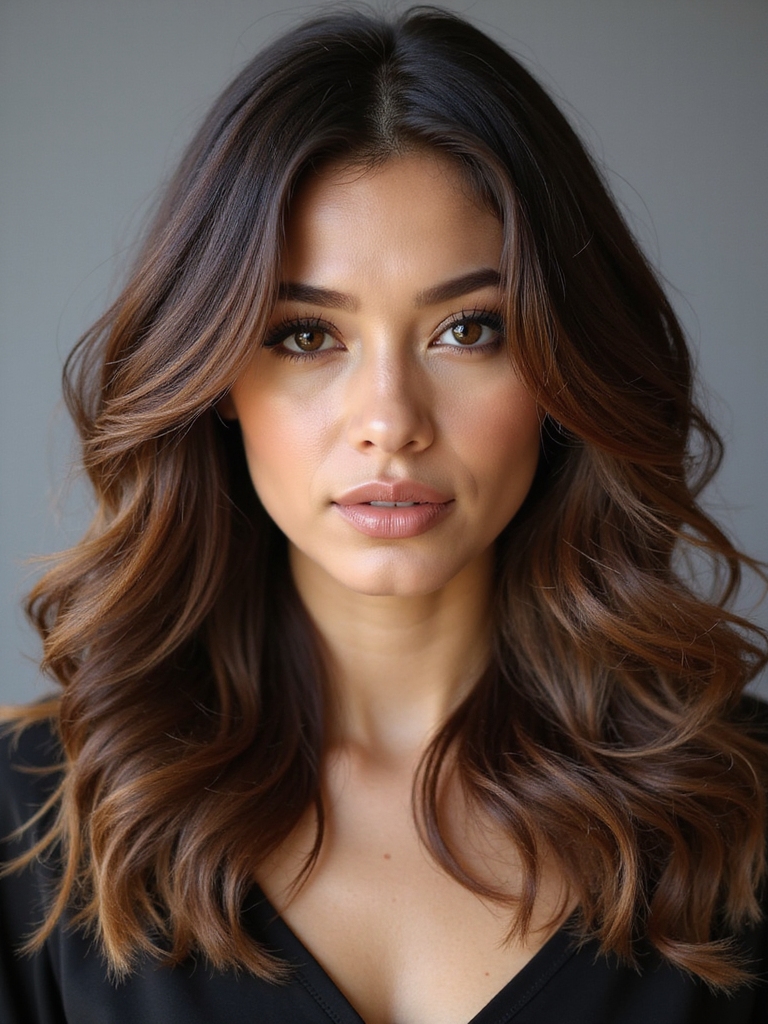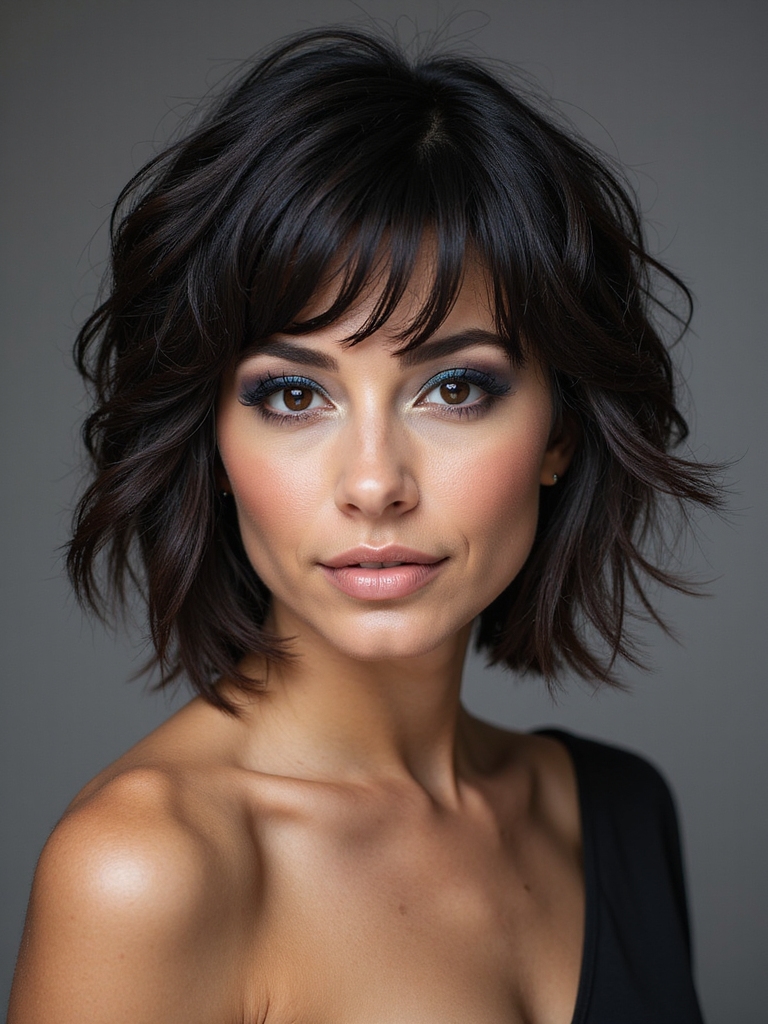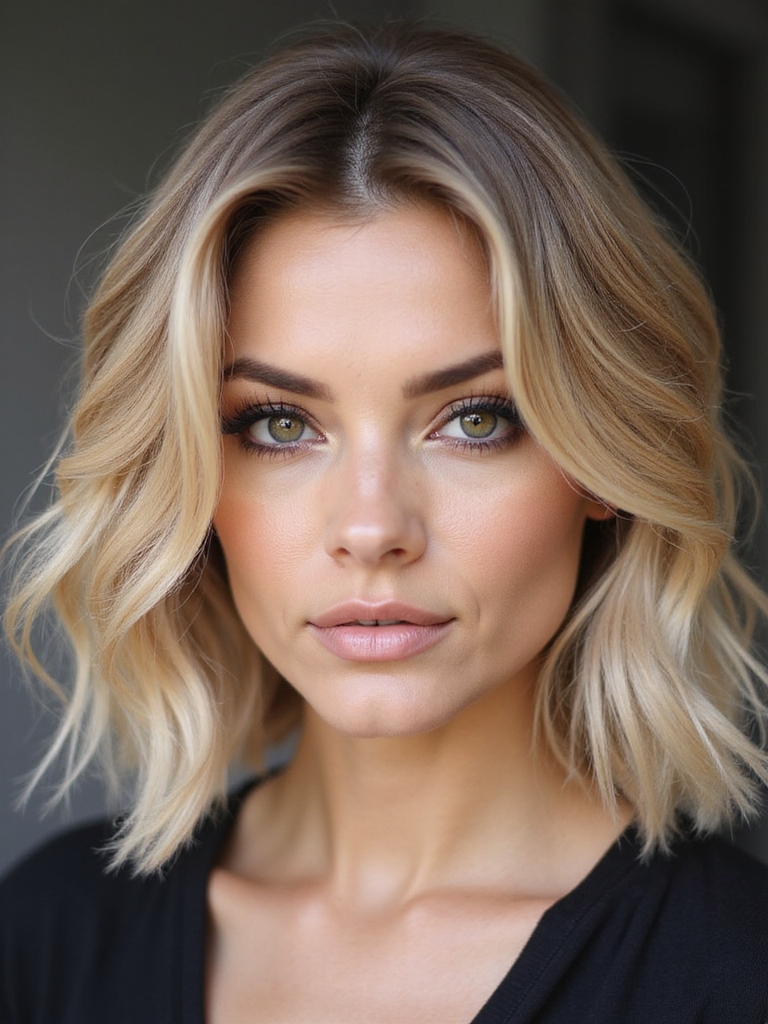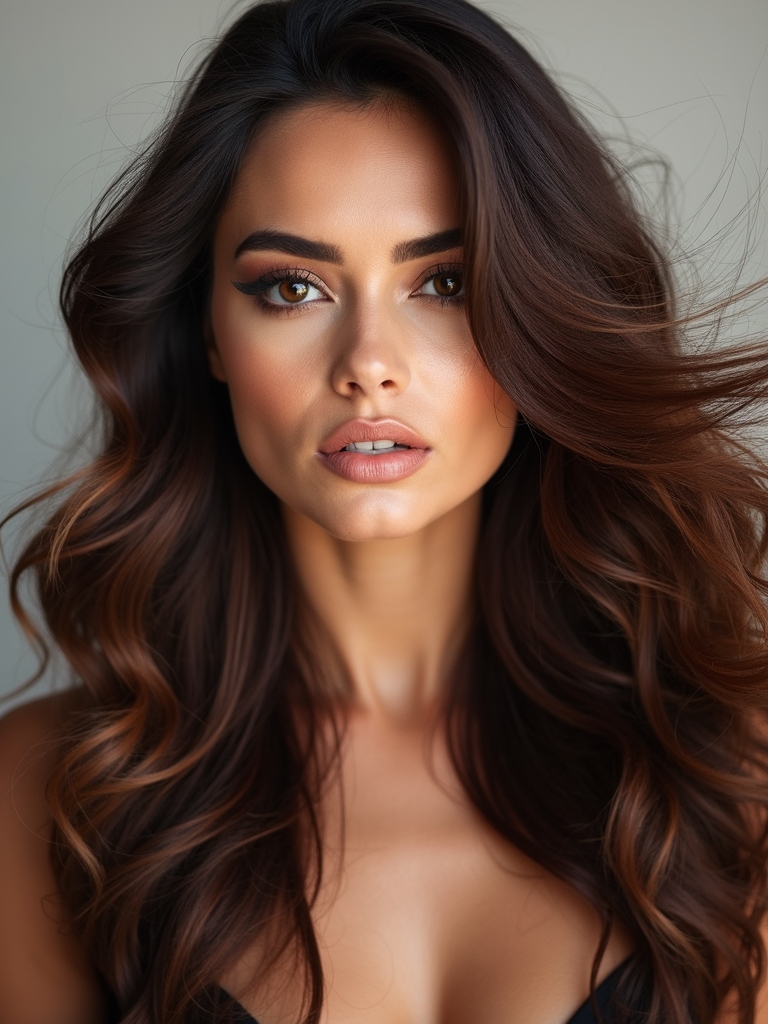
I’ve always wondered why some long haircuts feel heavy while others seem to float effortlessly. It turns out that layers aren’t just about choppy texture—they’re a strategic technique that can completely transform how your hair moves and feels.
Regardless of you’re working with fine, thick, or wavy hair, the right layering approach makes all the difference. Let me show you exactly how to get that airy dimension you’re after.
Understanding the Benefits of Layered Haircuts
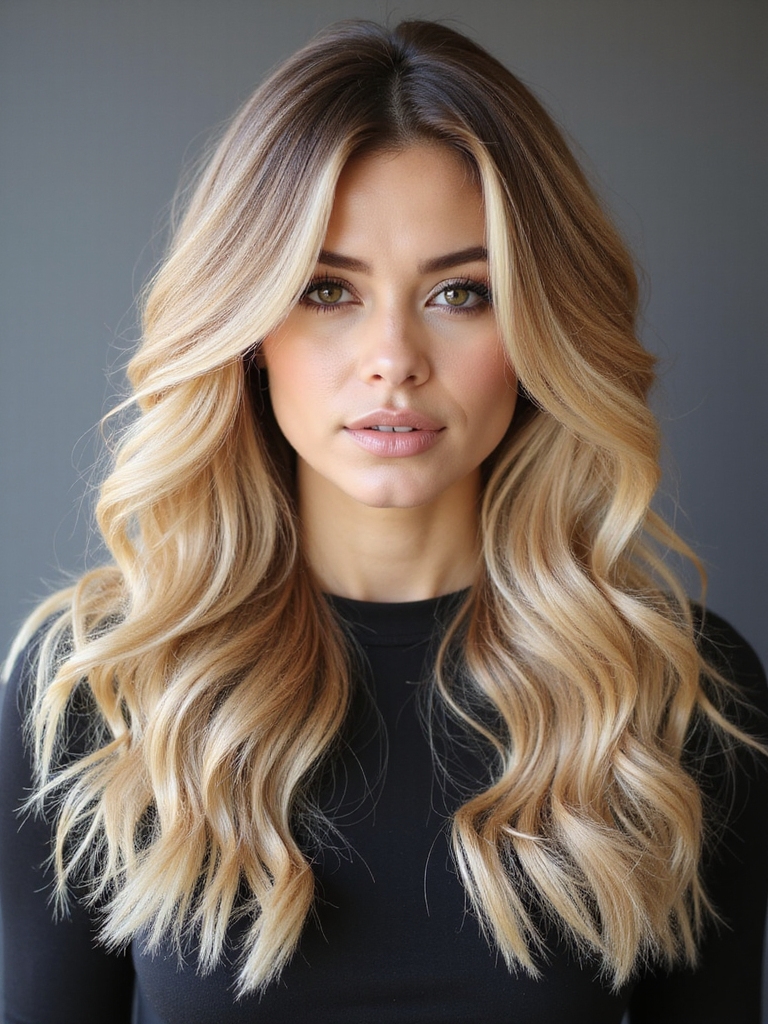
When you’re dealing with long hair, layers can totally transform what you’ve got going on. They’ll give you movement and texture that makes styling easier. Plus, you’ll get that coveted airy dimension without sacrificing length.
Layers also reduce bulk, prevent that heavy feeling, and let your natural waves shine through beautifully. Effortless long layered haircuts create natural movement that enhances texture and flow.
How Layers Add Volume to Fine Hair
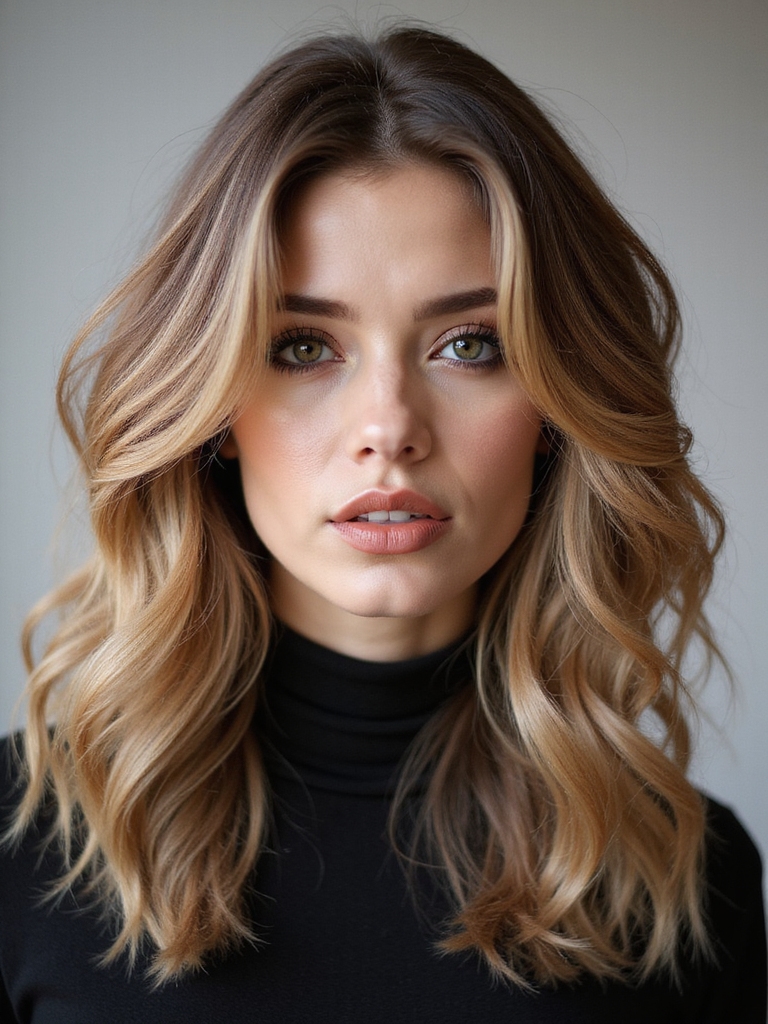
If you’ve got fine hair, you already know the struggle—it can look limp and flat no matter what you do. Layers are your secret weapon. They remove weight, create separation, and give your strands breathing room.
Each layer catches light differently, making your hair appear fuller and bouncier. You’ll finally get that voluminous, dimensional look you’ve been craving. Adding layered haircuts can create effortless layered looks for straight hair by enhancing movement and shape.
Managing Thick Hair With Strategic Layering
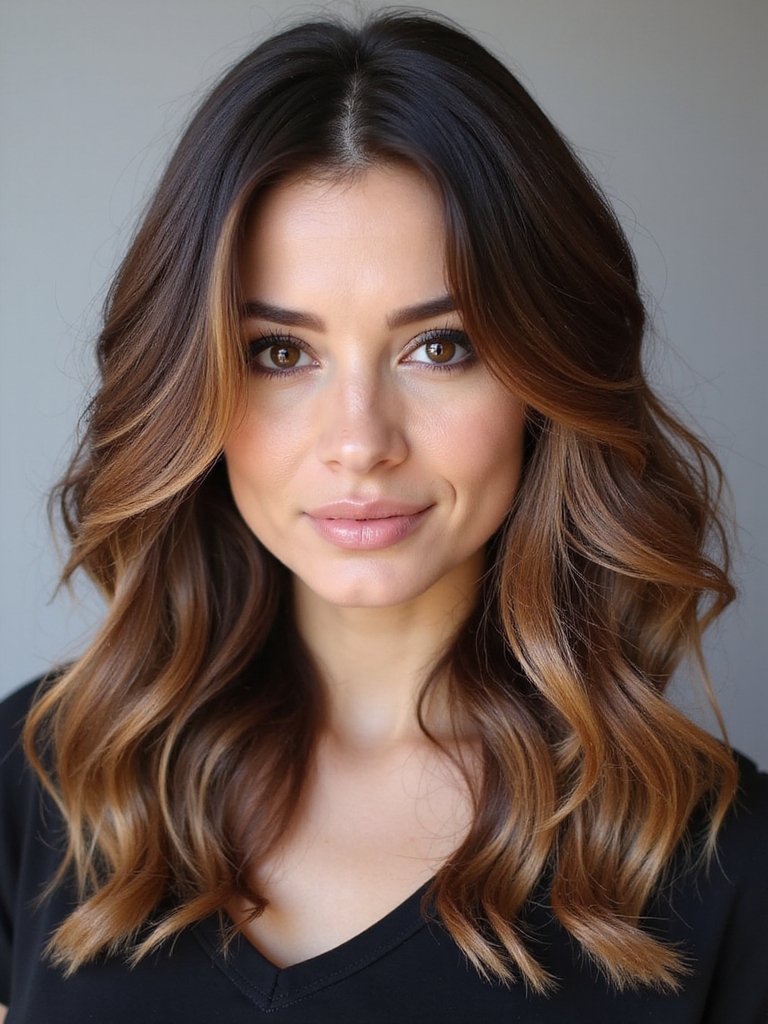
If you’ve got thick hair, I’ve found that strategic layering is your best friend—it’ll help you reduce bulk without sacrificing length.
I’m going to show you how point cutting techniques create movement and prevent that heavy, blunt look that can weigh your hair down.
You’ll discover how balancing texture throughout your layers gives you that effortless flow while maintaining the density that makes thick hair so enviable.
Many stylists recommend voluminous layered cuts to add airy dimension while preserving fullness.
Reducing Bulk Through Layering
One of the best ways you can transform thick hair is by breaking it up with strategic layers. I’ve found that removing weight through carefully placed cuts makes your hair feel lighter and more manageable.
You’ll notice improved movement and less frizz. The key’s targeting problem areas where density bunches up, creating a more balanced, flattering look that actually moves with you. Layers also create airy dimension by adding movement and reducing bulk.
Strategic Point Cutting Techniques
Point cutting’s my go-to technique when I’m working with thick hair that needs serious texture and movement.
I strategically cut into the hair at angles rather than straight across, which creates:
- Sharper definition between layers
- Enhanced movement and flow
- Reduced weight without sacrificing length
- Natural-looking texture throughout
- Improved styling versatility
This method transforms dense hair into beautifully textured, manageable locks. I often incorporate face-framing cuts to flatter the features and enhance the layered effect.
Texture and Movement Balance
While point cutting gives us that gorgeous texture, the real magic happens when we balance it with intentional movement—and that’s where the art truly comes in.
I’ve found that strategic layering through thick hair creates breathability without sacrificing density. You’ll want to angle cuts to encourage natural fall patterns, removing weight precisely where your hair fights you most.
This approach pairs beautifully with Effortless Long Layers and Chic Bangs, which prioritize long layered hair to maintain flow and shape.
The Difference Between Subtle and Dramatic Layers
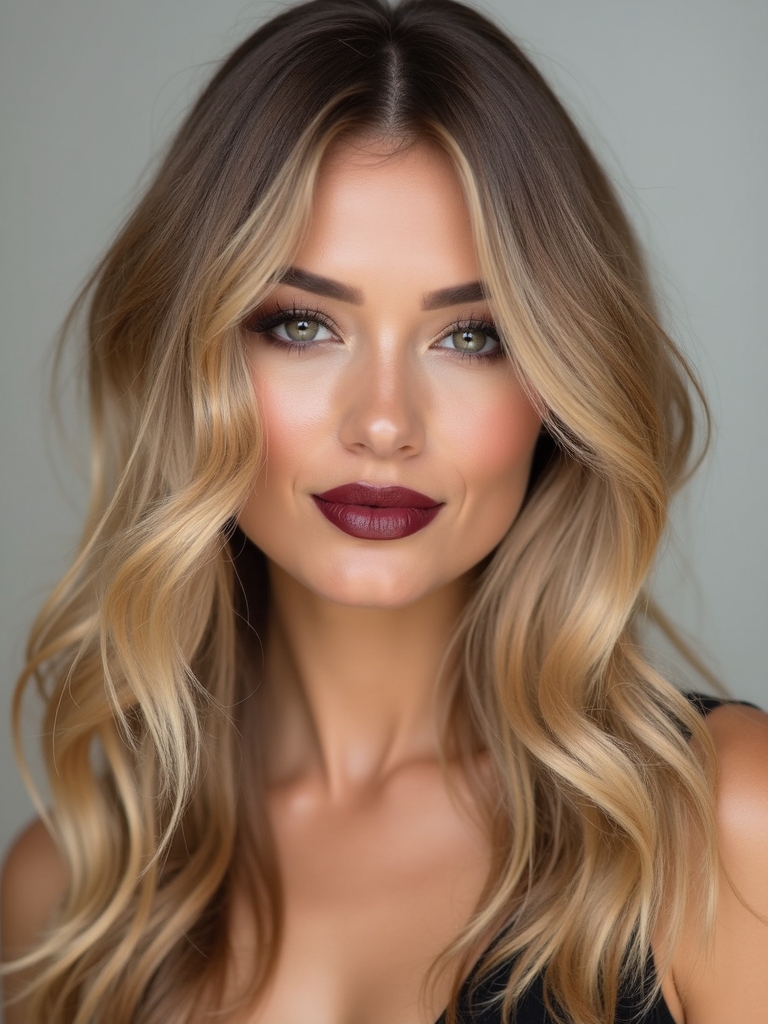
When you’re ready to add movement to your long hair, you’ll want to decide just how much change you’re after.
Subtle layers:
- Minimal length variation
- Blends seamlessly throughout
- Perfect for fine hair
- Maintains overall length
Dramatic layers:
- Bold, choppy texture
- Creates instant volume
- Works best on thick hair
- Makes a statement
I’d recommend starting subtle if you’re nervous! Effortless long layers with soft side bangs can frame the face and enhance movement.
Face-Framing Layers for Flattering Results
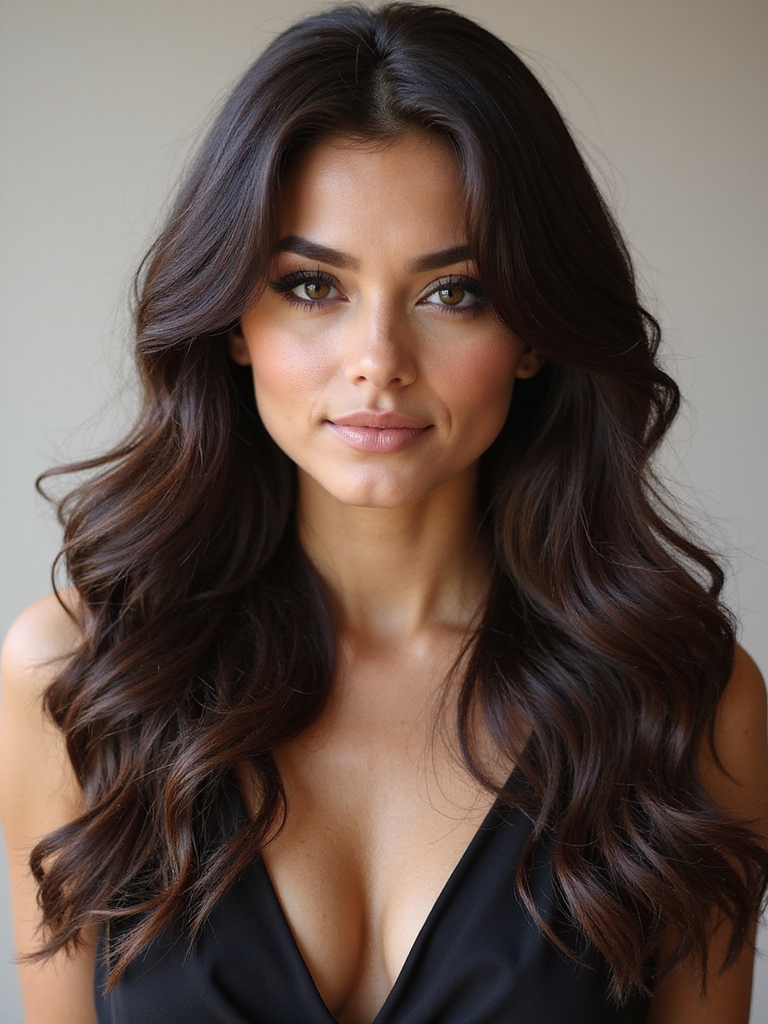
I’ve found that face-framing layers are a game-changer for enhancing your natural features, and I’m excited to show you how strategic placement can soften and flatter your face shape.
We’ll explore how the length and angle of these layers work together to create the perfect frame for you, plus discuss how they give you incredible styling flexibility and movement.
An effortless long shag creates soft, textured layers that enhance movement and volume, making it ideal for adding dimension to long hair with soft shag and modern edge.
Softening Facial Features Strategically
Because face-framing layers work so close to your features, they’ve got serious power to enhance what you’re already working with.
I’m talking about strategic softening that makes all the difference:
- Wispy pieces around cheekbones
- Tapered ends near jawlines
- Angled cuts for angular faces
- Curved layers for round faces
- Longer front sections balancing proportions
You’ll notice how these layers catch light differently, creating dimension that flatters naturally.
Layering also helps create movement and reduces bulk for long hair, making it easier to style and maintain Layered Hair Long.
Length and Angle Considerations
Once you’ve decided on face-framing layers, the real magic happens when you nail the length and angle—because that’s what transforms a decent cut into one that’ll have you feeling genuinely confident.
I’d suggest keeping shorter pieces at your cheekbones, angling them slightly inward. This strategy flatters most face shapes while creating that effortless, dimensional movement you’re after.
Long layers add airy dimension and help create a soft, flowing look that enhances natural movement.
Styling Versatility and Movement
The beauty of face-framing layers is that they’re incredibly forgiving—you can wear them sleek and polished one day, tousled and textured the next, and they’ll look intentional either way.
- Create movement around your cheekbones
- Soften angular facial features
- Add bounce and volume instantly
- Work with straight, wavy, or curly textures
- Require minimal daily styling effort
You’ll love how adaptable they are!
Long Layers vs. Short Layers: Which Works Best
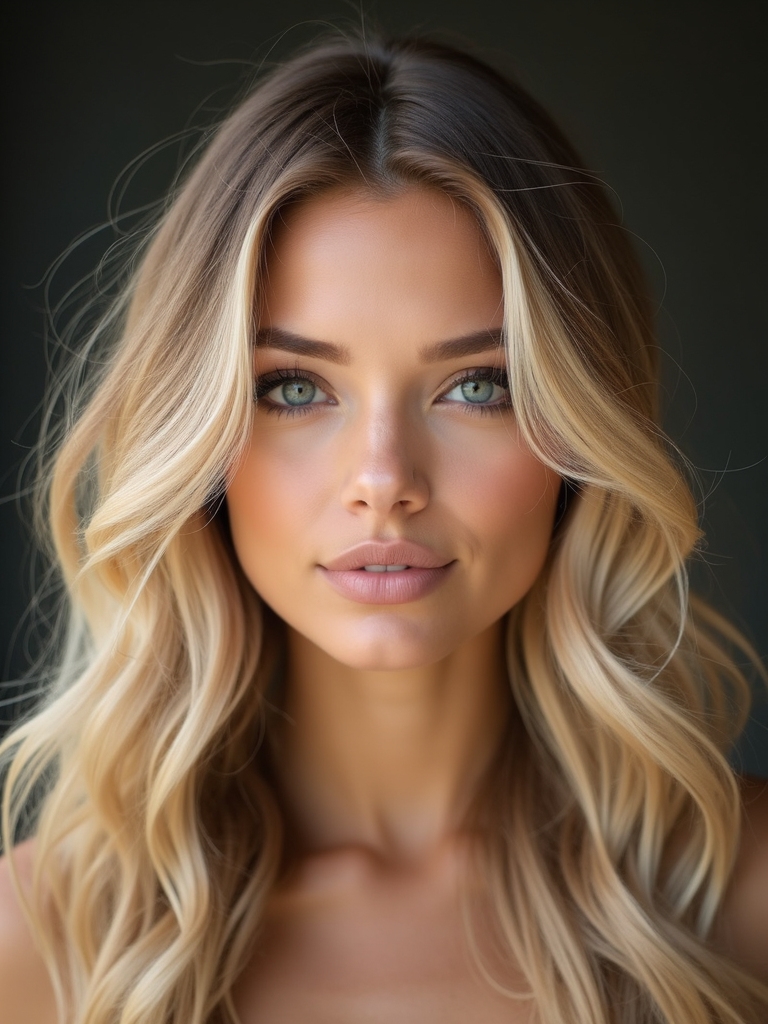
When you’re deciding how to layer your long hair, you’ve got two main directions to go, and I’ll be honest—there’s no one-size-fits-all answer.
Short layers give you movement and texture throughout, while long layers maintain length and create subtle dimension. Your choice depends on your hair type, face shape, and how much styling effort you’re willing to invest.
Enhancing Natural Texture Through Layering
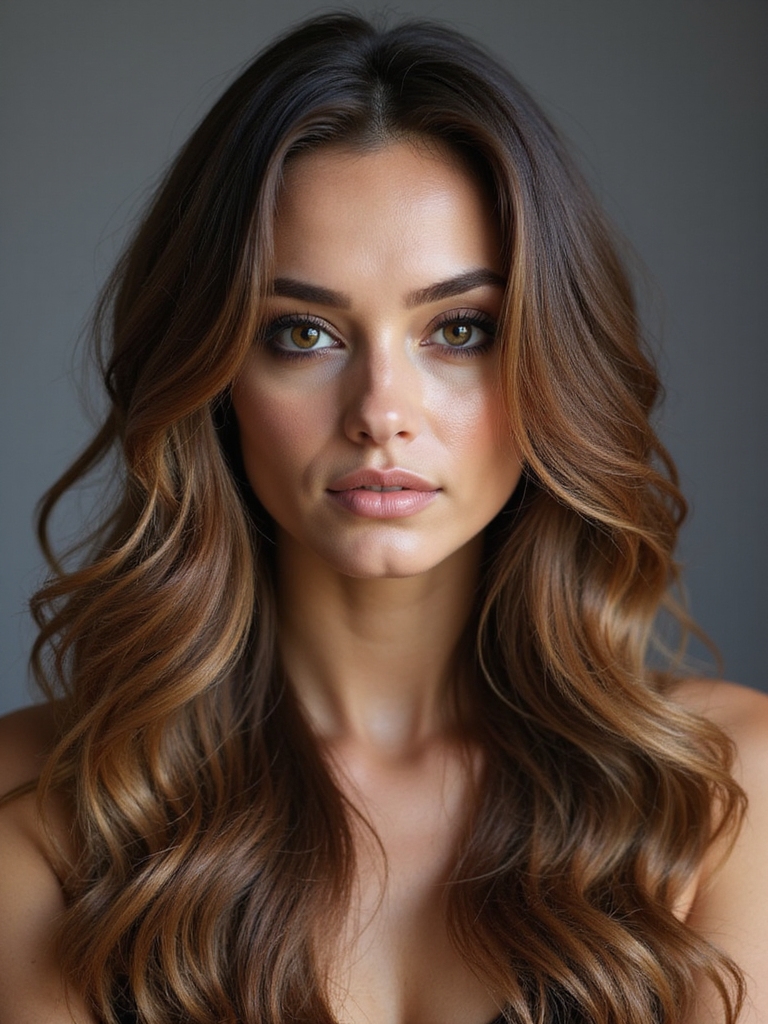
If you’ve got natural waves, curls, or coils, layering can be your secret weapon for bringing out what you’ve already got.
Here’s why I’m obsessed:
- Removes weight that flattens texture
- Creates movement and bounce
- Defines individual curl patterns
- Reduces frizz naturally
- Gives you effortless volume
Your hair’s got personality—layers just help it shine through!
The Shag Haircut: A Modern Take on Layers
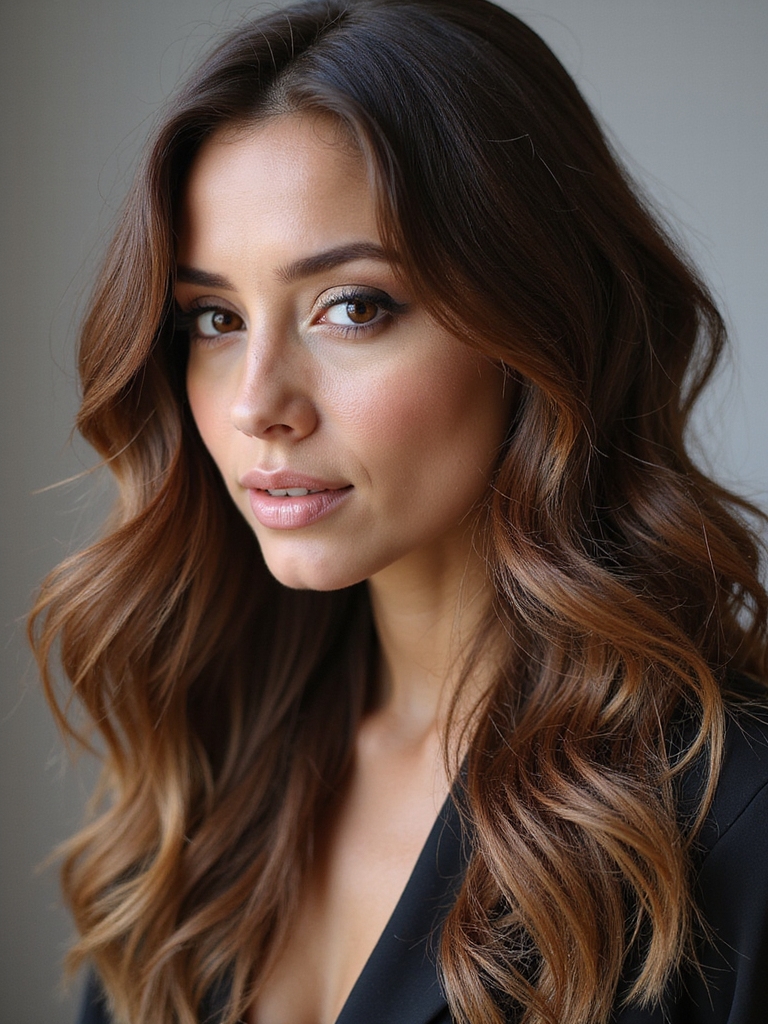
Shag haircuts have made a major comeback, and honestly, they’re the perfect evolution of layering for anyone craving that effortless, textured vibe.
I’m talking choppy layers that work with your natural movement, not against it. They’re undeniably versatile—you can style them sleek or messy, depending on your mood. Plus, they’re low-maintenance and flattering on nearly everyone.
Feathered Layers for Effortless Movement
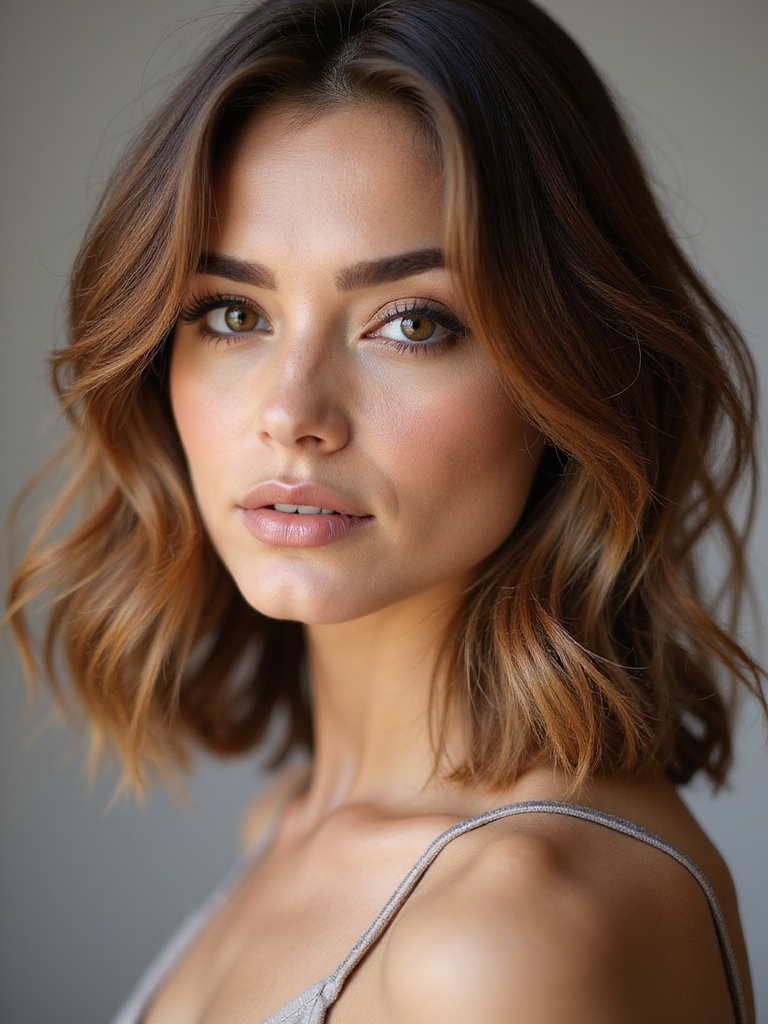
Feathered layers are my go-to recommendation when you’re after that soft, flowing movement that doesn’t scream “I just got layers.”
Unlike choppy shags, feathered cuts blend seamlessly into your hair with longer, tapered pieces that frame your face and cascade down your lengths.
- Creates natural volume without bulk
- Works beautifully on all hair types
- Requires minimal styling effort daily
- Adds dimension to flat hair
- Maintains length while enhancing movement
Blunt Layers for Bold Definition
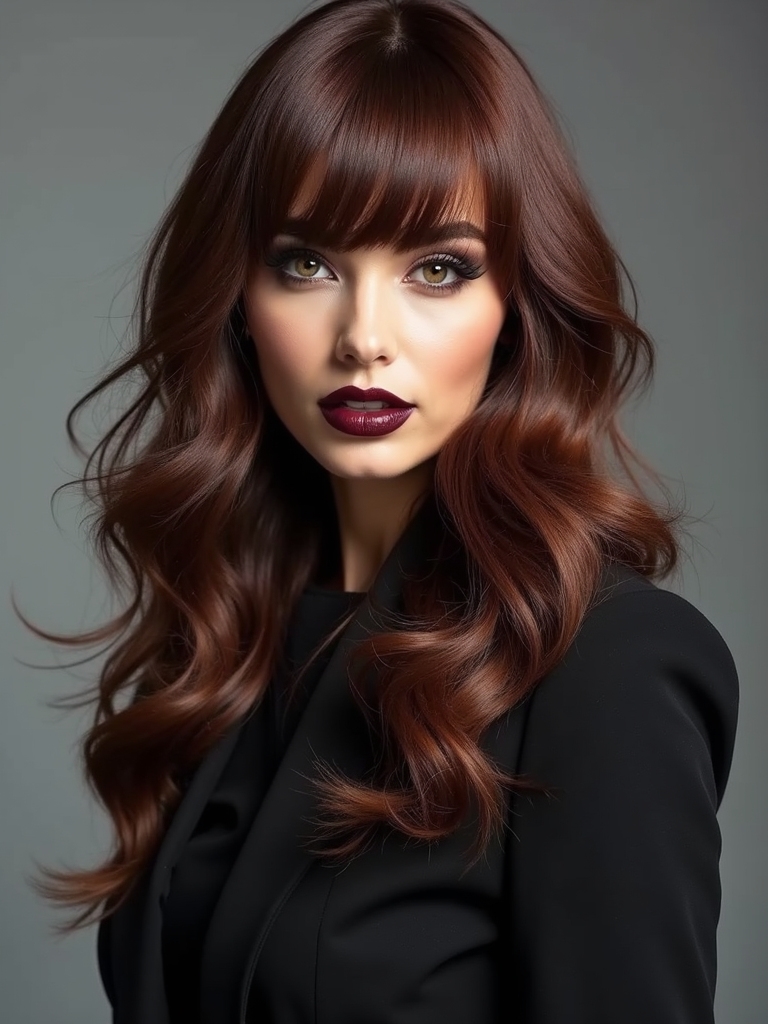
If you’re ready to make a statement with your long hair, I’ve got to tell you—blunt layers are where bold definition lives.
You’ll get that sharp contrast between sections that creates real drama and catches the light in ways feathered cuts simply can’t match.
What I love most is how texture meets those structured angles, giving you movement that’s intentional and undeniably striking.
Sharp Contrast Creates Drama
When you’re ready to make a serious statement with your long hair, blunt layers deliver exactly that—clean, geometric lines that catch the light and demand attention.
- Creates striking visual impact
- Defines texture dramatically
- Enhances movement and flow
- Works with any hair type
- Requires regular maintenance for sharpness
I’ve found that this approach transforms ordinary hair into something truly unforgettable.
You’ll love the confidence boost it brings.
Texture Meets Structured Angles
How do you take blunt layers from striking to absolutely transformative? You pair them with intentional texture.
I’ve found that when you combine sharp, geometric lines with movement through layering, you’re creating something truly dynamic. The structured angles give definition while the texture softens everything just enough. It’s that perfect balance—bold yet wearable, modern yet effortless.
Maintaining Your Layered Haircut Between Appointments
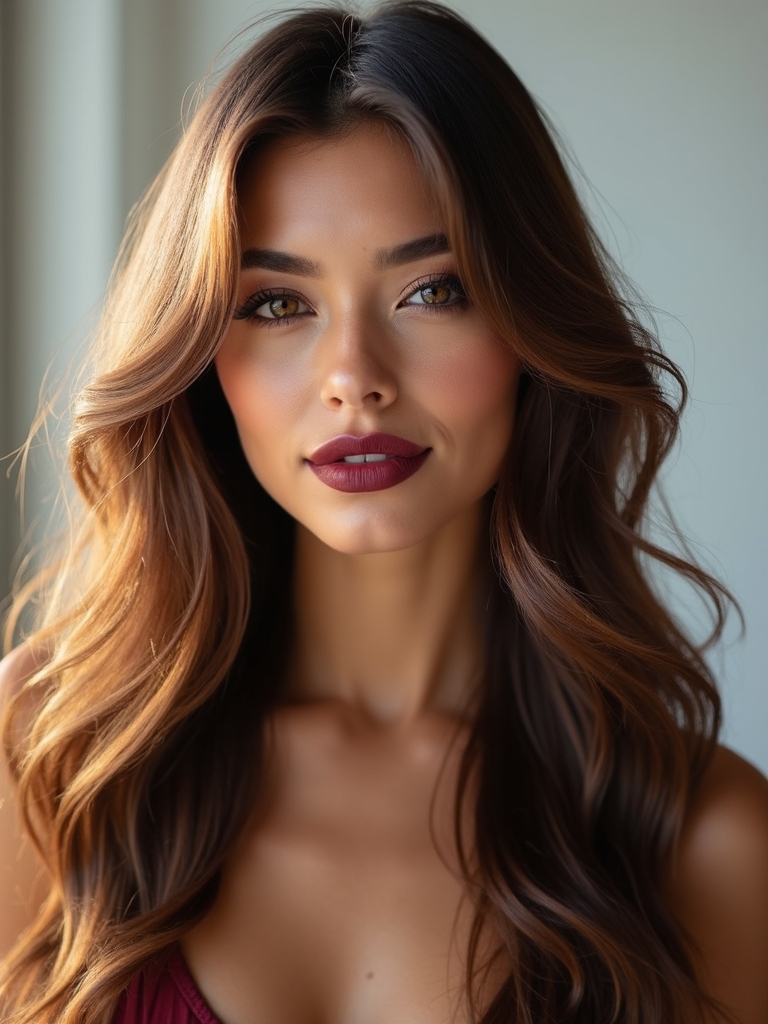
Getting a layered haircut is just the beginning—you’ll want to keep those gorgeous layers looking fresh and voluminous between salon visits. Here’s what I recommend:
- Invest in a quality layering shears for subtle trims
- Use volumizing products to enhance dimension
- Dry your hair with a diffuser
- Schedule trims every 6-8 weeks
- Sleep on silk pillowcases to prevent frizz
These habits’ll maintain your cut’s shape beautifully.
Styling Tips for Maximum Dimension
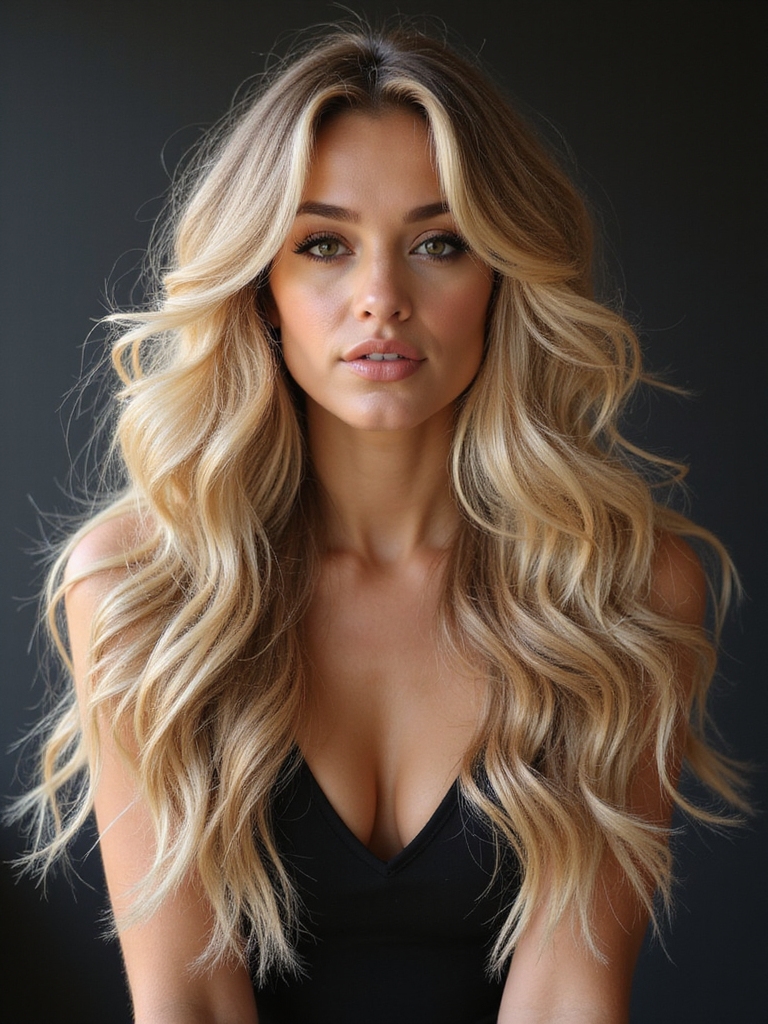
Now that you’ve got your maintenance routine down, it’s time to access the real magic of those layers through styling. I’m talking about blow-drying with a round brush to create volume, using texturizing sprays for grip, and curling individual sections.
You’ll notice how layers catch light differently, creating movement that flat hair simply can’t achieve. That’s where the dimension truly shines.
Communicating Your Vision to Your Stylist
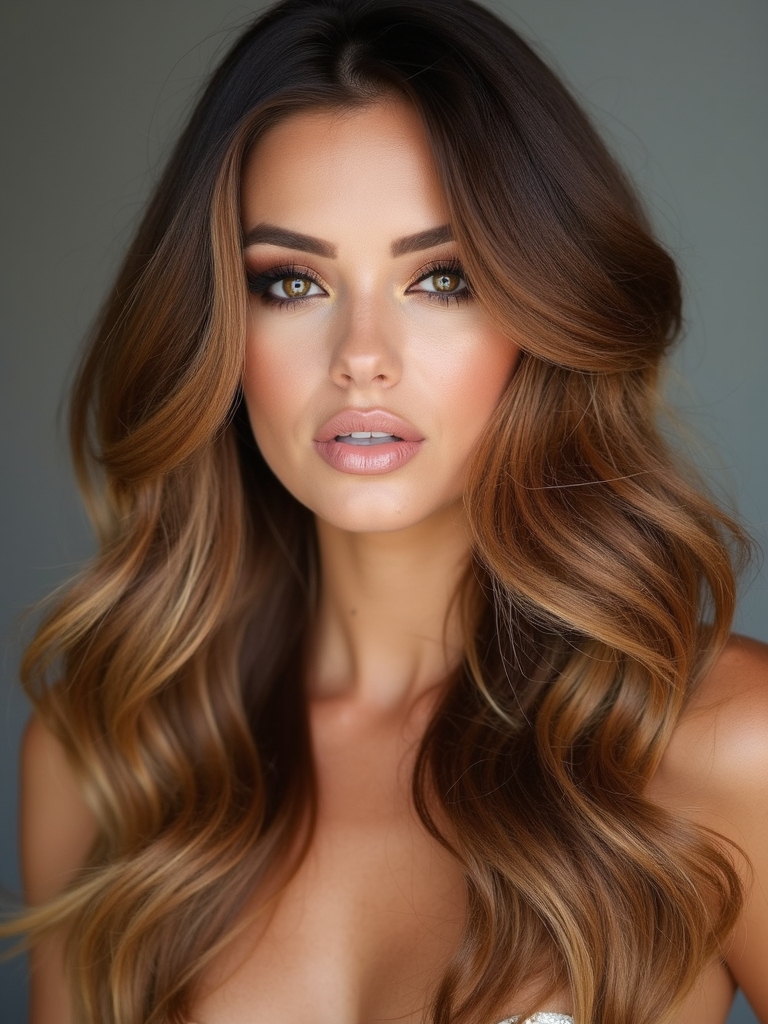
I can’t stress enough how vital it’s to get on the same page with your stylist before the scissors come out.
You’ll want to bring reference photos that showcase the exact layered style you’re craving, describe your hair texture honestly so they understand what they’re working with, and chat about how much time you’re willing to spend on maintenance once you leave the salon.
Getting these details straight from the start means you’ll walk out with layers that actually match what you’ve been imagining.
Bringing Reference Photos
One of the best ways to bridge the gap between what’s in your head and what your stylist can actually create is bringing reference photos to your appointment.
I’ve found that pictures really help! Here’s what I look for:
- Angles showing the cut’s movement
- Close-ups of layer placement
- Styling examples that inspire me
- Photos matching my hair texture
- Images from reliable sources
You’ll see how this transforms your consultation.
Describing Your Hair Texture
While those reference photos are invaluable, they’re only half the conversation—your stylist also needs to understand your hair’s unique characteristics.
Tell them if you’ve got thick, fine, wavy, or curly hair. Mention how your strands behave when wet versus dry. Does your hair hold a style well? These details help your stylist customize layers that’ll actually work with your texture, not against it.
Discussing Maintenance Expectations
Before you commit to those gorgeous layers, let’s talk about the reality of keeping them looking fresh.
Layered hair requires consistent upkeep:
- Trims every 6-8 weeks to maintain shape
- Regular conditioning prevents frizz and breakage
- Styling products are essential for definition
- Blow-drying time increases considerably
- Professional touch-ups keep layers sharp
I won’t sugarcoat it—layers demand dedication, but the payoff’s absolutely worth it.
Layered Haircuts for Different Hair Types
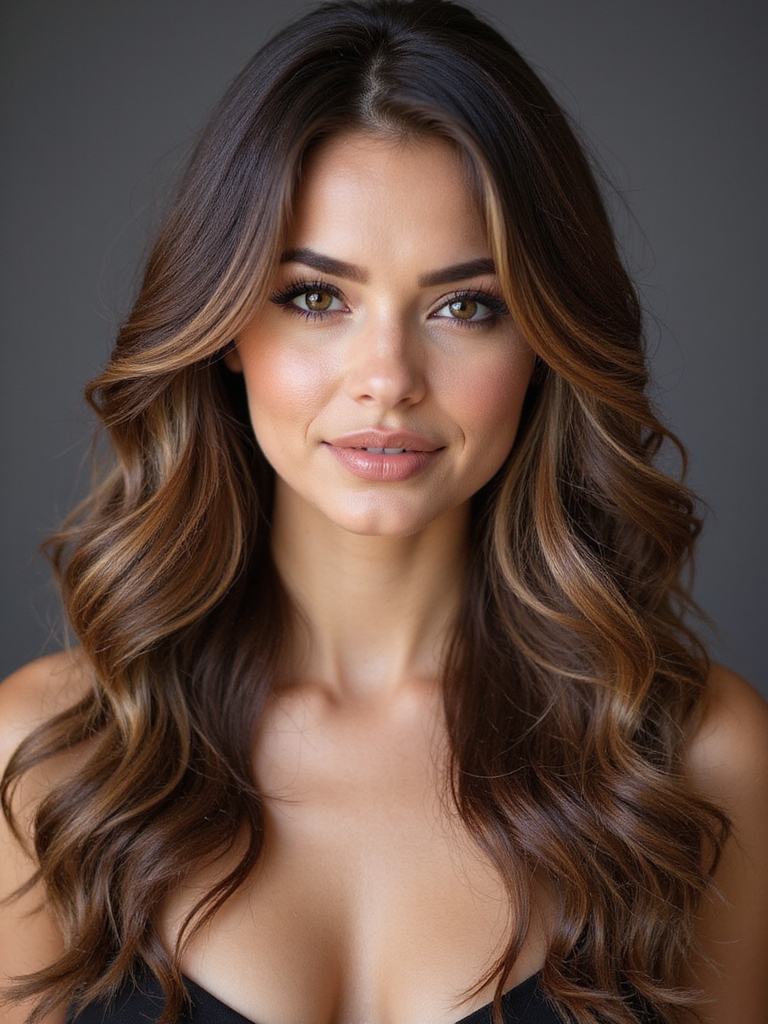
Because everyone’s hair is unique, the way layers work for you depends entirely on your hair’s natural texture and thickness.
Fine hair benefits from shorter layers that prevent weightiness, while thick hair rocks longer, chunkier layers for movement.
Curly hair needs strategic placement to avoid frizz and maintain shape.
I’ve found that discussing your specific texture with your stylist guarantees you’ll get results that actually work for you.
Adapting Layers to Your Face Shape
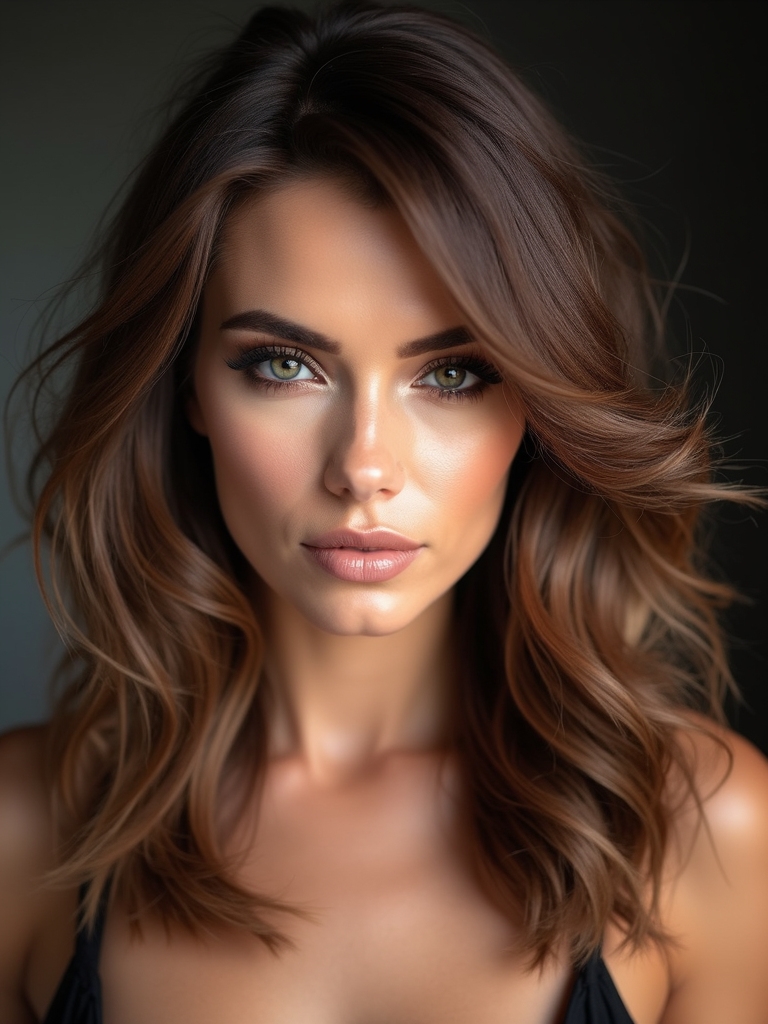
Just as your hair texture shapes how layers fall, your face shape determines which layering styles’ll actually flatter you.
Here’s what works best:
- Round faces: longer layers create length
- Square faces: soft, face-framing pieces soften angles
- Oval faces: any layering style works beautifully
- Heart-shaped faces: layers around your jawline balance proportions
- Oblong faces: shorter, textured layers add width
You’ve got this! If you’re working with fine, thick, or somewhere-in-between hair, layered cuts genuinely transform how your locks move and flow. The right layers don’t just add dimension—they give you that effortless, lived-in look you’re after.
So go ahead, chat with your stylist about what’ll work best for your face shape and hair type, then rock those layers with confidence!